In stock › Guides › Vintage Bass Drum Pedal & Hi-Hat Stand Mechanics Guide: Speed King, Ghost & Swiv-O-Matic
Vintage Bass Drum Pedal & Hi-Hat Stand Mechanics Guide: Speed King, Ghost & Swiv-O-Matic
Reference guide · counts measured from photographed specimens · updated 2026-11-15
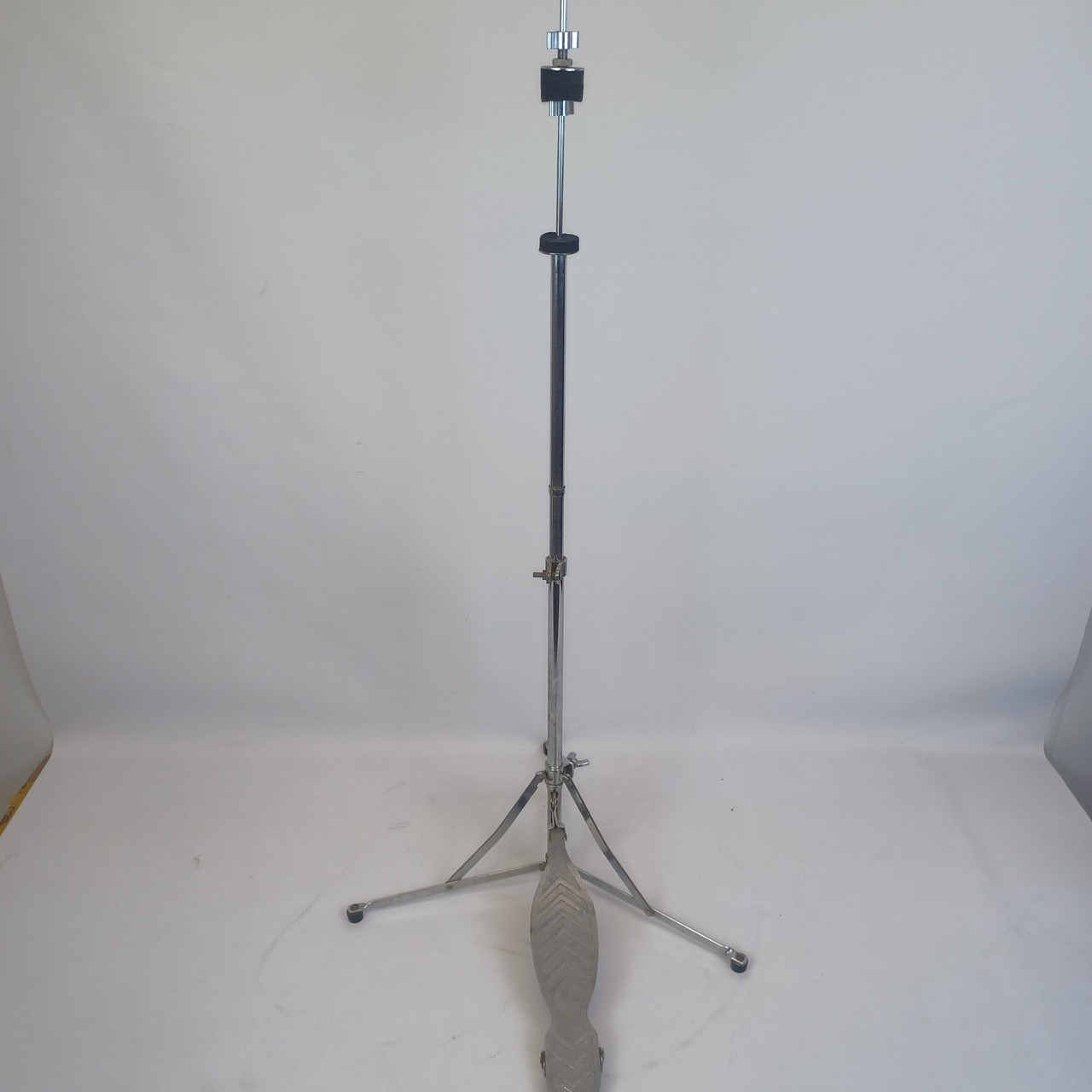
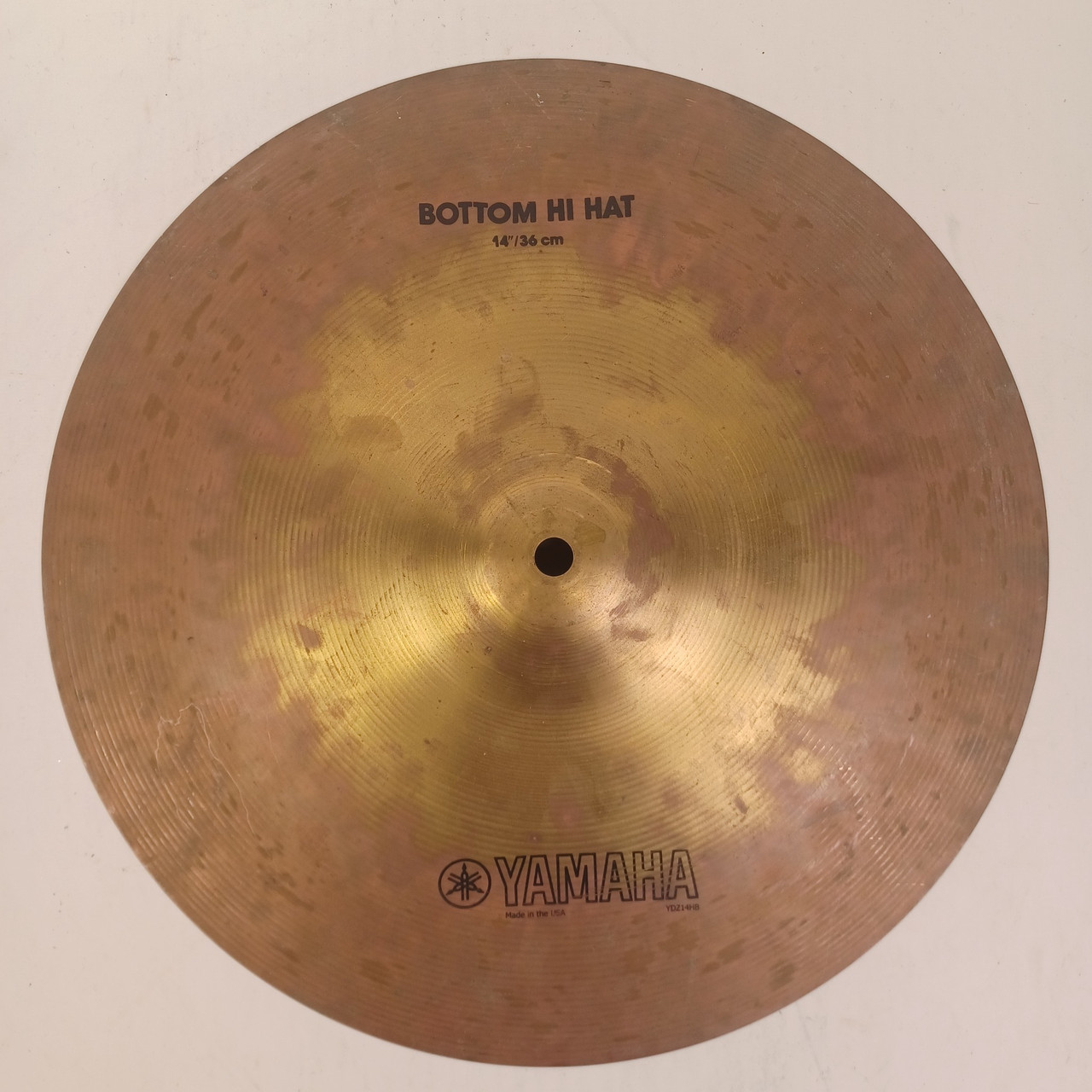
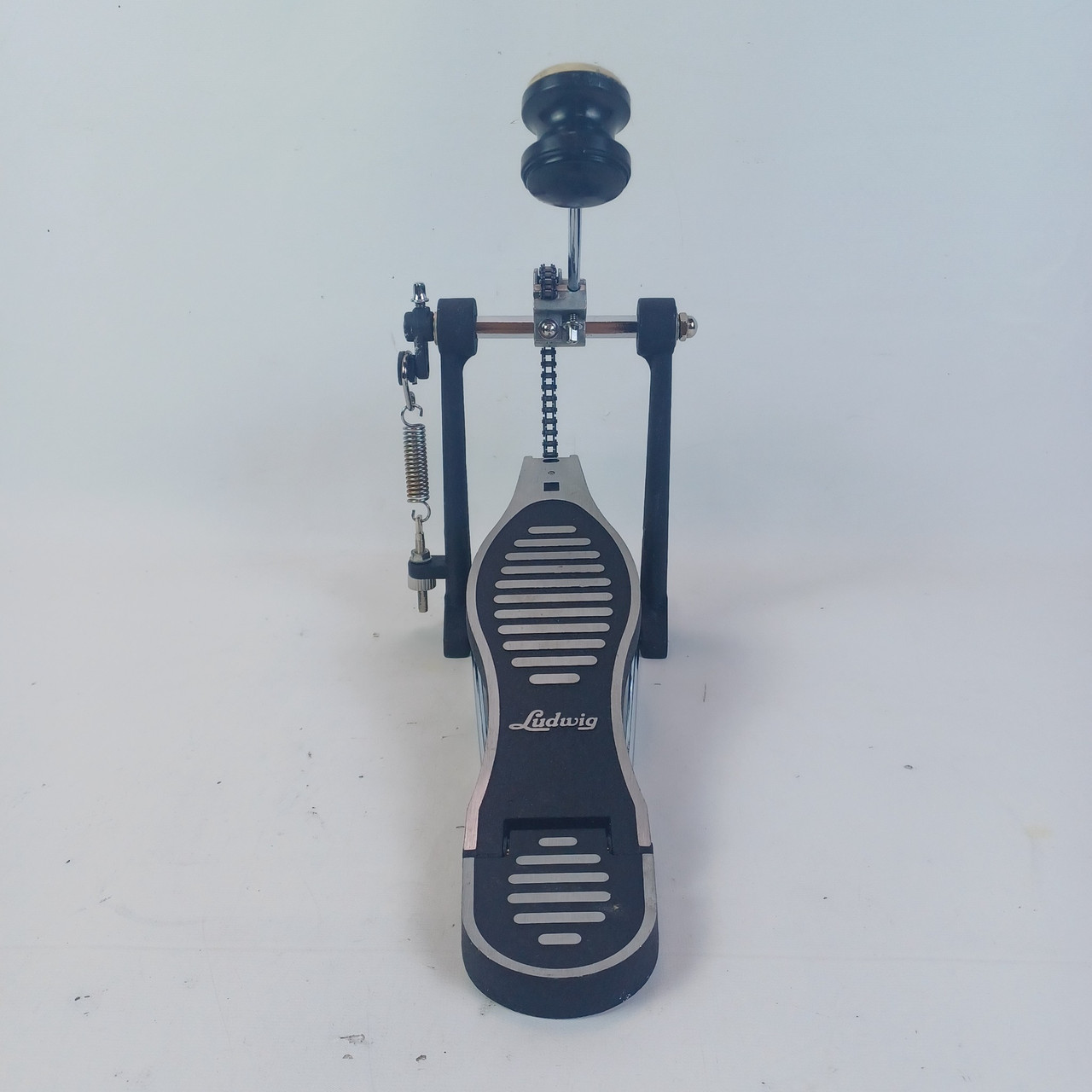
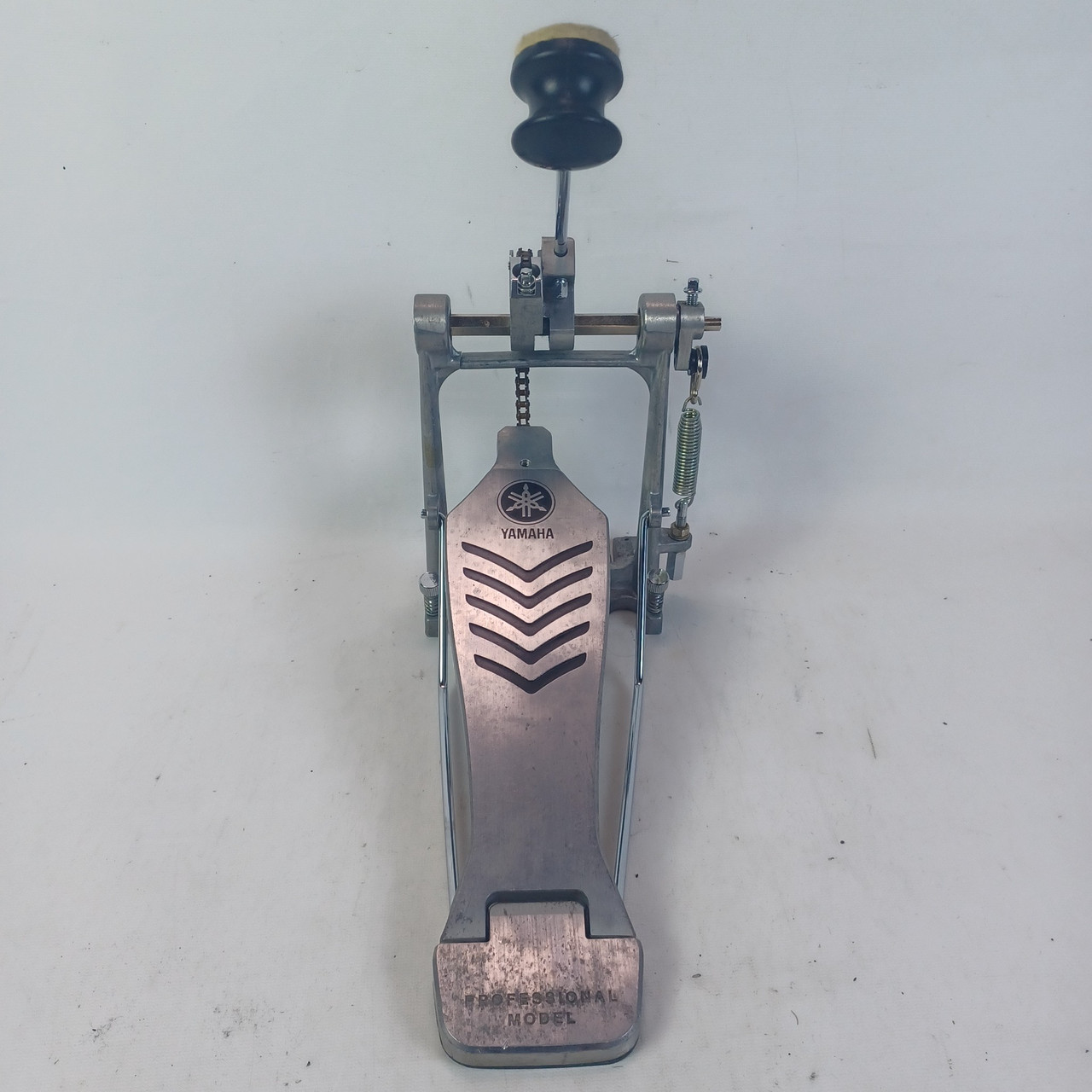
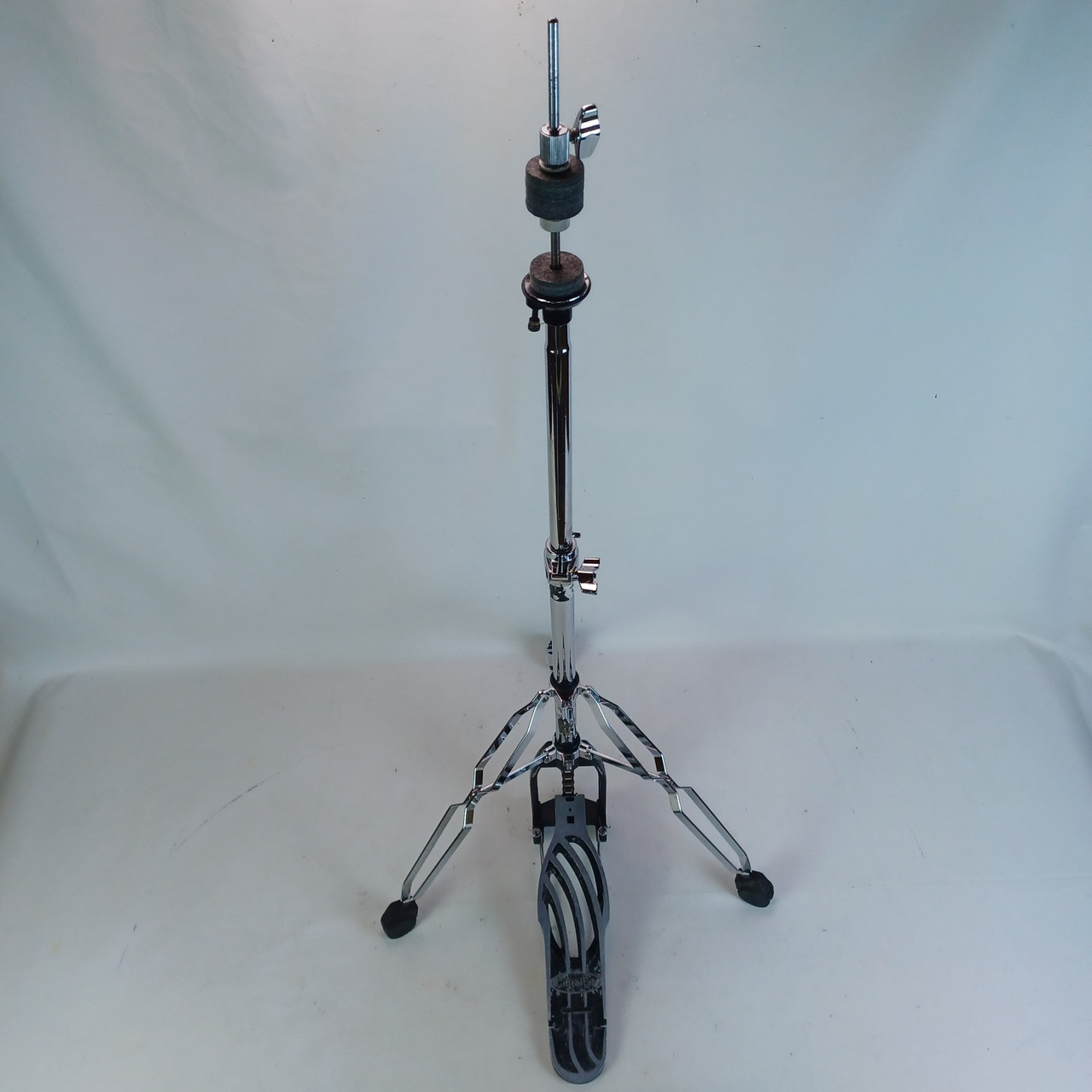
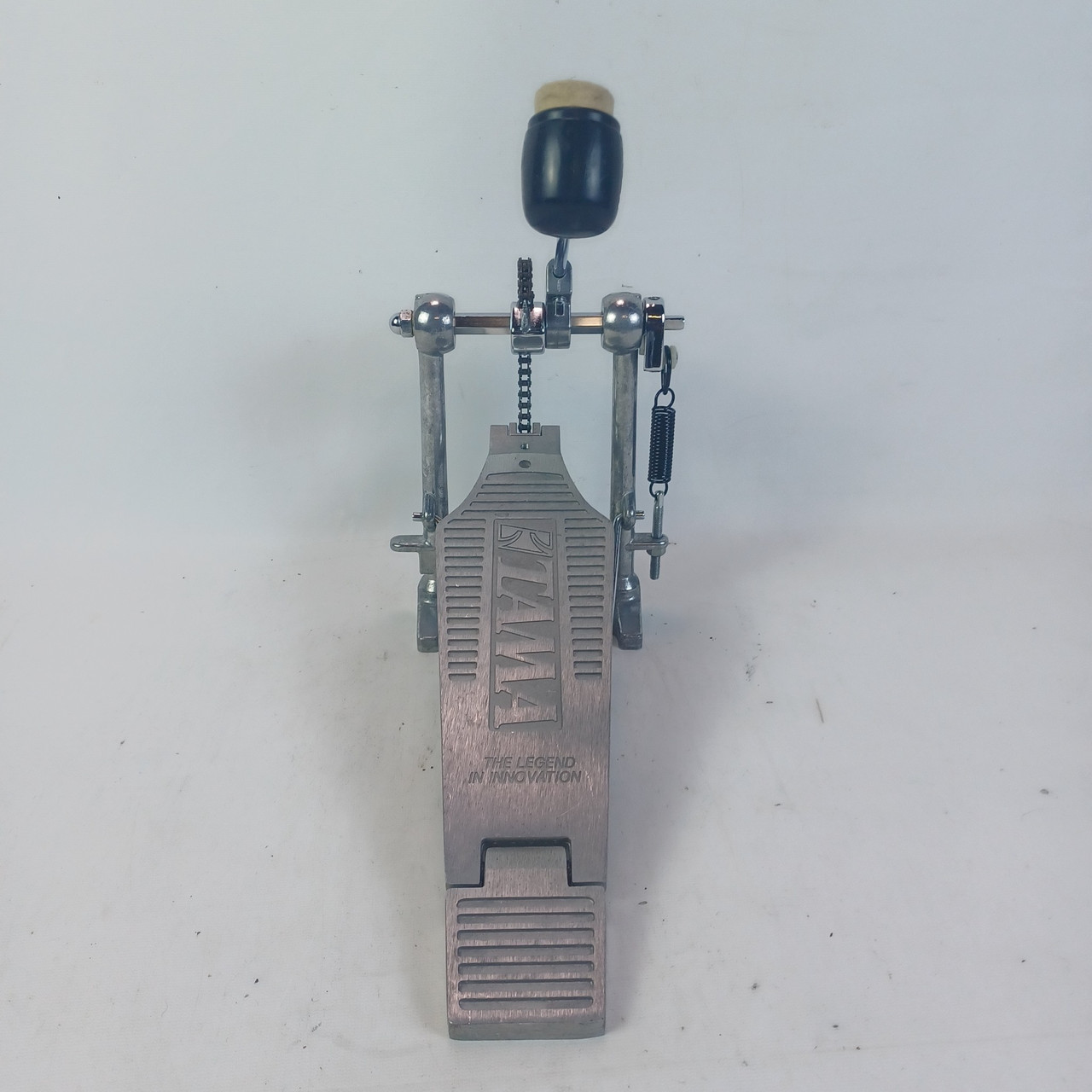
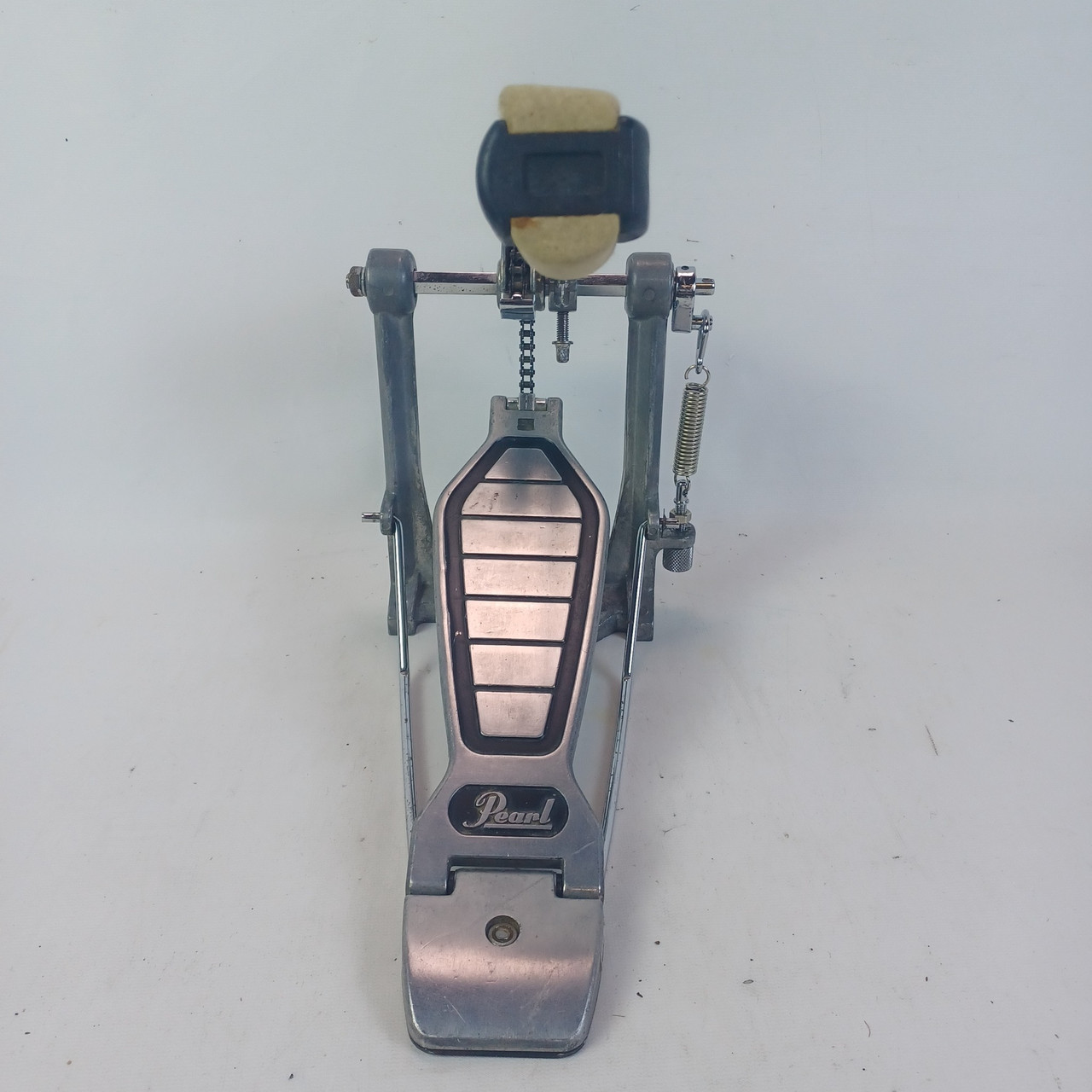
Pedals are bought by mechanism, not by shine: the Ludwig Speed King's twin-spring direct drive with its free-moving heel plate, the Ghost's floating action, chain versus strap drives with even spring tension and working adjustment, beaters with intact faces. Twin and double pedals need both sides plus the linkage — a master side without its slave shaft is a parts price, never a player price. Hi-hat stands live or die by the pull rod and clutch: stripped clutch threads and bent rods are the commonest failures.
Fitment is hoop and cymbal first: hoop-clamp pedals must match your wooden-hoop profile, hi-hat clutches must thread the pull rod cleanly, and Swiv-o-matic hex rods need intact ball joints with receivers that grip. Vintage metric and imperial posts do not interchange — measure post diameter and receiver bore before ordering. Check springs for even tension, hinges for side play, and base castings for cracks at the stress points.
The tables below are measured from our own pedal and hi-hat pool — bass-drum pedals, hi-hat stands and clutches counted apart, live and from the archive, with Speed King, Ghost and Swiv-o-matic specimens named where the listing states them — so you can see exactly what the evidence rests on.
Pedal/hi-hat specimens by era
Speed King and Ghost drives into the Swiv-o-matic hex-rod years.
| Era | In stock | Archived |
|---|---|---|
| Pre-1950 | 2 in stock | 65 archived |
| 1950s | 3 in stock | 57 archived |
| 1960s | 16 in stock | 176 archived |
| 1970s | 9 in stock | 58 archived |
| 1980s | 6 in stock | 17 archived |
| 1990s+ | 3 in stock | 3 archived |
| Undated | 13 in stock | 134 archived |
Subtypes in stock now
| Subtype | In stock | Archived |
|---|---|---|
| Bass-drum pedals | 32 in stock | 190 archived |
| Hi-hat stands | 29 in stock | 342 archived |
| Hi-hat clutches | 3 in stock | 50 archived |
Hole spacings in this guide's specimens
Measured center-to-center on pedals and hi-hat stands. Match your shell drilling exactly; same-brand hardware from different eras drills differently.
| Spacing | Availability | Shop |
|---|
Thread pitches in this guide's specimens
12-24 fits most vintage American drums; 10-24 fits older and single-tension designs. A 12-24 rod starts in a 10-24 lug then seizes — verify before forcing.
| Pitch (TPI) | Availability | Shop |
|---|---|---|
| 1/4-28 | 1 in stock | Shop in stock |
Dual-verified reference (this guide's pool)
Rows whose every routed Size, Hole, and TPI field two independent worker legs judged correct — the same dual-verified pool behind the site-wide fitment master. Figures below are restricted to pedals and hi-hat stands members.
| Spacing | Dual-verified specimens | Shop |
|---|---|---|
| 19 5/8" | 1 dual-verified | Shop in stock |
| Pitch (TPI) | Dual-verified specimens | Shop |
|---|---|---|
| 1/4-28 | 1 dual-verified | Shop in stock |
Mechanism calls at a glance
| Part | Covers | Fit note |
|---|---|---|
| Bass-drum pedal | Speed King, Ghost, chain/strap | Hoop-clamp profile; both halves plus linkage on doubles |
| Hi-hat stand | Pull rod, tripod, Swiv hex | Straight rod; clutch threads cleanly; ball joints intact |
| Hi-hat clutch | Felt, lock nut | Threads must run free; compression felts seat flat |
Deep dives: musical-goods guide · spur fitment guide · interactive fitment lookup.
Matching pieces in stock now
In stock as of 2026-11-15. One-of-a-kind stock sells and the list below is a build-time snapshot — if a piece is gone, its page says so and the archive keeps its record.
In stock now
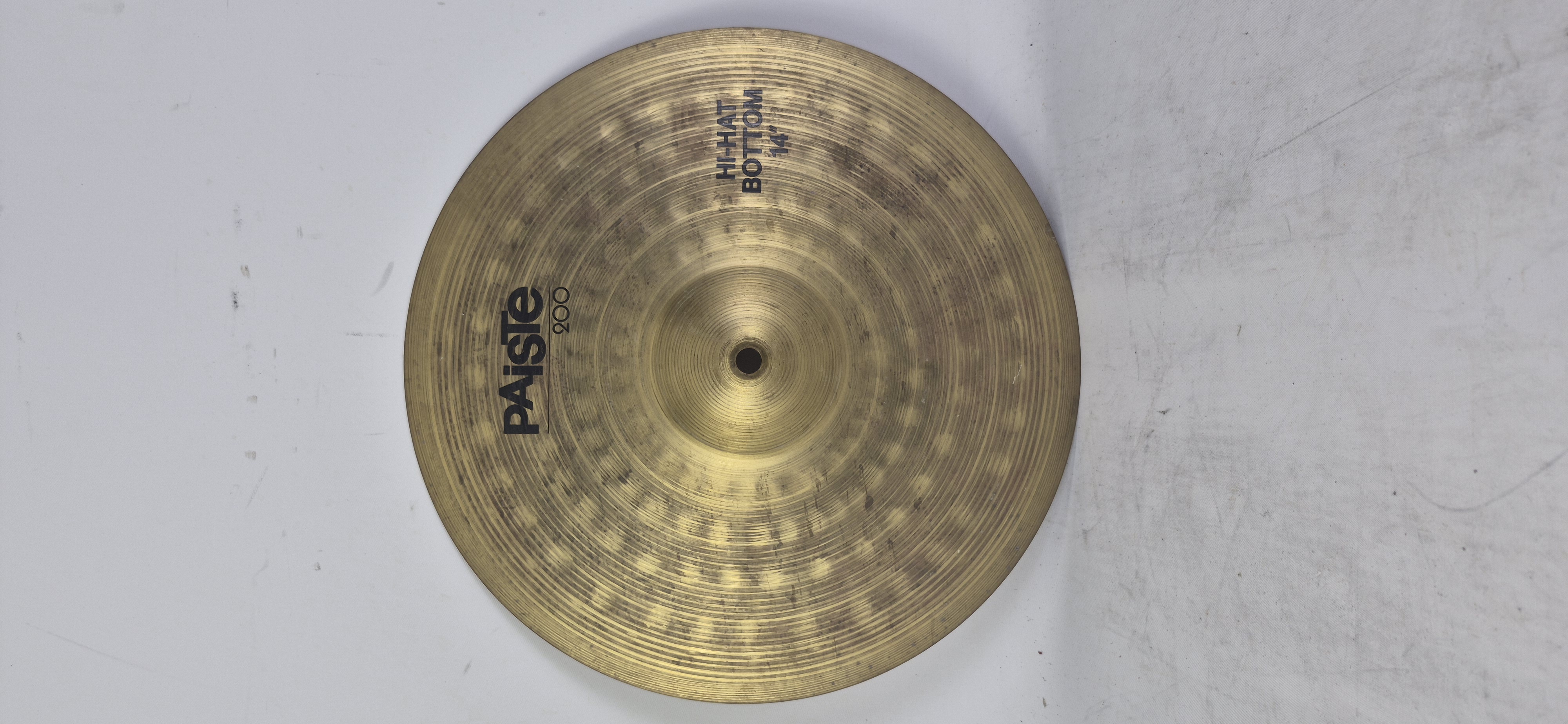
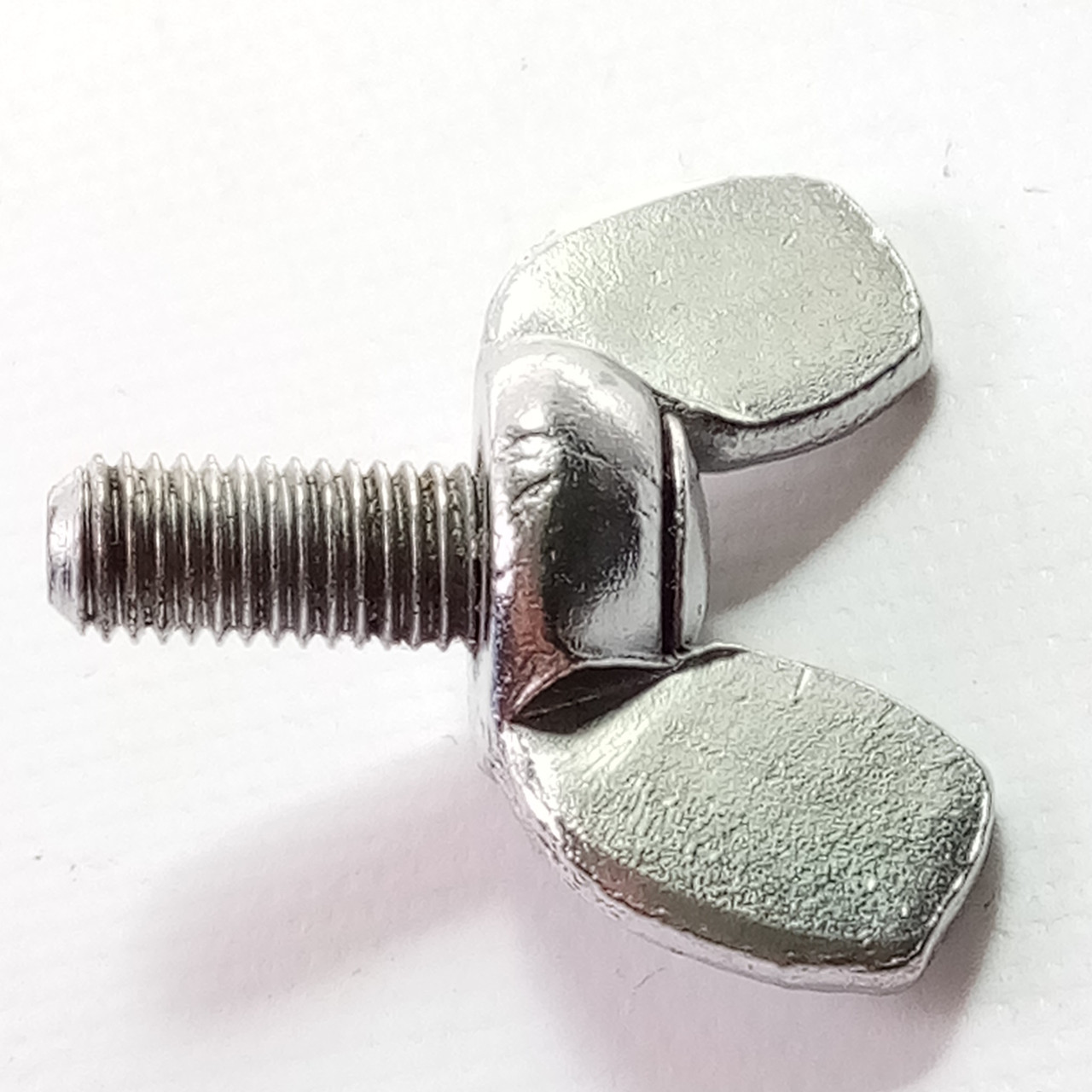
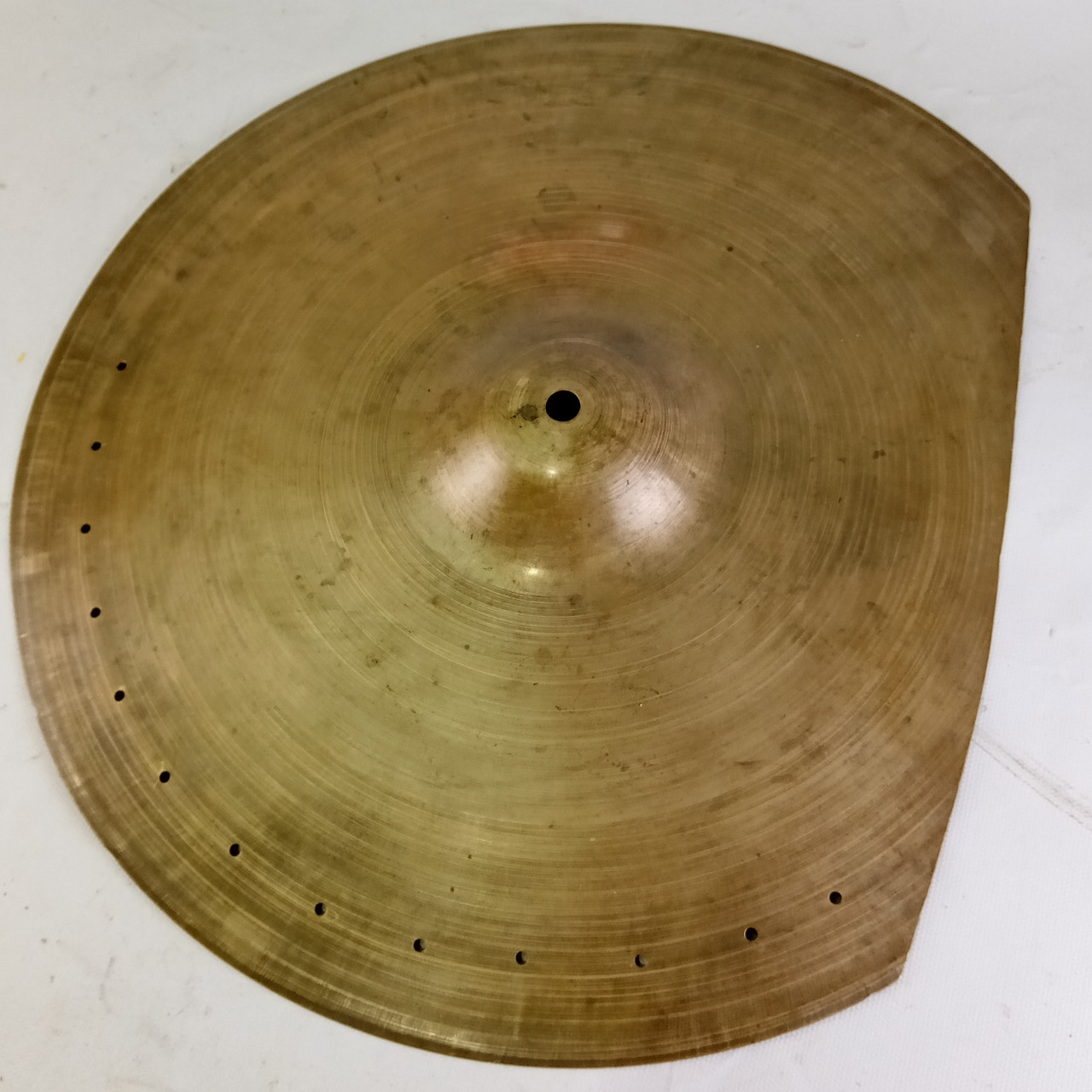
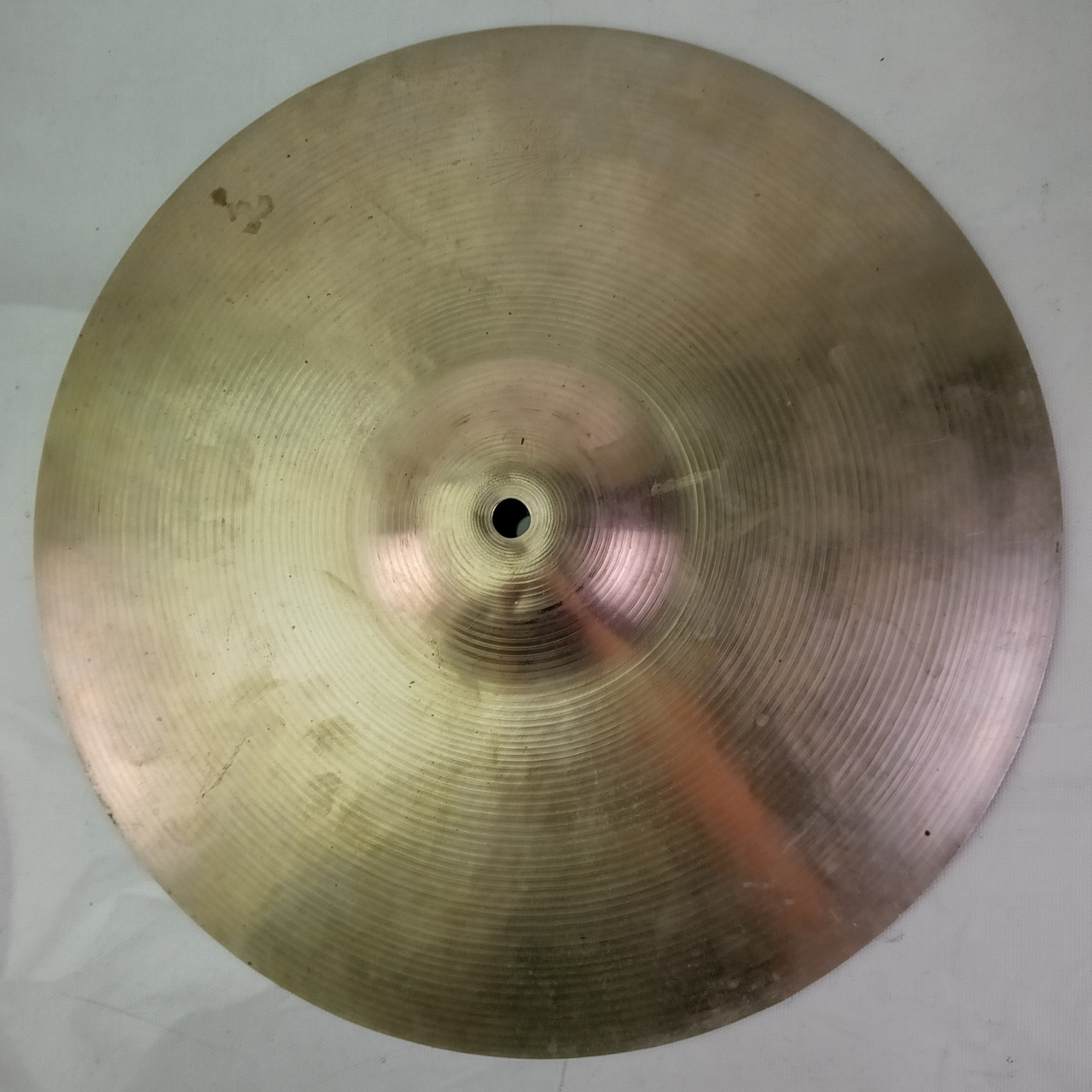
Frequently asked questions
Speed King or Ghost — which should I want?
For the direct-drive workhorse feel with rebuildable twin springs, the Speed King; for the floating Ghost action. Both need free-moving hinges, even spring tension and intact beaters — buy the mechanism's condition, not the badge.
Chain or strap drive — does it matter?
Both gig well when the drive moves freely with even tension; straps run quieter, chains take abuse. Worn or stretched drives slip underfoot — price a replacement drive into any pedal that surges or sticks.
Will this hi-hat stand hold my cymbals?
Only when the pull rod is straight, the clutch threads cleanly, and the tripod base holds without wobble. Swiv-o-matic hex rods need intact ball joints; flat-base single-braced stands suit rehearsal duty while double-braced bases take the road.
What kills a vintage pedal's value fastest?
Missing linkage halves on doubles first, then frozen hinges, cracked castings and stripped clutches. A complete pedal with honest wear outranks a shiny one with a dead hinge every time — collectors buy function, not shine.