In stock › Categories › Vintage Goods
Vintage Goods
Browse all 22 in the shop — opens pre-filtered.
Beyond drums and vinyl: the string instruments, amplifiers, keyboards, and trunk-case curiosities that pass through a vintage instrument shop. Violins and cellos, Fender guitars and Rhodes keyboards, tube and solid-state amps, and the occasional 19th-century steamer trunk.
Same rules as the drum shop: one of each, photographed from all sides, condition stated honestly, and sold pieces move to the archive. If you came for drums, start at the vintage-drums hub; if you collect across categories, this is your shelf.
Below: the shelf measured — instrument families and eras counted from every good in stock plus the archive — followed by how we grade and test instruments and how fragile and heavy pieces are packed to travel.
What the shelf holds: goods by the numbers
Measured across 22 pieces in stock plus 17 archived specimens — every cell below is counted from photographed listings, not from a catalog or a price guide. Cells read in stock / archived.
Instrument family x era
Families are the marketplace categories as listed; eras come from year tokens in titles. Undated means the title carries no year.
| Family | Pre-1950 | 1950s | 1960s | 1970s | 1980s | 1990s+ | Undated | Total |
|---|---|---|---|---|---|---|---|---|
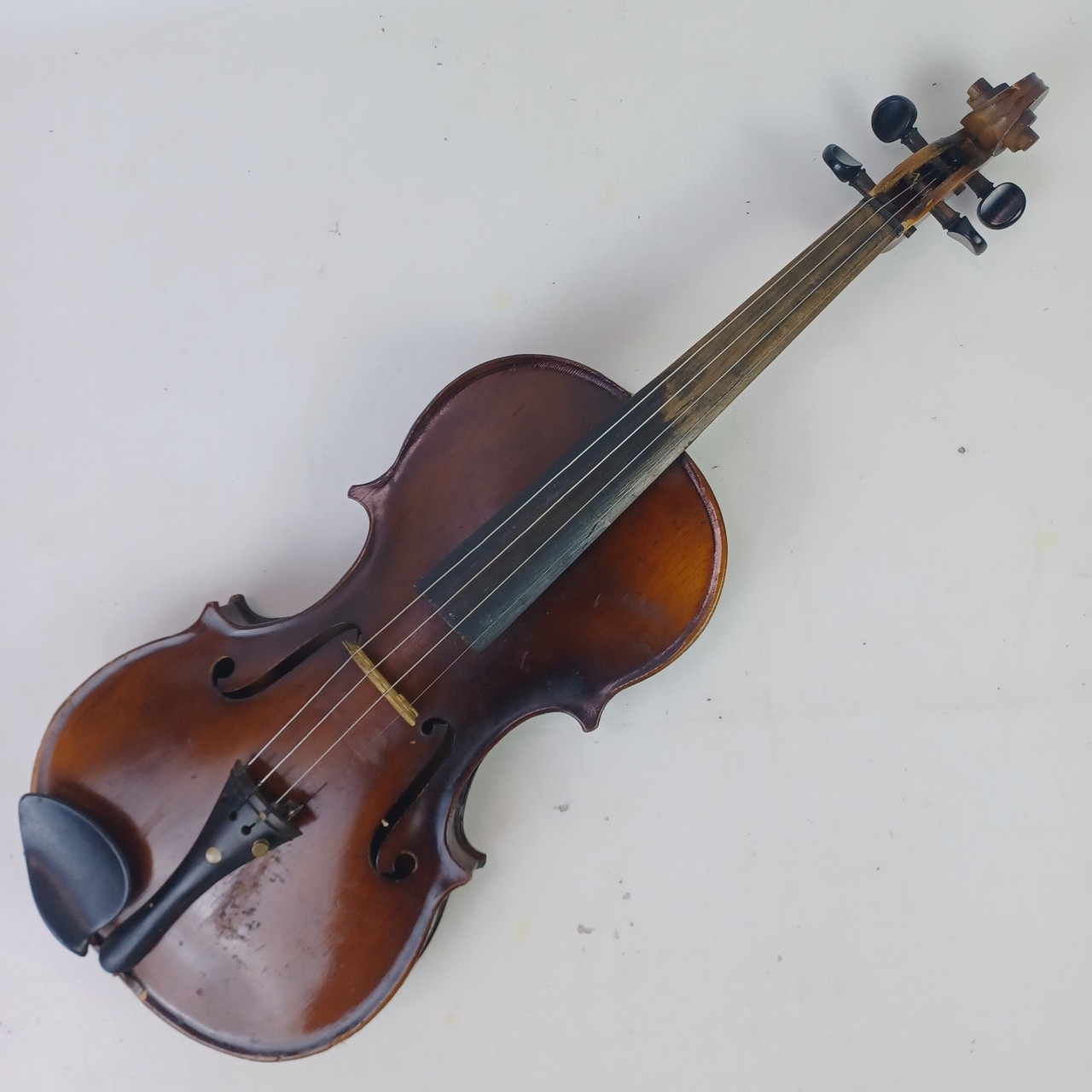
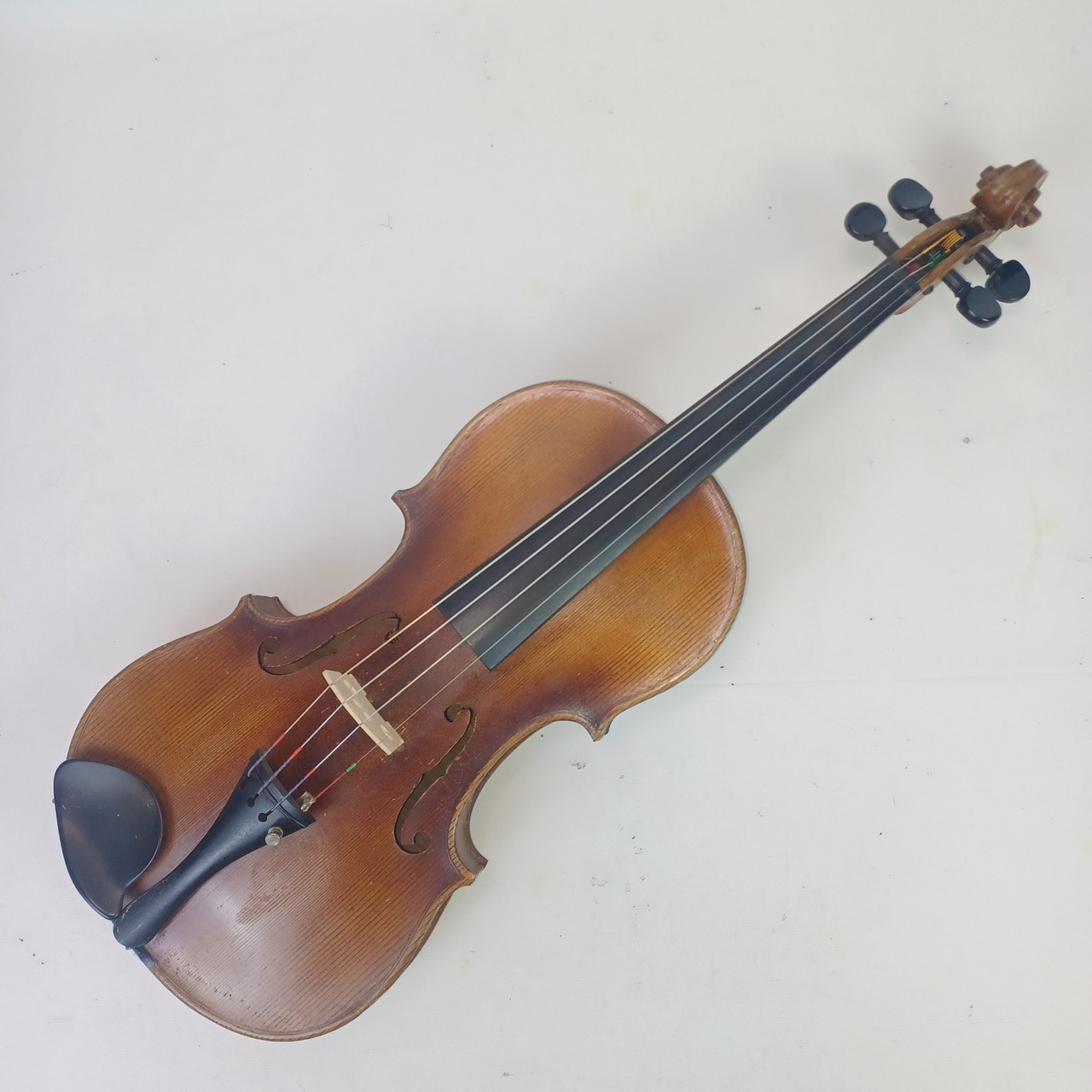
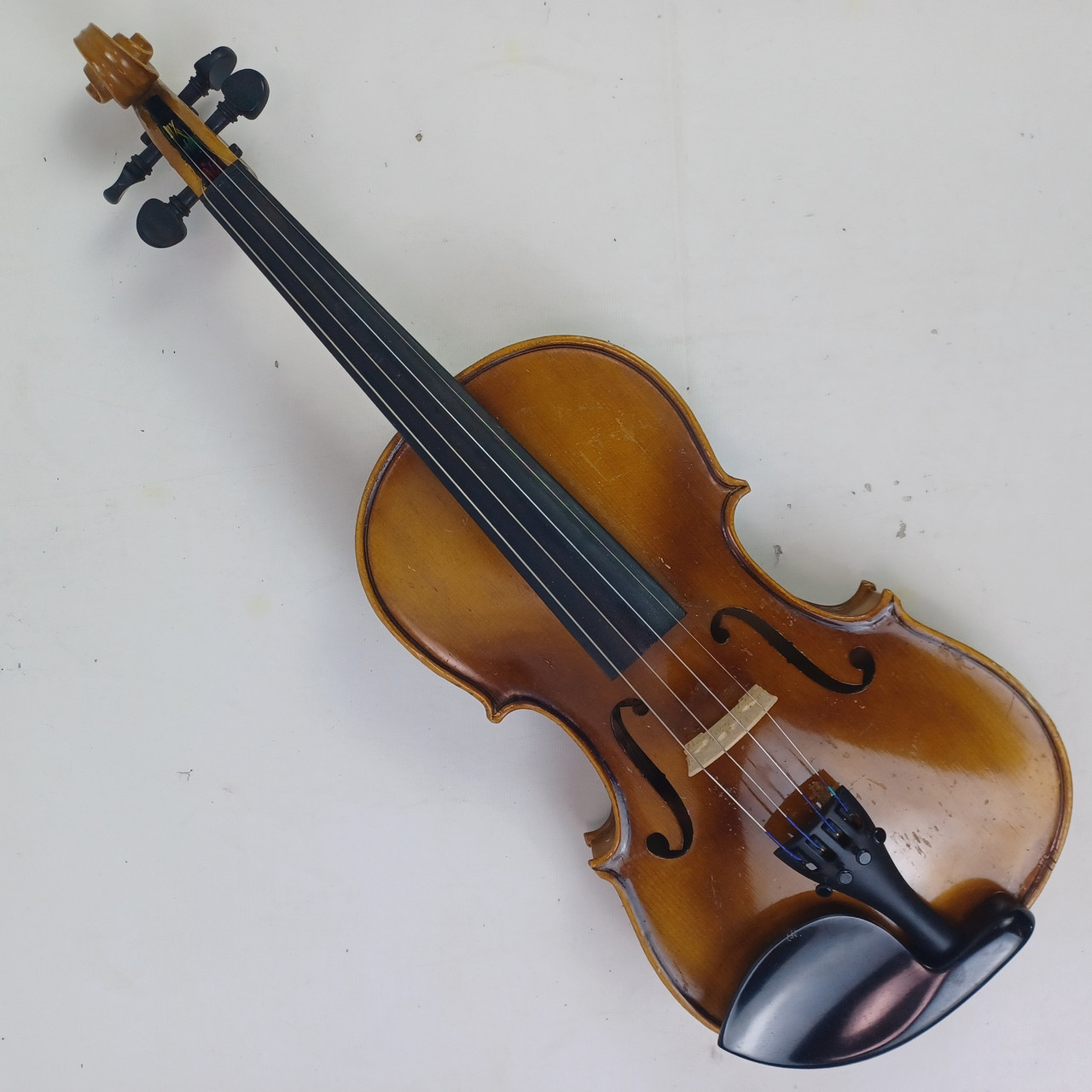
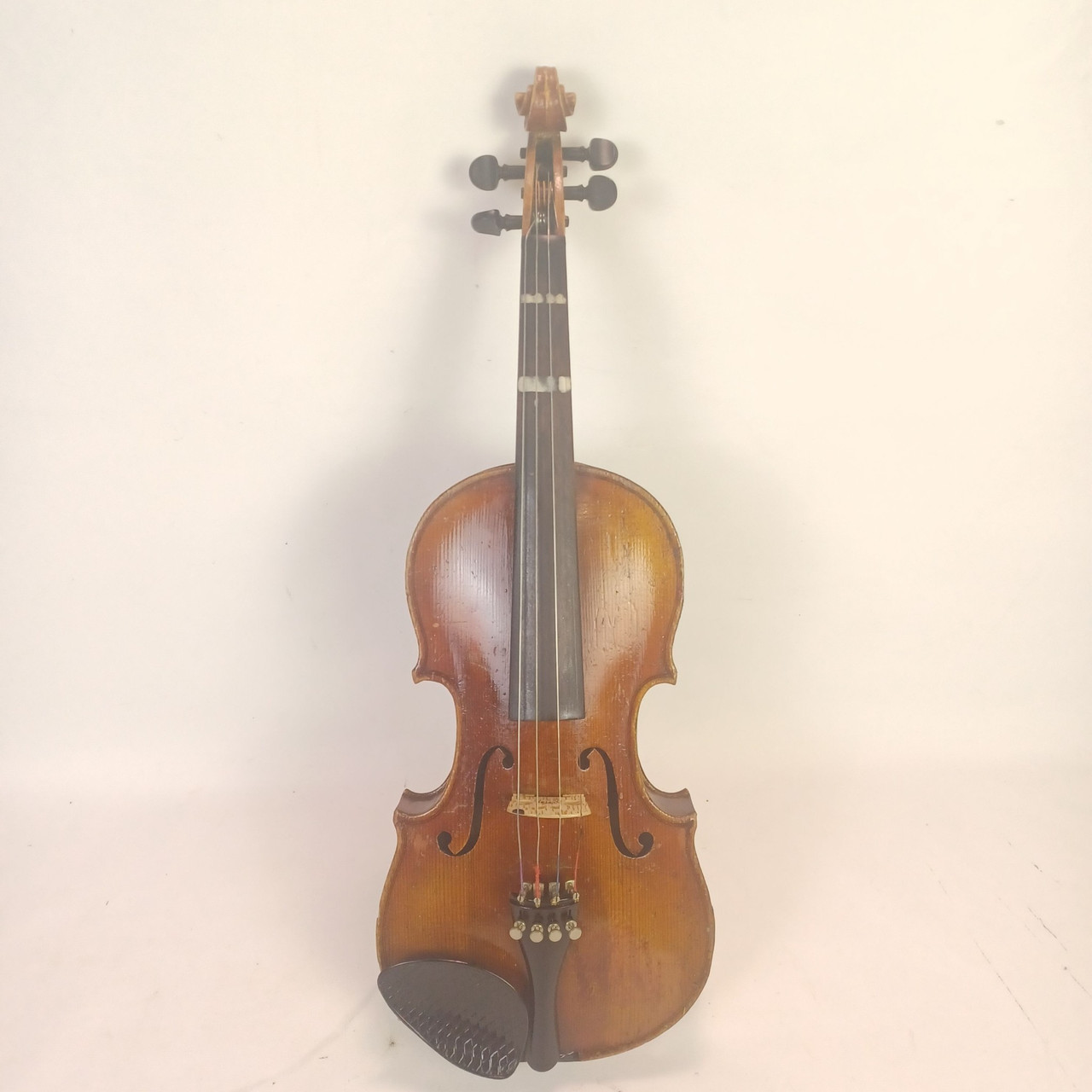
| Violins | 3 / 0 | 2 / 0 | 0 / 0 | 0 / 0 | 0 / 0 | 0 / 0 | 4 / 1 | 9 / 1 |
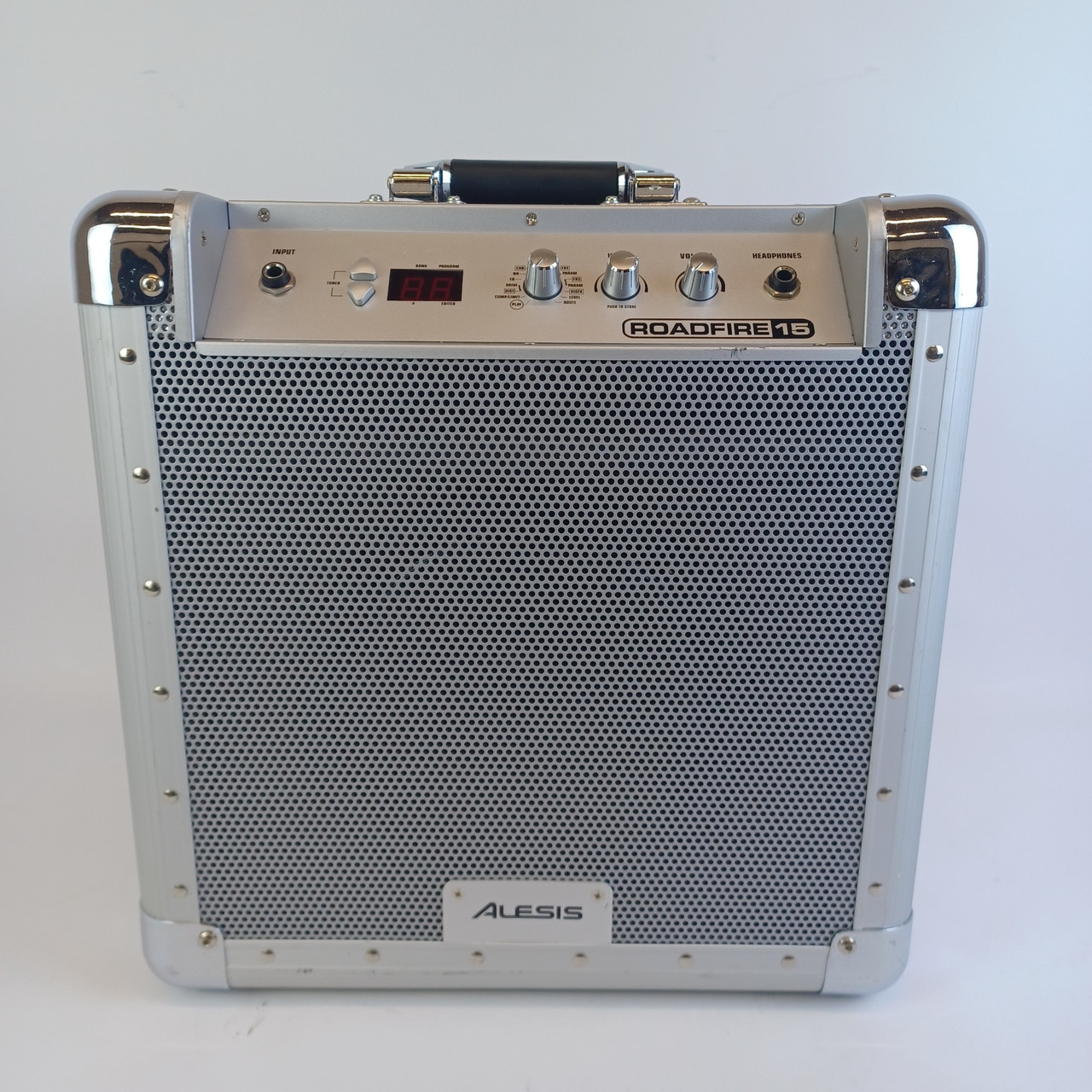
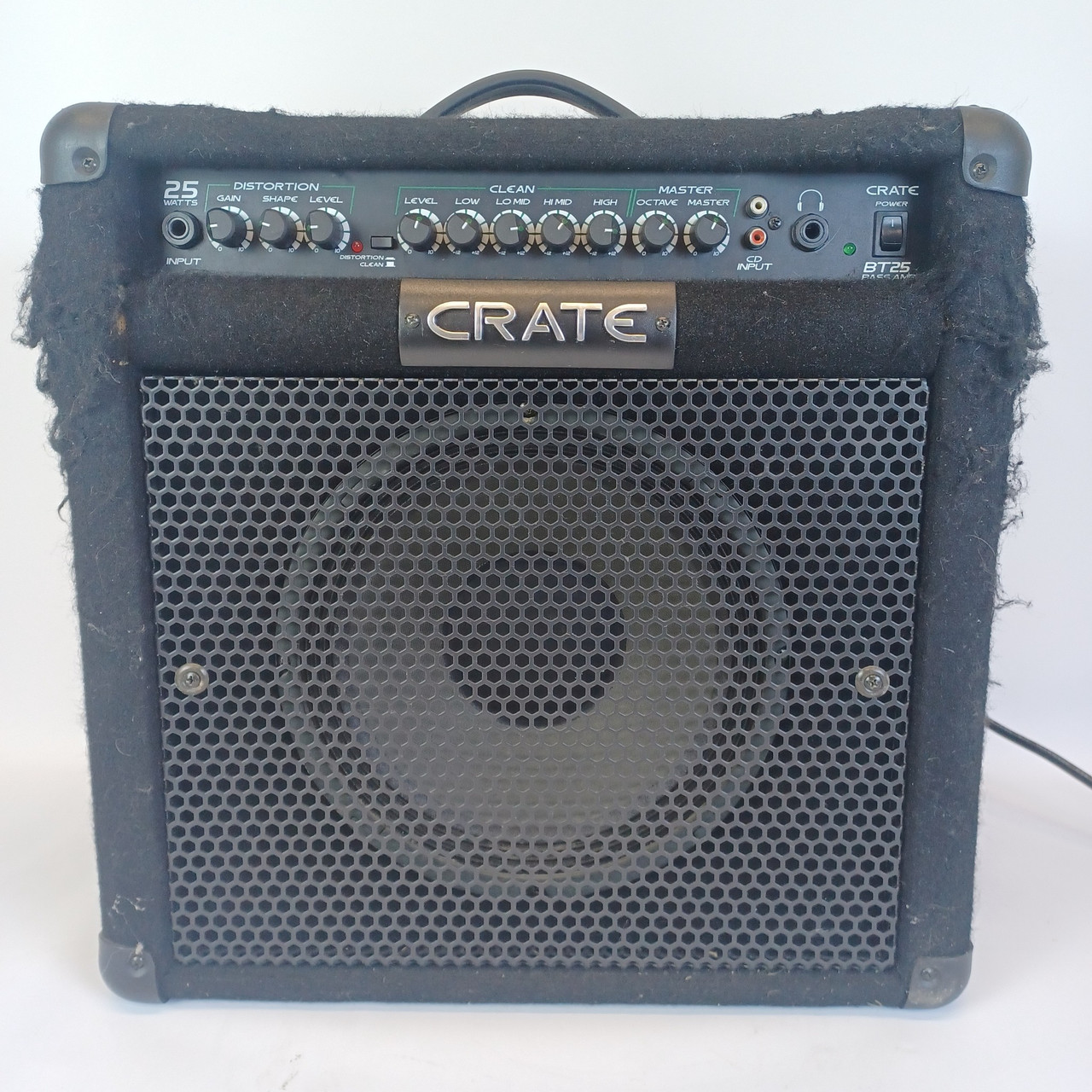
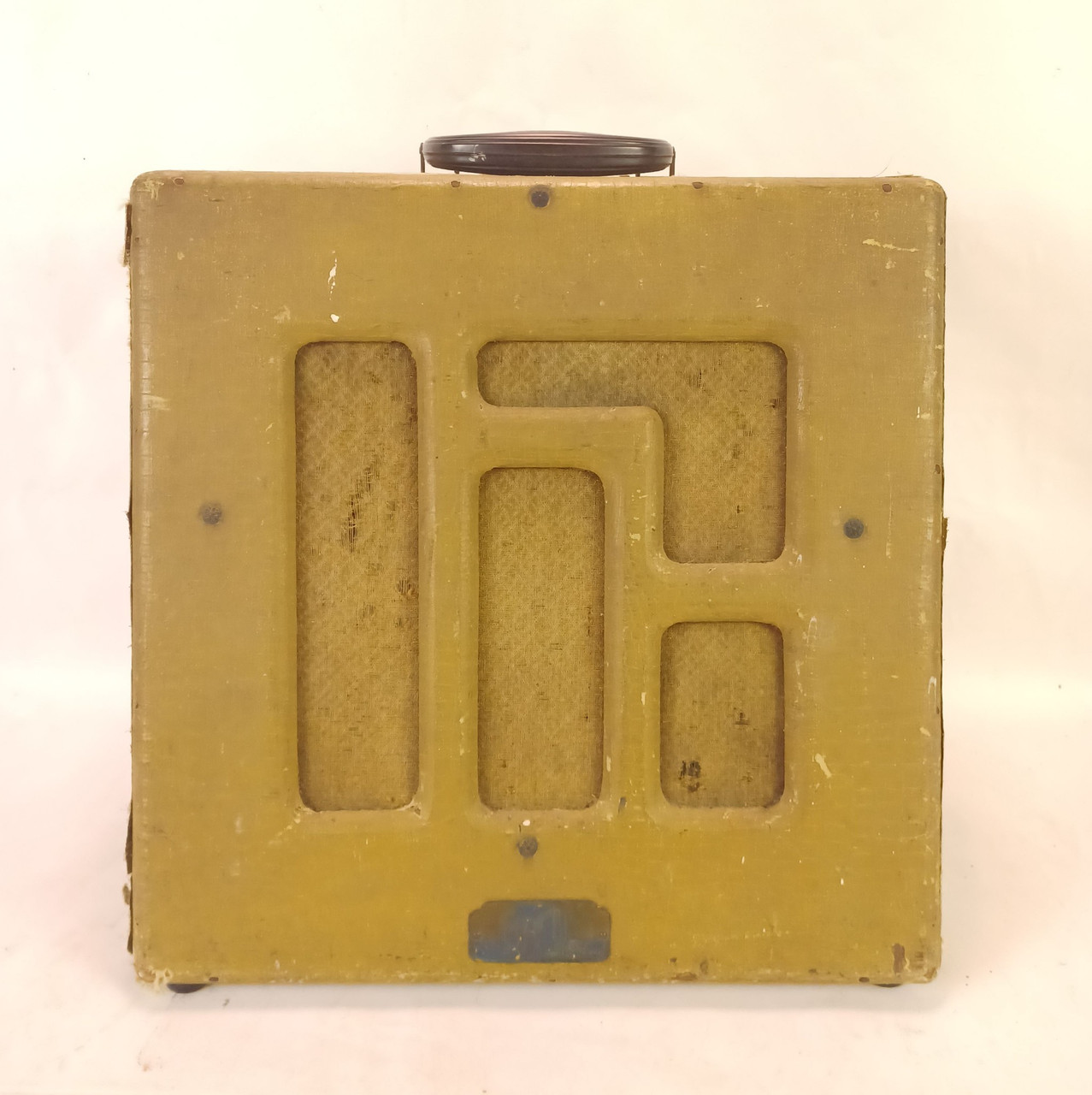
| Guitar Amplifiers | 1 / 0 | 0 / 0 | 0 / 1 | 0 / 0 | 0 / 0 | 0 / 0 | 2 / 7 | 3 / 8 |
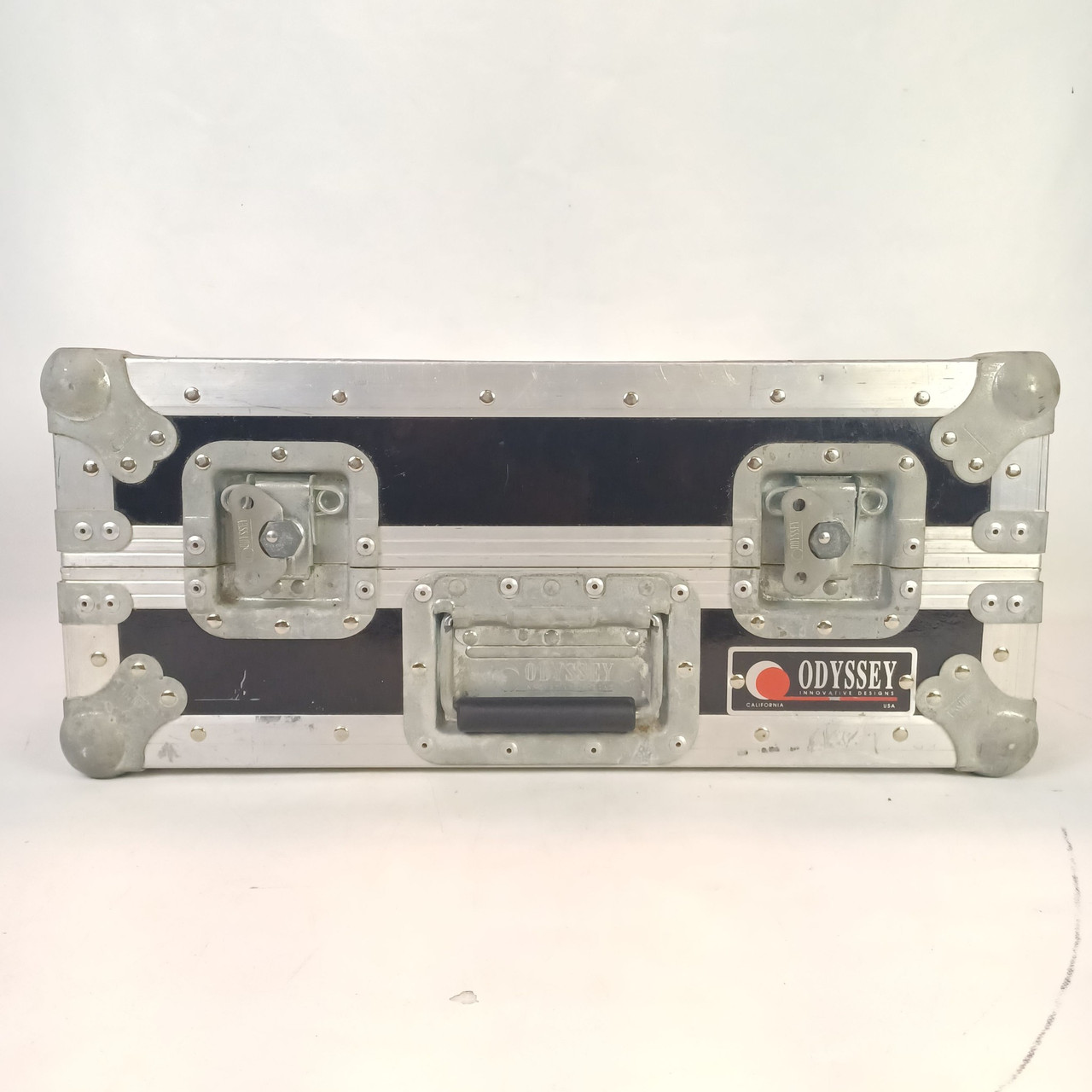
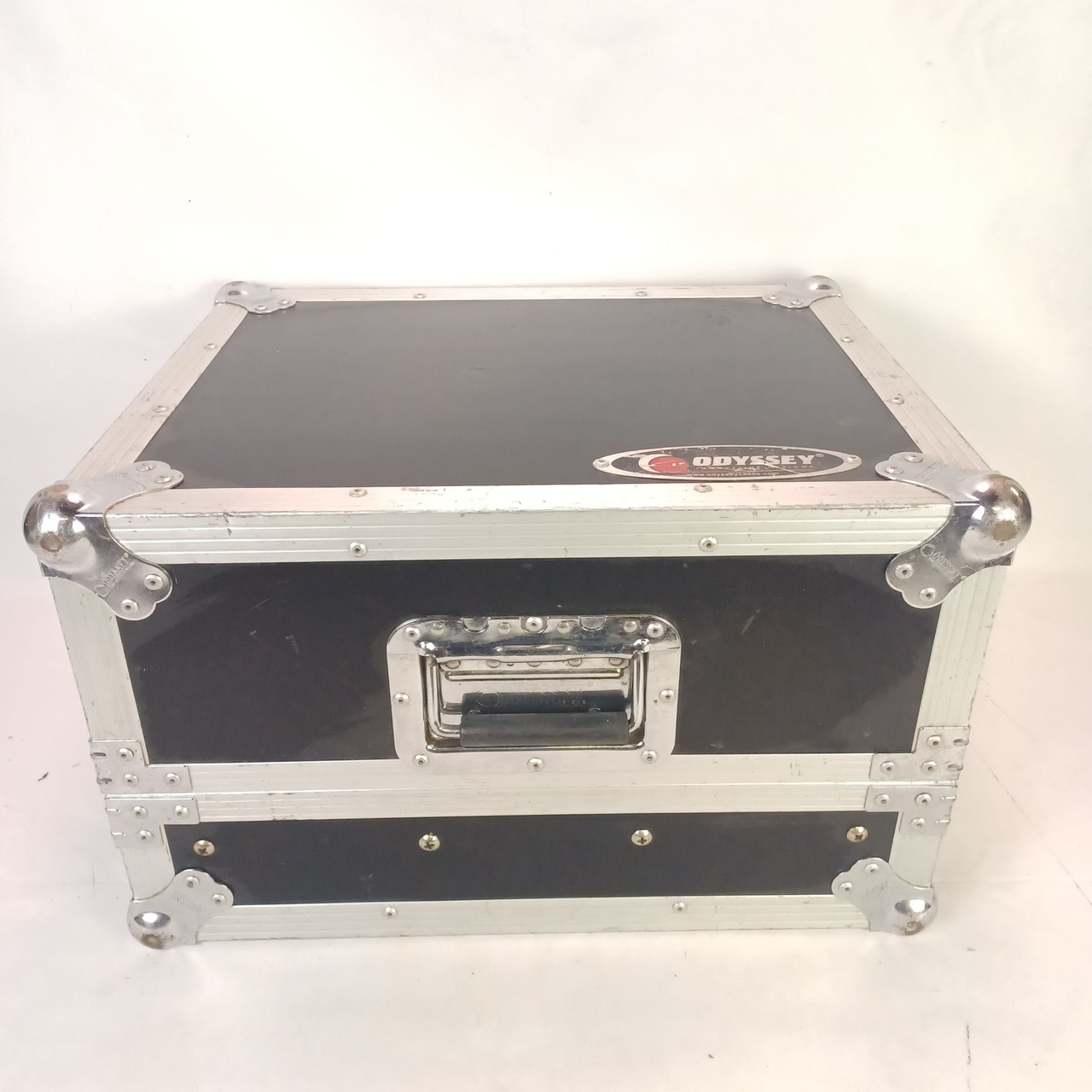
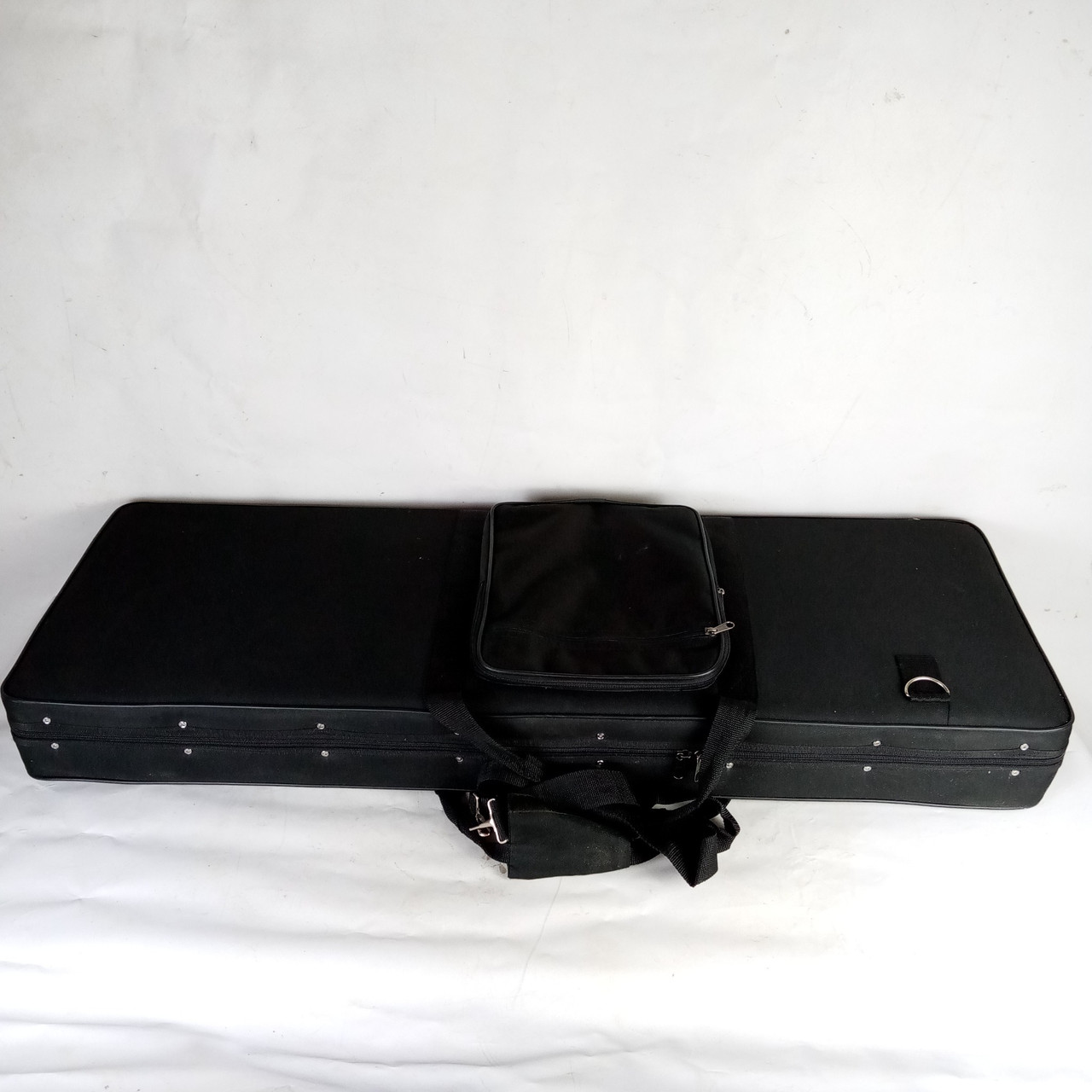
| Cases, Racks & Bags | 0 / 0 | 0 / 0 | 0 / 0 | 0 / 0 | 0 / 0 | 0 / 0 | 2 / 2 | 2 / 2 |
| Amplifiers | 0 / 0 | 0 / 0 | 0 / 0 | 0 / 2 | 0 / 0 | 0 / 0 | 1 / 0 | 1 / 2 |
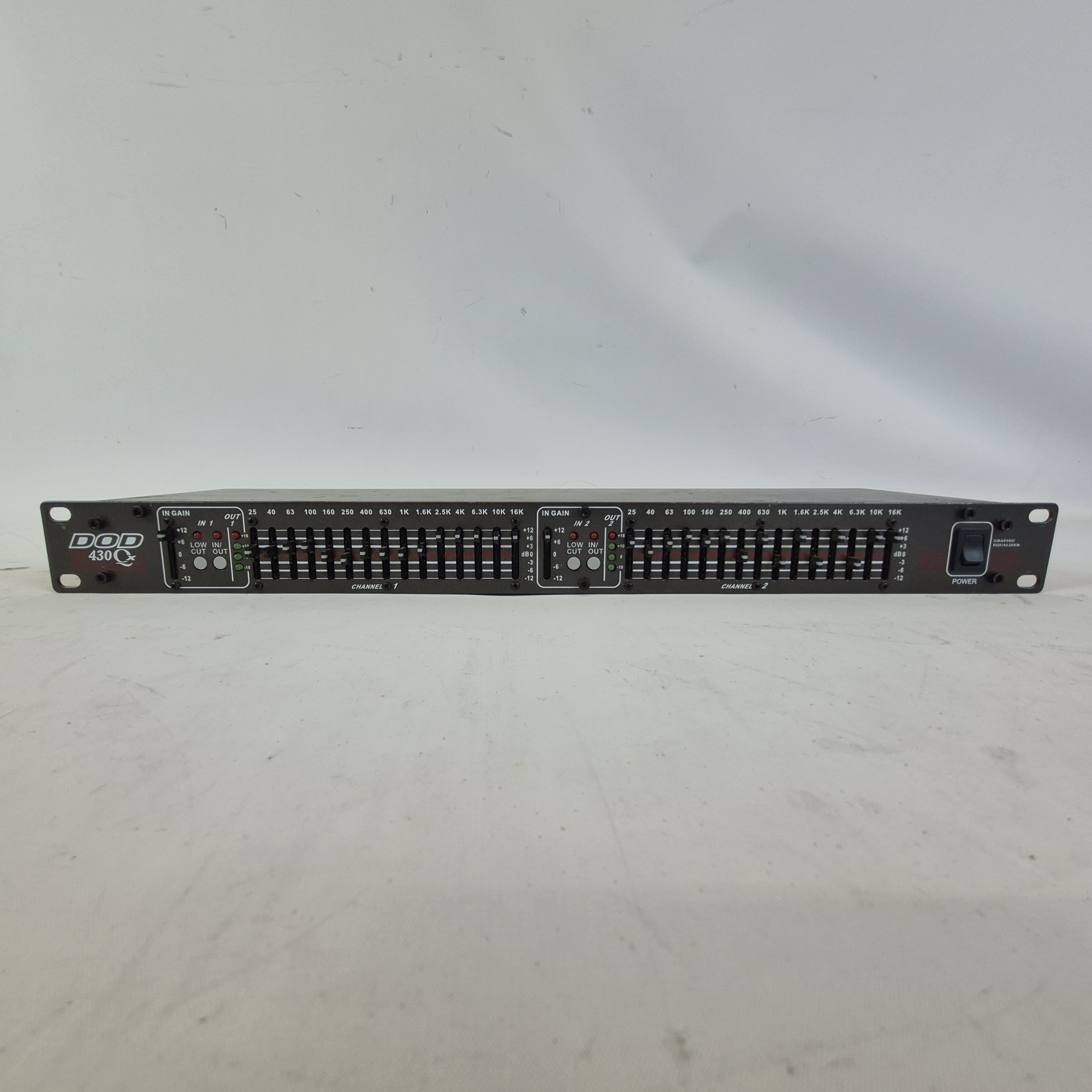
| Signal Processors/Rack Effects | 0 / 0 | 0 / 0 | 0 / 0 | 0 / 0 | 0 / 0 | 0 / 0 | 1 / 2 | 1 / 2 |
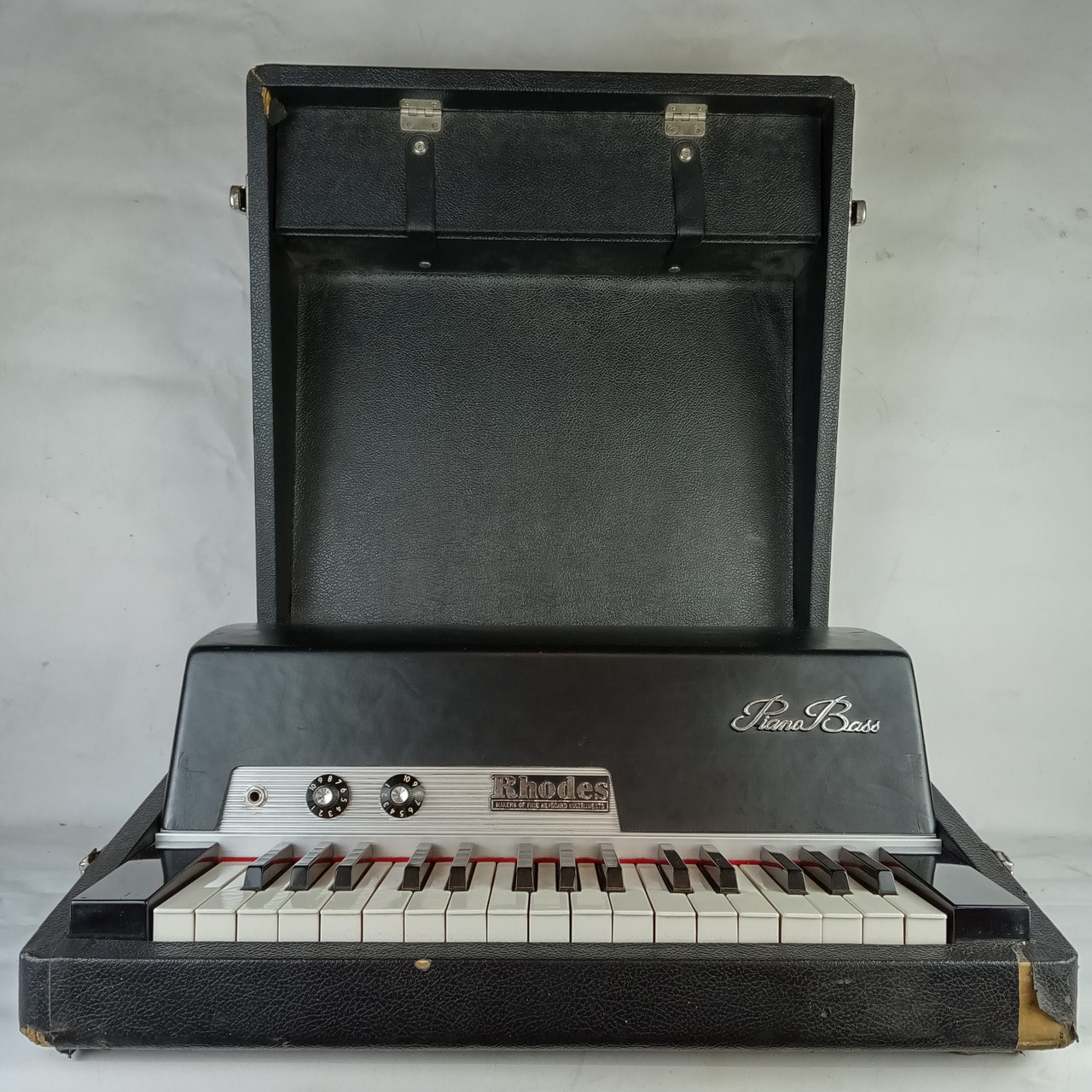
| Electronic Keyboards | 0 / 0 | 0 / 0 | 0 / 0 | 1 / 1 | 0 / 0 | 0 / 0 | 0 / 0 | 1 / 1 |
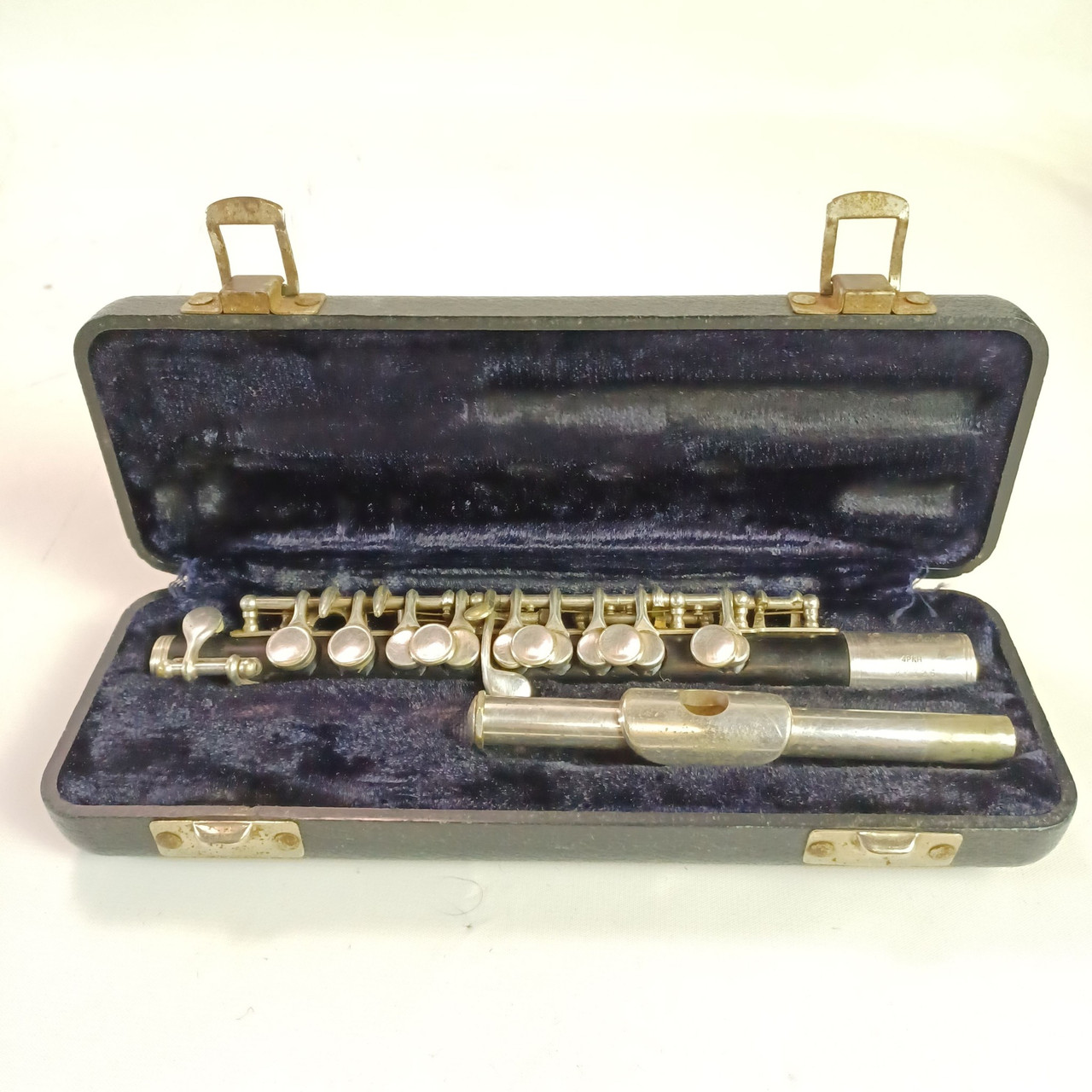
| Flutes | 0 / 0 | 0 / 0 | 0 / 0 | 0 / 0 | 0 / 0 | 0 / 0 | 1 / 1 | 1 / 1 |
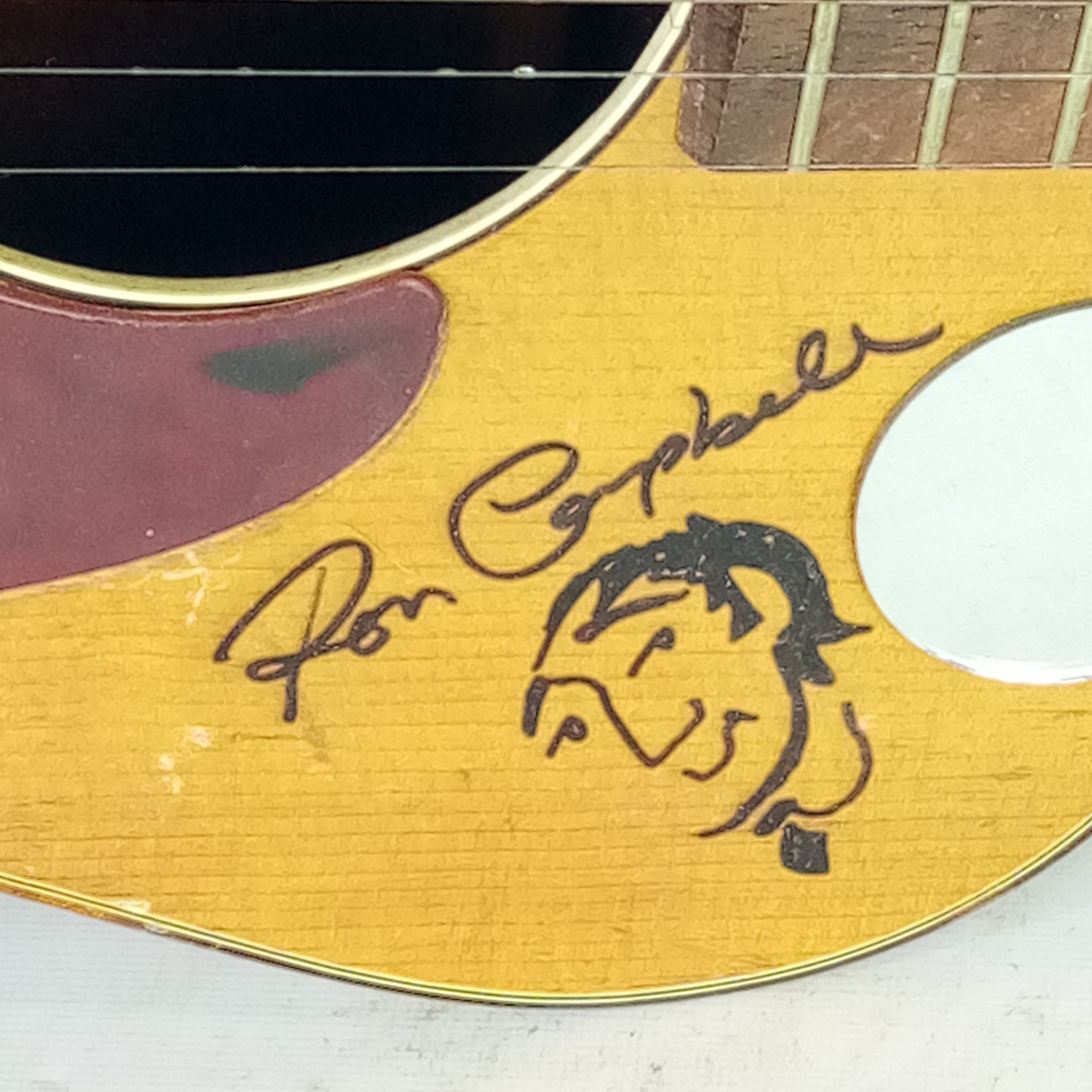
| Acoustic Guitars | 0 / 0 | 0 / 0 | 0 / 0 | 0 / 0 | 0 / 0 | 0 / 0 | 1 / 0 | 1 / 0 |
| Cellos | 0 / 0 | 0 / 0 | 0 / 0 | 0 / 0 | 0 / 0 | 0 / 0 | 1 / 0 | 1 / 0 |
| Electric Guitars | 0 / 0 | 0 / 0 | 0 / 0 | 0 / 0 | 0 / 0 | 0 / 0 | 1 / 0 | 1 / 0 |
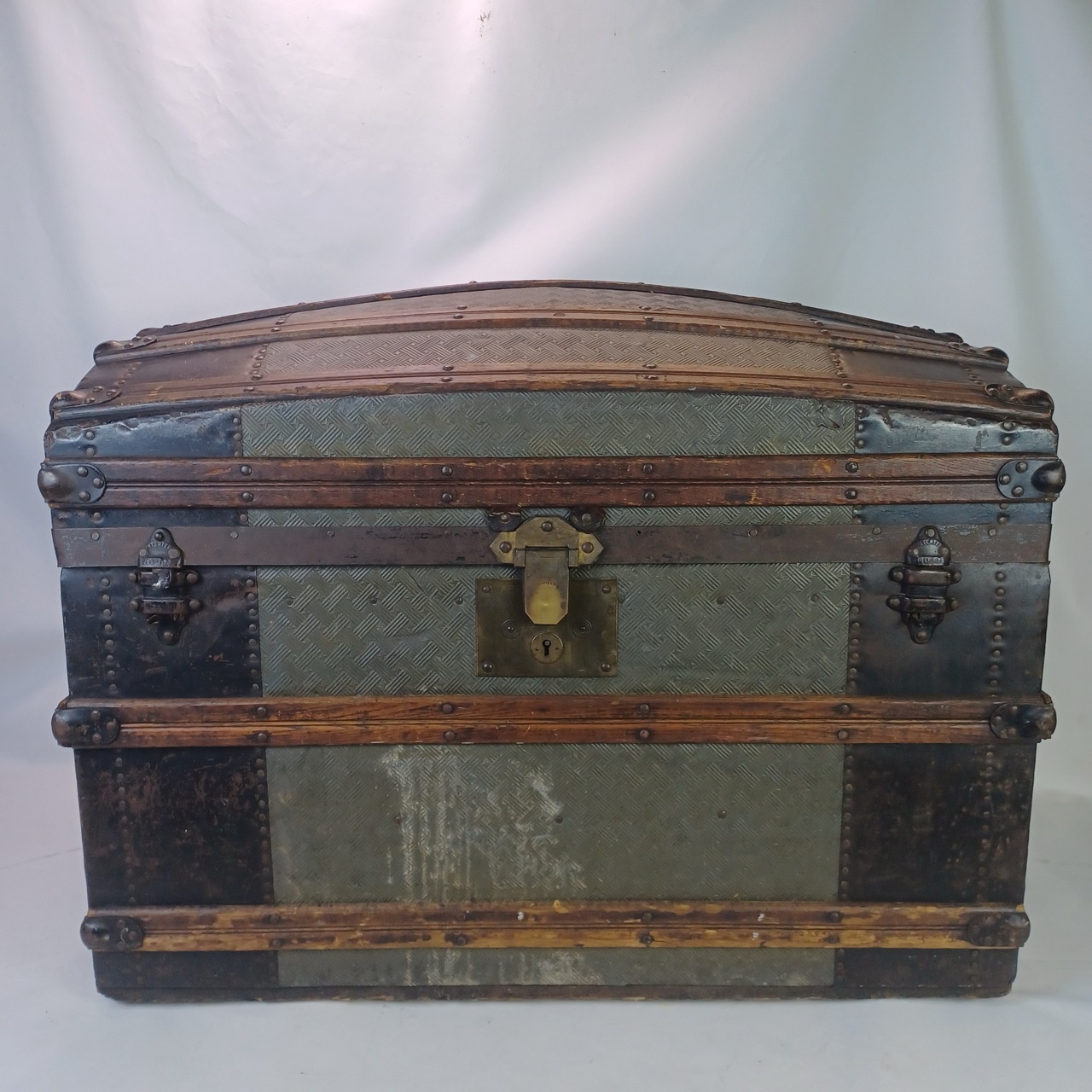
| Trunks & Chests | 0 / 0 | 0 / 0 | 0 / 0 | 0 / 0 | 0 / 0 | 0 / 0 | 1 / 0 | 1 / 0 |
| All families | 4 / 0 | 2 / 0 | 0 / 1 | 1 / 3 | 0 / 0 | 0 / 0 | 15 / 13 | 22 / 17 |
String sizes named in titles
Fractional sizes on string-category rows only — 4/4 is full size, 3/4 and below are student sizes. A case lid's ply thickness never counts here.
| Size | In stock / archived |
|---|---|
| 4/4 | 8 / 0 |
| 3/4 | 1 / 0 |
| 1/4 | 0 / 1 |
Amp power named in titles
Wattage printed in amplifier titles — practice amps at the low end, gig power at the high end. Only explicit title tokens count.
| Power | In stock / archived |
|---|---|
| 15 Watts | 1 / 0 |
| 25 Watts | 1 / 0 |
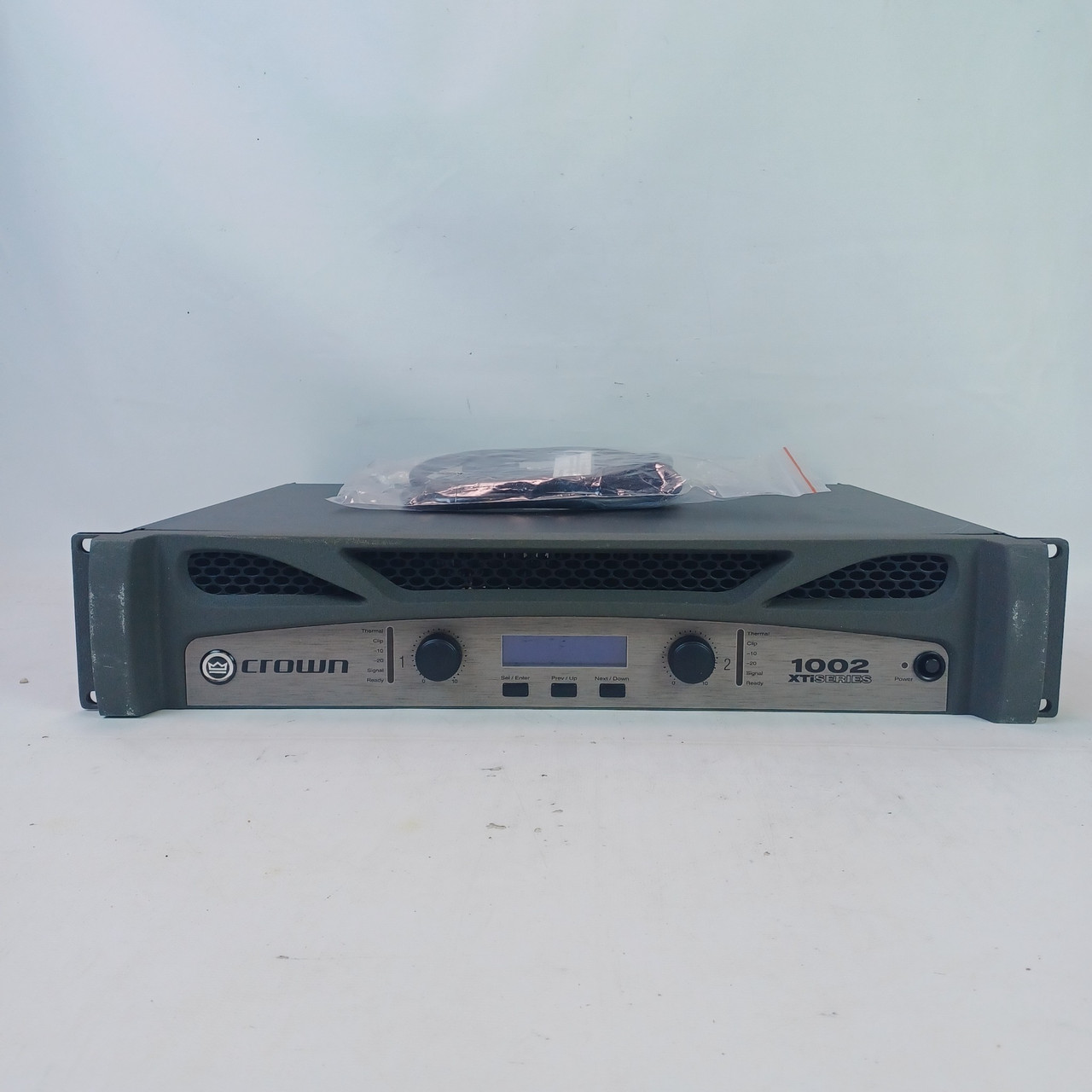
| 500 Watts | 1 / 0 |
Every figure above is measured from photographed specimens — live stock plus the archive of past listings — not from a catalog or a price guide.
Collector guides: grading, testing & packing
Player-grade vs project-grade
Every listing states which one it is. Player-grade means the instrument works as described — action, electronics, and moving parts checked and photographed. Project-grade means it needs work we name honestly: a re-fret, a re-cap, a reglued seam — priced as a project, never as a player. The photos always show the flaws the words describe.
Electronics: tested, not assumed serviced
Each electronic piece is powered up and the listing names which inputs, controls, and channels were exercised. Vintage capacitors and tubes age on the shelf, so unless the listing names a recent service, budget a tech visit before daily duty — especially for tube amps and organs with original filter caps.
String instruments: labels are labels
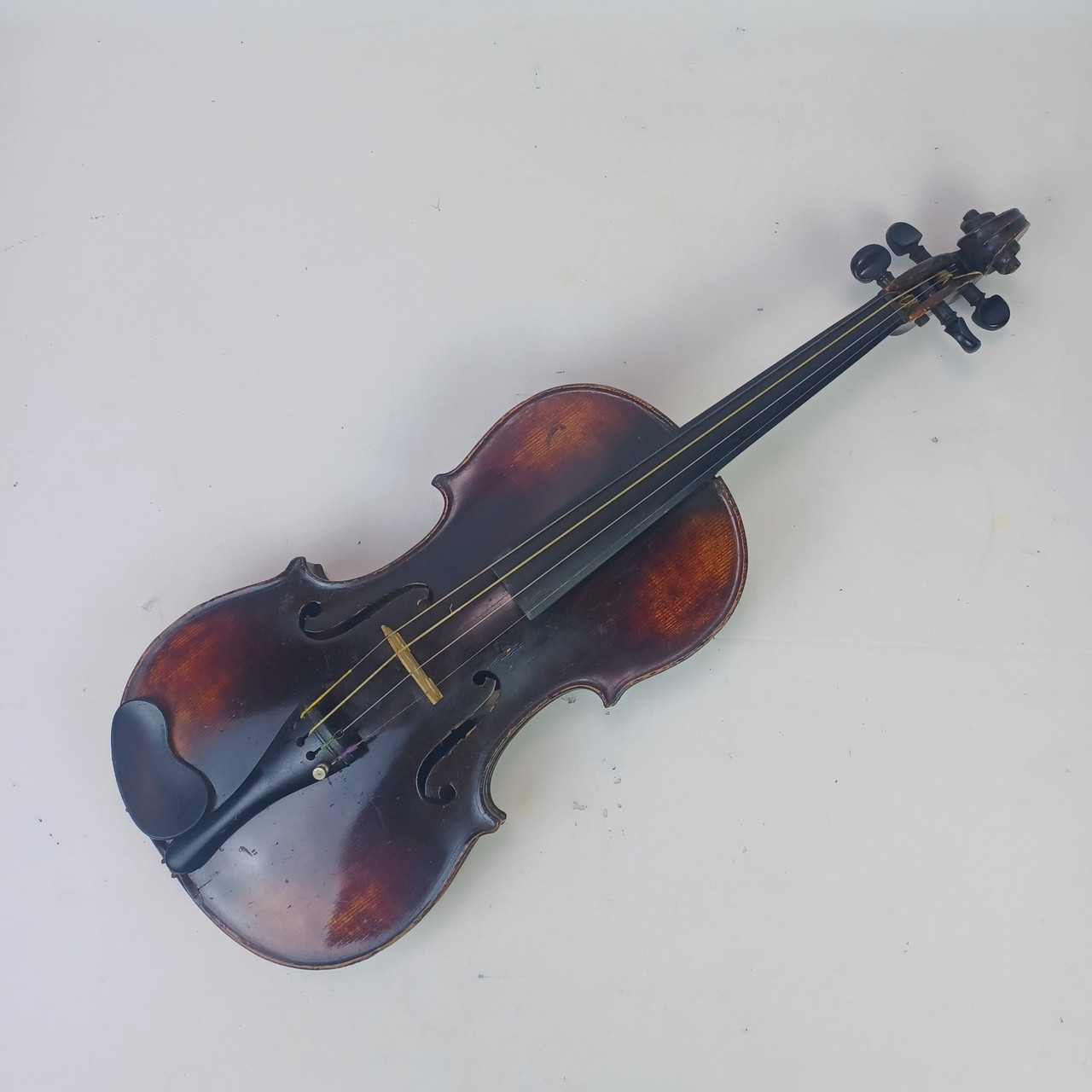
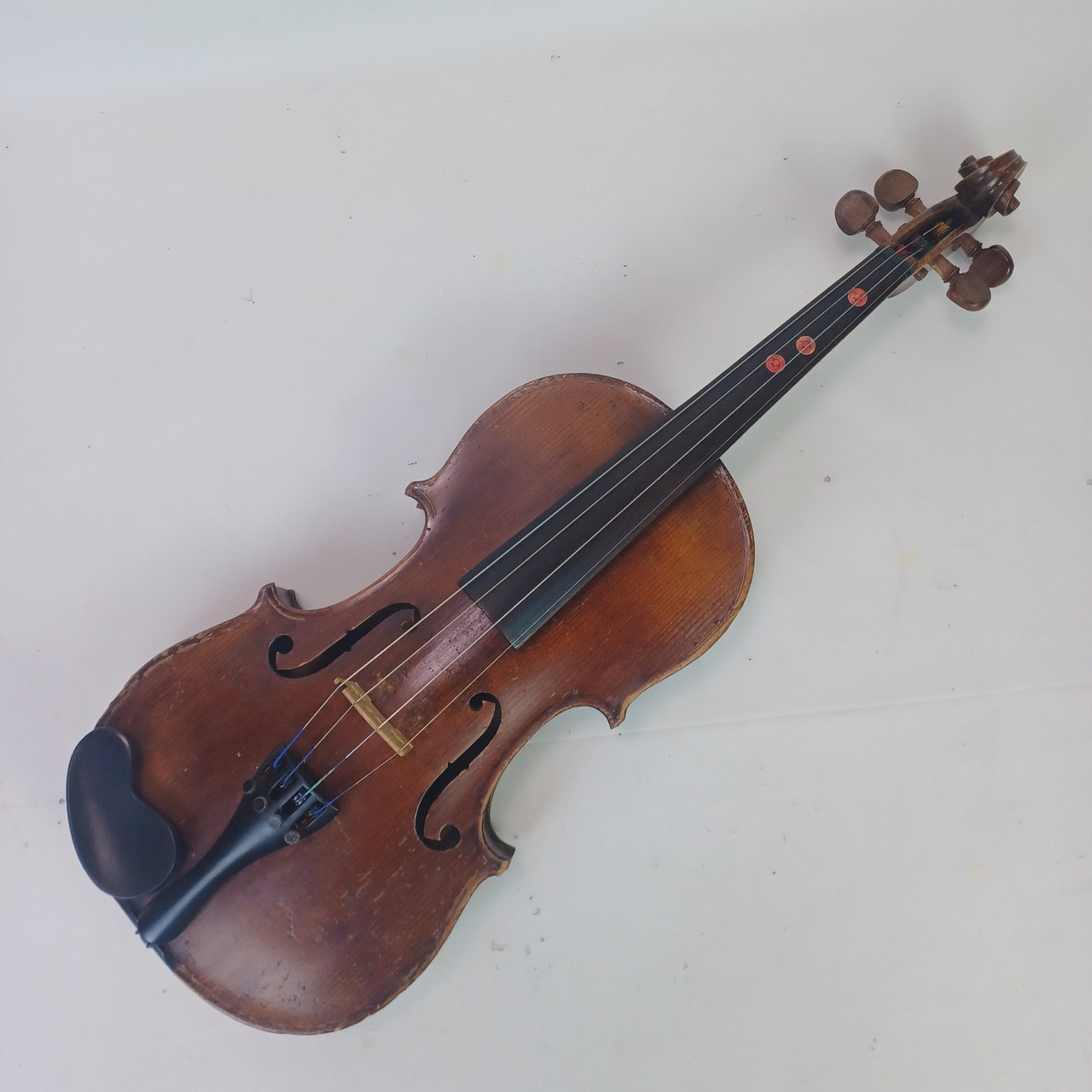
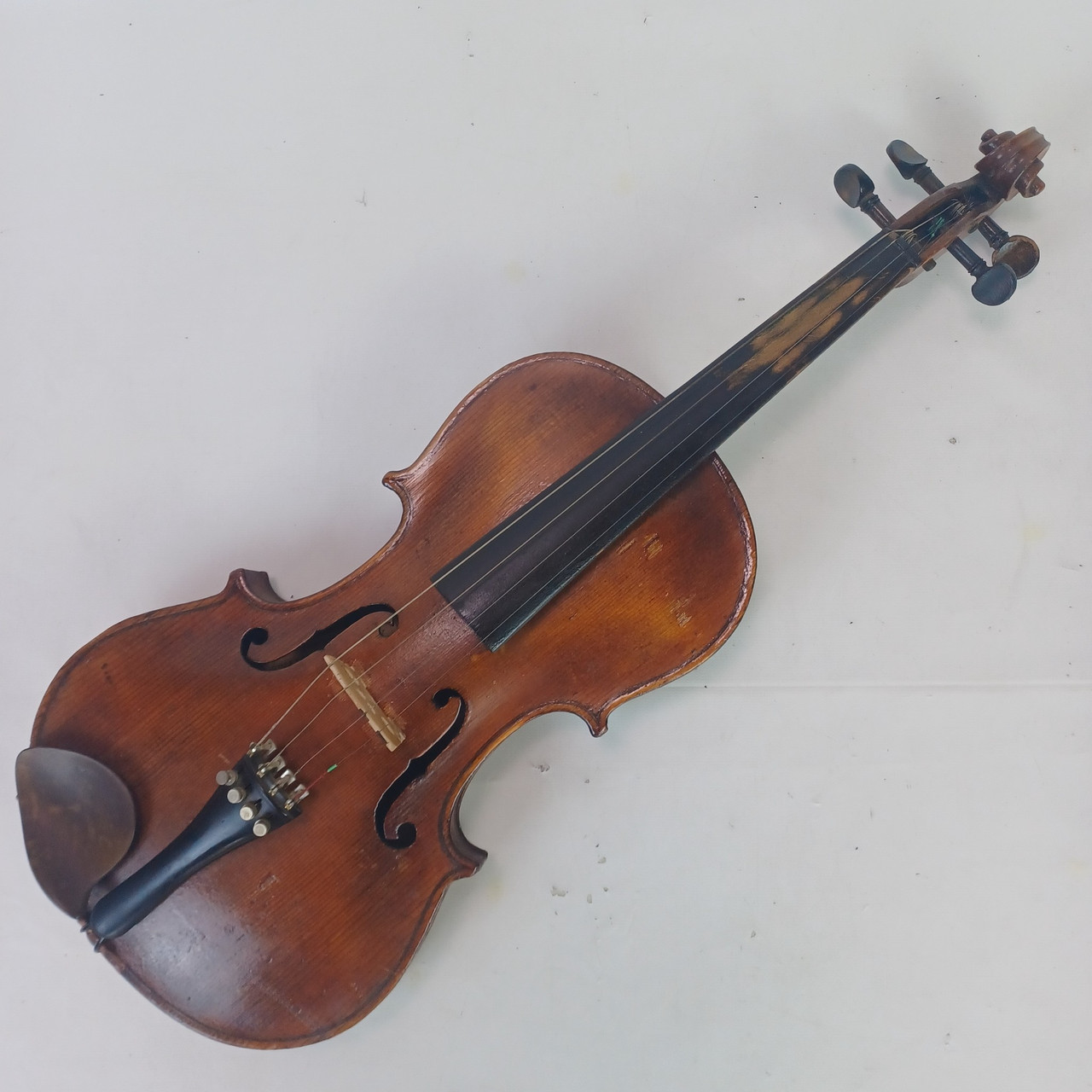
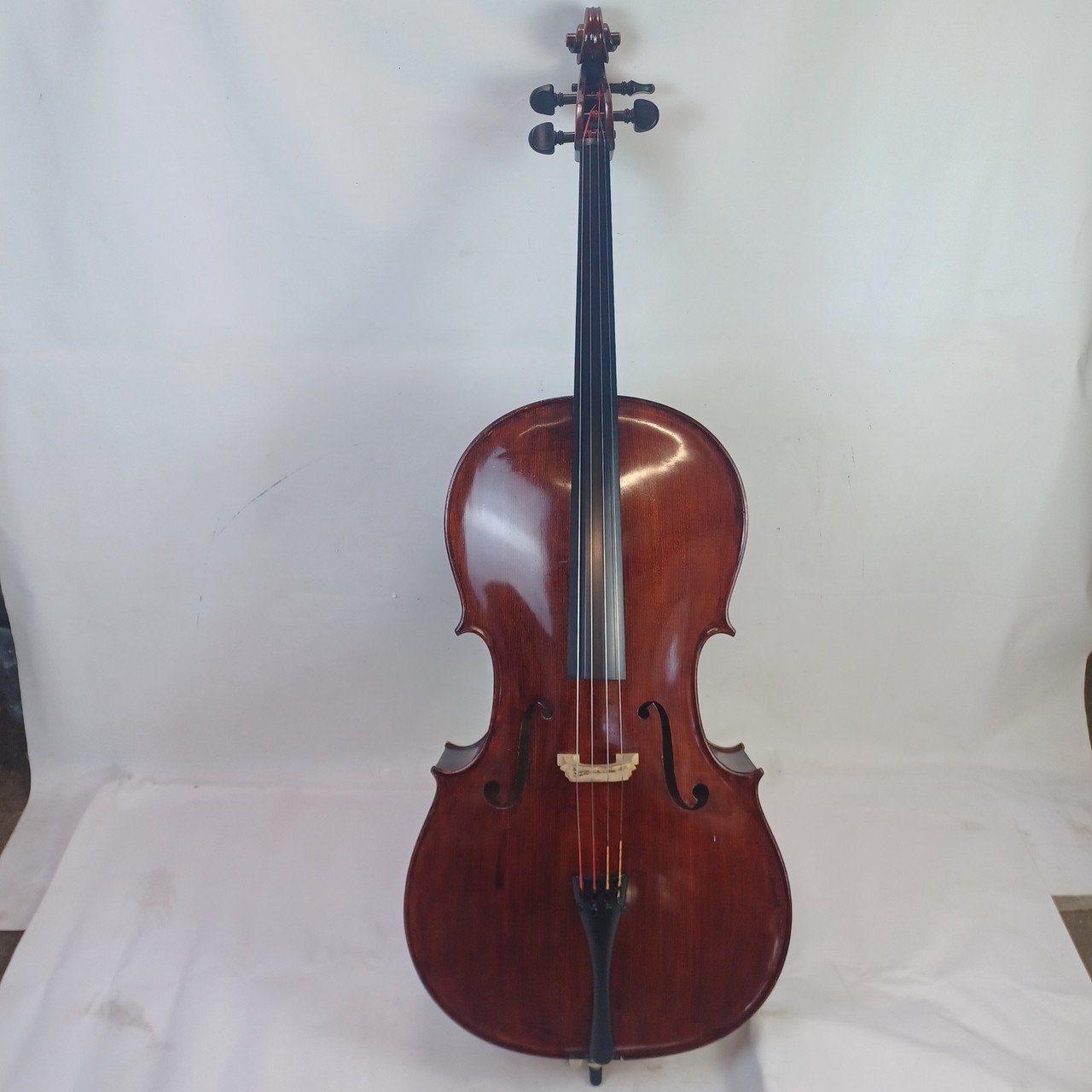
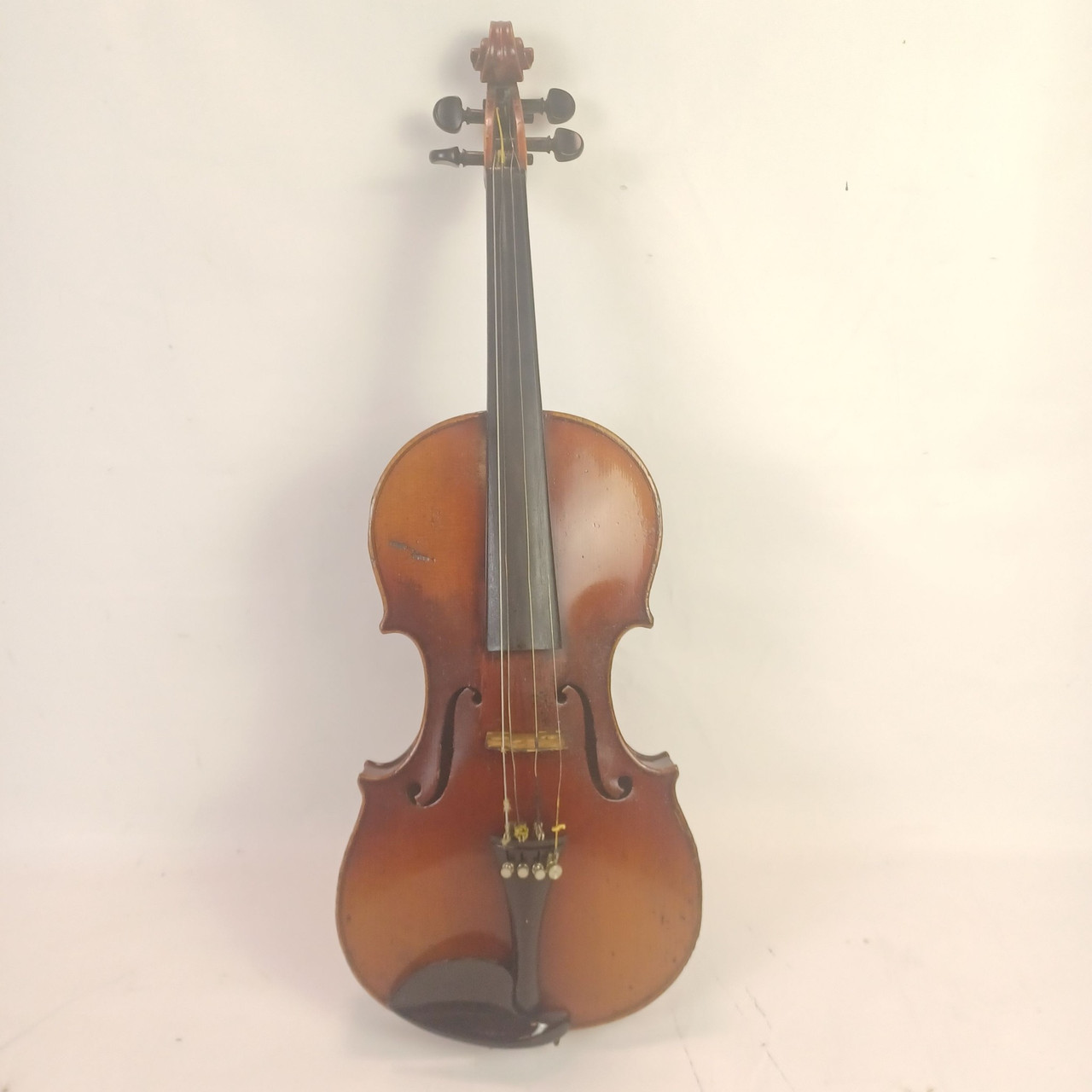
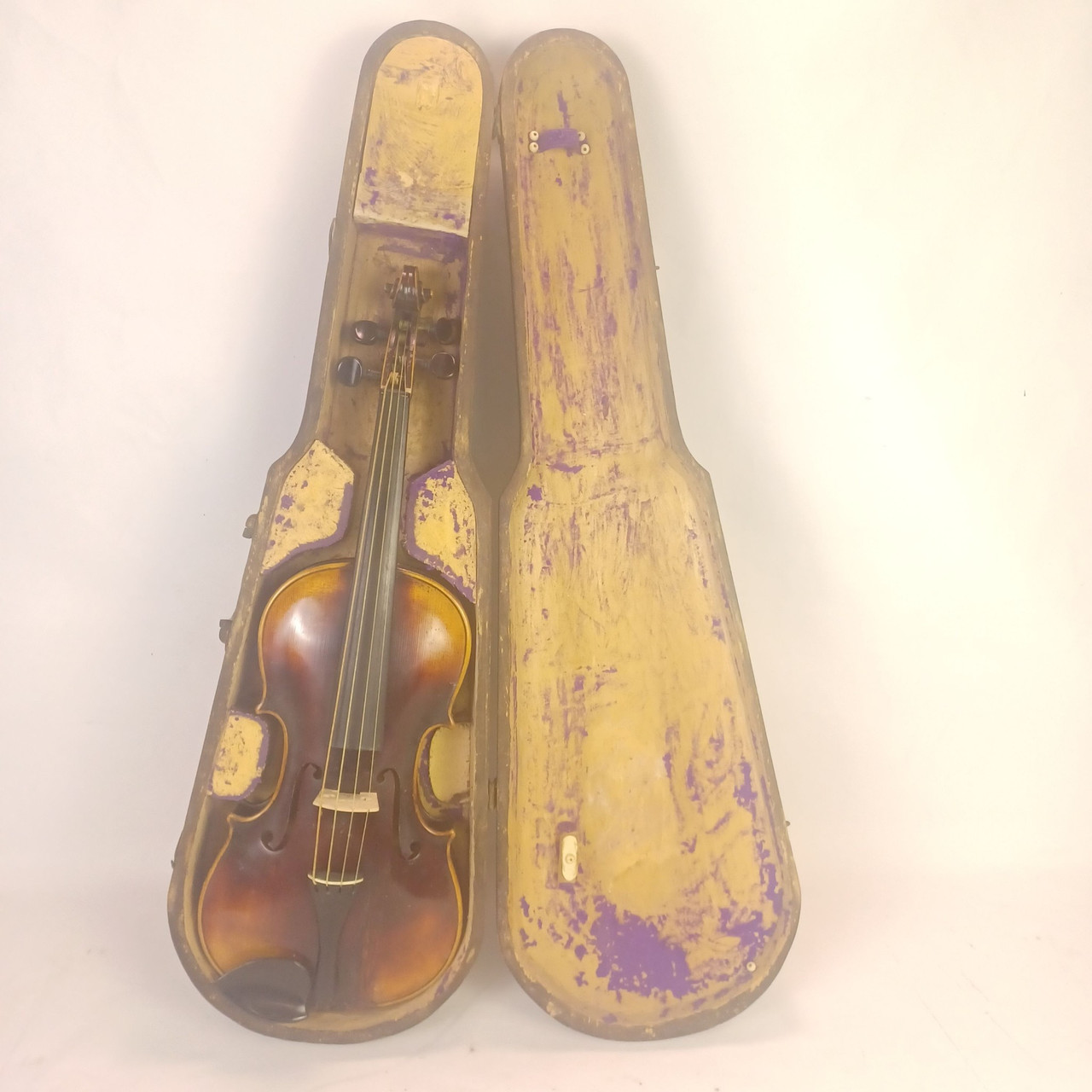
Most old violins and cellos are trade instruments — an interior label reading Stradivarius is described as a label, never as an attribution. The listing states the setup as found (bridge, action, fingerboard, cracks, repairs) and exactly what comes with it: case, bow, strings. Assume every old string instrument wants a luthier setup.
How heavy and fragile goods travel
Amplifiers travel double-boxed with tubes pulled and wrapped separately; violins and cellos travel in their cases with the bridge protected and the body braced. Oversize pieces like steamer trunks ship by arrangement — ask us before checkout and we will work out the safest route.
In stock now: vintage goods
Frequently asked questions
What kinds of goods do you carry?
String instruments (violins, cellos), electric and acoustic guitars, guitar and bass amplifiers, electronic keyboards such as Rhodes pianos, plus trunks, cases, and curiosities. Stock turns over constantly — this hub always shows what is actually available.
Are instruments playable or for display?
We state playability on every listing: action, electronics, and any needed work are described and photographed. Project-grade pieces are priced as projects, never as players.
Are amplifiers and electronics serviced before sale?
We test and state: every electronic piece is powered up, and the listing names which inputs, controls, and channels we exercised. Vintage capacitors and tubes age even on the shelf, so unless the listing names a recent service, assume a decades-old amp wants a tech visit before daily duty — priced accordingly, never as serviced.
What should I know about old violins and string instruments?
Most old violins are trade instruments, not fine Italian work — labels inside are described as labels, never as attributions. The listing states the setup as found: bridge, action, fingerboard, and any cracks or repairs, plus exactly what comes with it (case, bow, strings). Assume every old string instrument wants a luthier setup; project-grade pieces are priced as projects.
How do heavy or fragile goods ship?
Amplifiers travel double-boxed with tubes pulled and wrapped separately; violins and cellos travel in their cases with the bridge protected and the body braced. Oversize pieces like steamer trunks ship by arrangement — ask us before checkout and we will work out the safest route.
Can I see more photos or ask about condition?
Anytime — every piece is photographed from all sides and the listing states flaws honestly, but one-of-a-kind condition questions deserve a straight answer. Message us through the contact page or chat and we will check the piece in hand, take another photo, or confirm a measurement before you buy.
Do you buy non-drum instruments?
Yes — we buy vintage instruments that are used, abused, and in need of restoration, primarily percussion and synthesizers, and we consider trades. Use the contact page with photos and an asking price.
What happens when a good sells?
Like every one-of-a-kind piece, it moves to the archive. This hub shows only goods still in stock.