In stock › Categories › Vintage Drums
Vintage Drums
Browse all 1371 in the shop — opens pre-filtered.
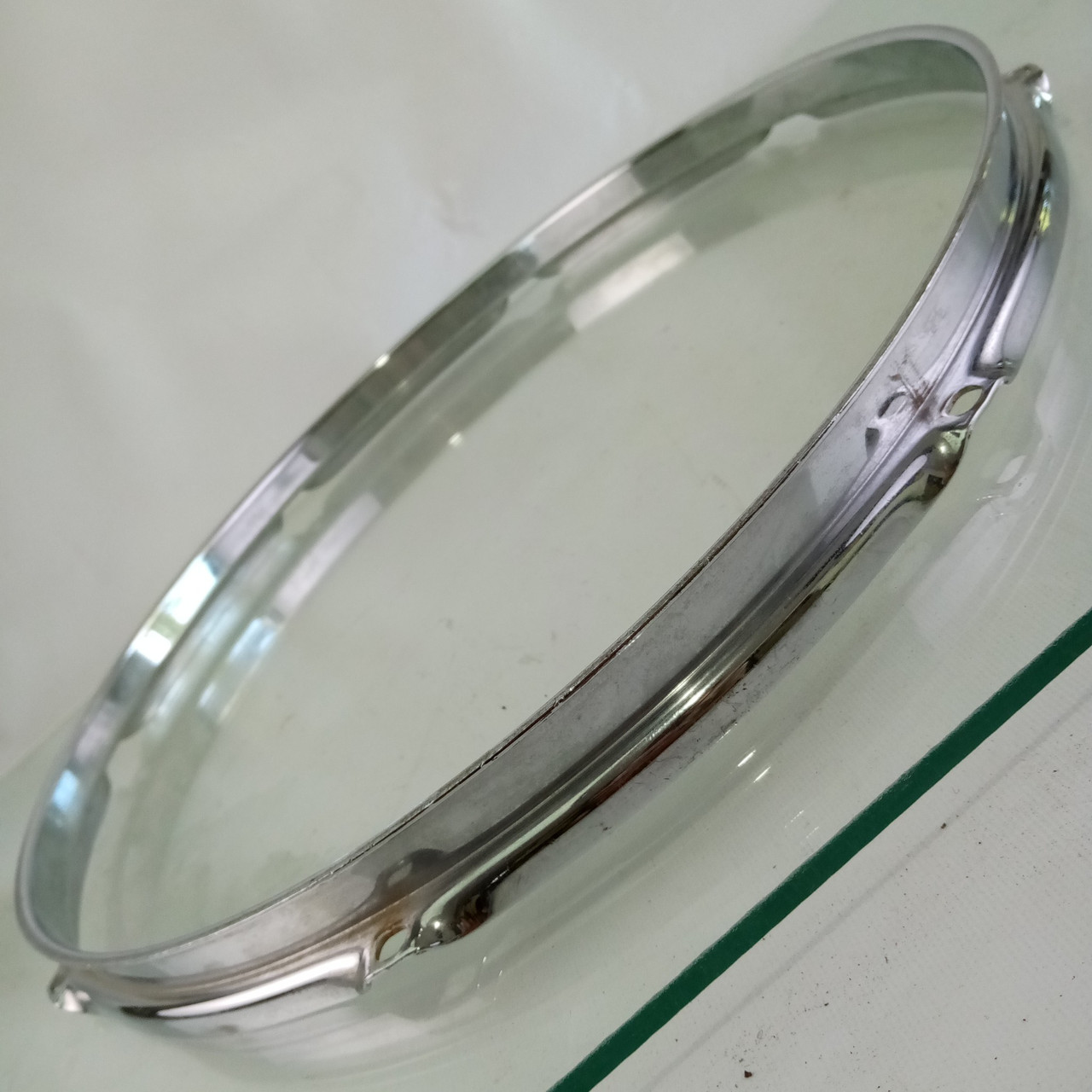
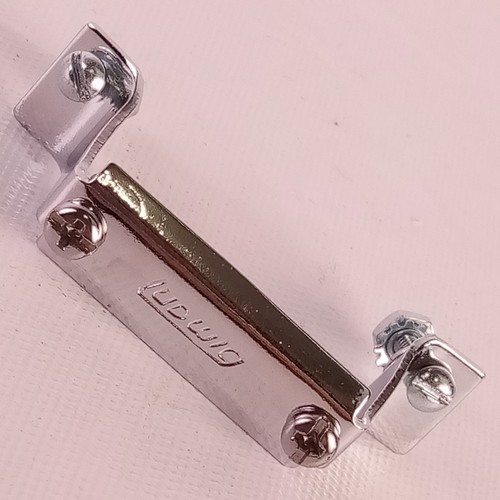
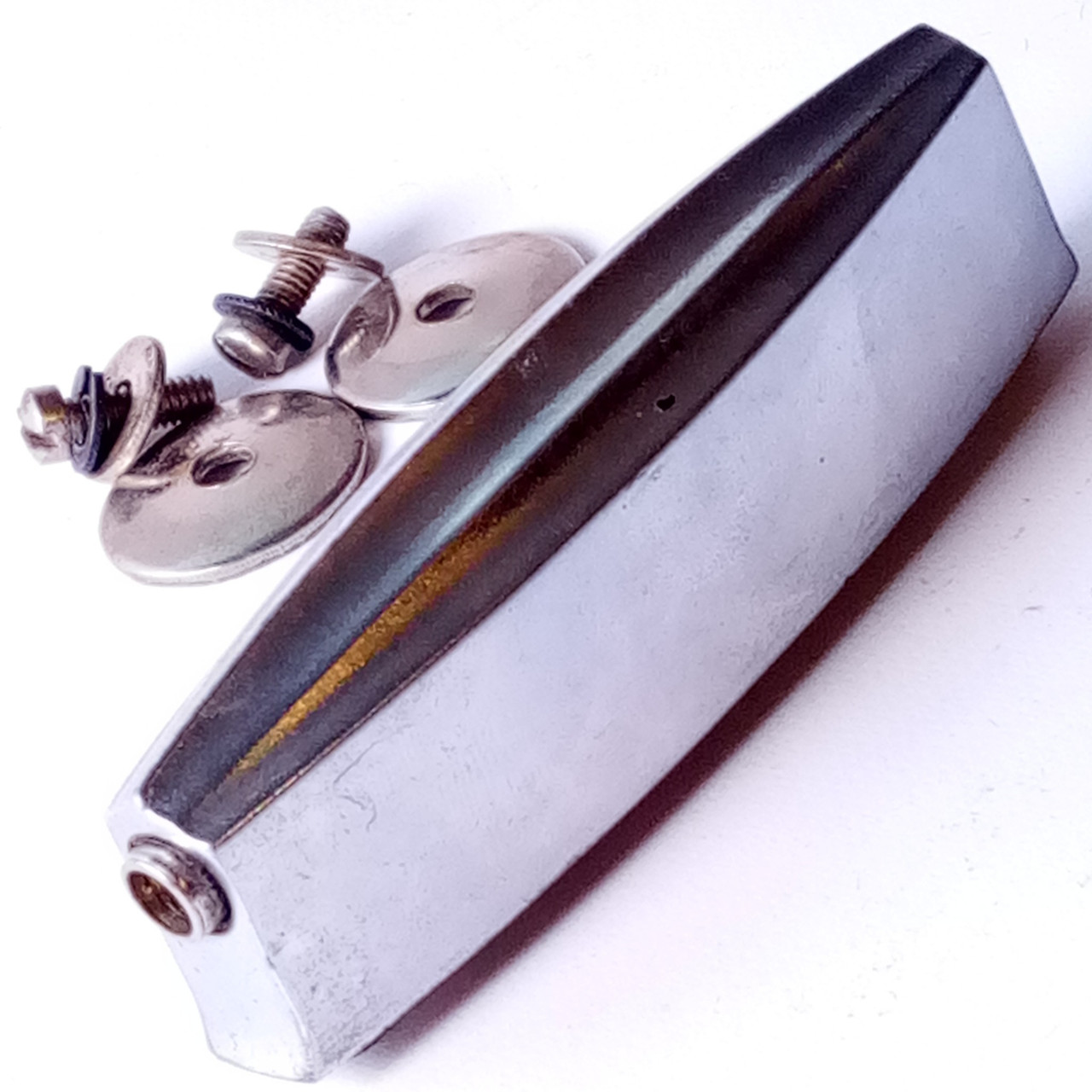
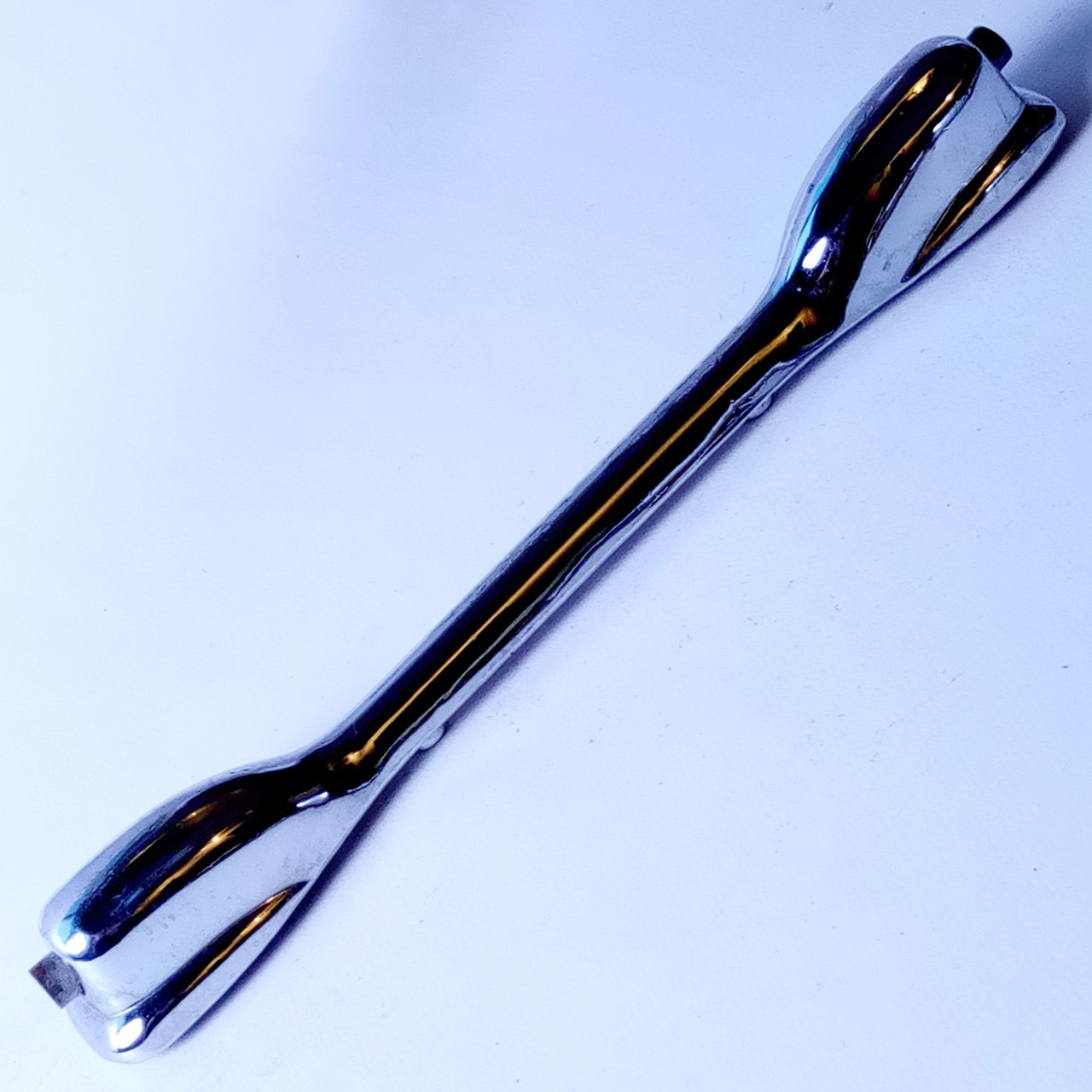
This is the drum shop: every vintage drum, cymbal, and restoration part we have in stock lives under this hub. Complete kits and snares for players and collectors, plus the fitment-critical parts that keep old drums playing — lugs by hole spacing, tension rods by thread pitch, hoops by diameter and lug count, strainers and butt plates by maker and era.
Start from the family silos when you know what you need — snare drums, drum sets, cymbals, lugs, rims, rods, calfskin heads — or browse everything below. Every piece is one of a kind: when it sells it moves to the archive, so this page always shows exactly what is available.
Below: the Maker-by-Era badge and fitment matrix measured from every drum, cymbal, and part in stock plus the archive of past listings — hole spacings, thread pitches, and shell diameters as observed, not as catalogued — followed by direct doors into all 12 maker hubs, 6 era hubs, 22 family silos, and the collector guides.
Maker-by-Era badge & fitment matrix
Measured across 1371 pieces in stock plus 10027 archived specimens — every cell below is counted from photographed listings, not from a catalog or a price guide. Cells read in stock / archived.
| Maker | Pre-1950 | 1950s | 1960s | 1970s | 1980s | 1990s+ | Undated | Total |
|---|---|---|---|---|---|---|---|---|
| Slingerland Radio King | 48 / 224 | 19 / 118 | 0 / 11 | 1 / 0 | 0 / 0 | 0 / 0 | 34 / 110 | 102 / 463 |
| WFL (Ludwig) | 16 / 57 | 32 / 181 | 5 / 6 | 0 / 0 | 0 / 0 | 0 / 0 | 23 / 66 | 76 / 310 |
| Ludwig | 86 / 542 | 42 / 216 | 93 / 808 | 28 / 436 | 15 / 165 | 2 / 24 | 143 / 468 | 409 / 2659 |
| Slingerland | 4 / 116 | 40 / 186 | 37 / 412 | 13 / 295 | 0 / 32 | 0 / 0 | 79 / 241 | 173 / 1282 |
| Gretsch | 25 / 154 | 32 / 188 | 26 / 193 | 11 / 44 | 5 / 12 | 0 / 3 | 49 / 119 | 148 / 713 |
| Rogers | 3 / 15 | 4 / 61 | 36 / 487 | 8 / 123 | 2 / 4 | 0 / 2 | 21 / 148 | 74 / 840 |
| Leedy | 62 / 415 | 4 / 7 | 0 / 0 | 0 / 0 | 0 / 0 | 0 / 0 | 80 / 94 | 146 / 516 |
| Camco | 0 / 0 | 0 / 5 | 5 / 29 | 1 / 4 | 0 / 2 | 0 / 0 | 0 / 2 | 6 / 42 |
| Premier | 1 / 0 | 13 / 66 | 25 / 195 | 20 / 94 | 3 / 16 | 3 / 14 | 7 / 53 | 72 / 438 |
| Sonor | 0 / 0 | 0 / 0 | 3 / 53 | 2 / 39 | 1 / 4 | 0 / 4 | 3 / 27 | 9 / 127 |
| Zildjian | 1 / 38 | 0 / 53 | 0 / 60 | 0 / 20 | 1 / 7 | 0 / 1 | 2 / 51 | 4 / 230 |
| Paiste | 0 / 0 | 0 / 0 | 0 / 4 | 0 / 2 | 0 / 3 | 1 / 1 | 0 / 10 | 1 / 20 |
| Unattributed | 17 / 116 | 11 / 51 | 32 / 322 | 5 / 188 | 10 / 246 | 5 / 36 | 71 / 1428 | 151 / 2387 |
| All makers | 263 / 1677 | 197 / 1132 | 262 / 2580 | 89 / 1245 | 37 / 491 | 11 / 85 | 512 / 2817 | 1371 / 10027 |
Badge timeline (curated trade cues)
How to read a badge at a glance — maker's marks by decade, not stock claims.
| Maker | Pre-1950 | 1950s | 1960s | 1970s | 1980s | 1990s+ |
|---|---|---|---|---|---|---|
| Slingerland Radio King | Cloud badge; solid-shell peak | Cloud badge; Radio King peak | Oval badge; late shells | Black/brass late shells | — | — |
| WFL (Ludwig) | WFL; nickel, mahogany/poplar | WFL transition; re-merged 1955 | — (absorbed into Ludwig keystone era) | — | — | — |
| Ludwig | Ludwig & Ludwig oval; WFL founding era | WFL transition badges | Keystone badge 1960-69 | Blue/olive badge 1969+ | Blue/olive late; Chicago era | Reissue / modern — verify serial |
| Slingerland | Cloud badge; Radio King peak | Cloud to oval transition | Oval badge | Black/brass or black/silver Niles badges | Niles late badges | — |
| Gretsch | — | Round badge (prized) | Stop-sign badge | Drop-G badge | Later badges — verify serial | — |
| Rogers | — | Cleveland early | Script logo; Cleveland/Dayton | Fullerton era | Later badges | — |
| Leedy | Elkhart; Indianapolis badges | Blue/aluminum Elkhart; SlingerLeedy transition | SlingerLeedy era | — | — | — |
| Camco | — | — | Oak Lawn / Los Angeles; geometric lugs | Chanute, Kansas 1971-73 | — | — |
| Premier | — | Made In England early badges | Made In England; Royal Scot / 2000-series | Made In England; 70s UK tags | Later UK badges | — |
| Sonor | — | — | Teardrop lugs | Champion badge 1973-75; Phonic era | Phonic / Hilite era | — |
| Zildjian | Early stamps — verify | Pre-serial 50s stamps | Short stamp 60s | Hollow-logo 70s | Later stamps | — |
| Paiste | — | Pre-serial | Pre-serial / early 602 | Black-label; 2002 era | Later labels | — |
Lug hole spacings measured
Center-to-center between mounting holes, in inches — match your shell drilling exactly.
| Spacing | Specimens |
|---|---|
| 1 5/8" | 47 specimens |
| 1 7/8" | 47 specimens |
| 2 5/8" | 32 specimens |
| 2 1/4" | 30 specimens |
| 2 7/16" | 26 specimens |
| 4 1/4" | 26 specimens |
| 1 1/4" | 24 specimens |
| 4 1/2" | 23 specimens |
Tension-rod thread pitches measured
Threads per inch. 12-24 fits most vintage American lugs; 10-24 fits older designs; metric fits nothing American.
| Pitch | Specimens |
|---|---|
| 12-24 | 237 specimens |
| 10-24 | 101 specimens |
| 1/4-20 | 11 specimens |
| 1/4-28 | 4 specimens |
| 10-32 | 3 specimens |
| 5/16-18 | 3 specimens |
| 3/8-18 | 2 specimens |
| 8-24 | 2 specimens |
Shell diameters measured
Diameters observed across drums and heads in stock plus the archive — depths vary per listing.
| Diameter | Specimens |
|---|---|
| 14" | 1622 specimens |
| 13" | 466 specimens |
| 16" | 453 specimens |
| 15" | 393 specimens |
| 12" | 382 specimens |
| 22" | 322 specimens |
| 20" | 248 specimens |
| 18" | 198 specimens |
Every figure above is measured from photographed specimens — live stock plus the archive of past listings — not from a catalog or a price guide.
What the catalog holds: Vintage Drums
1371 pieces in stock · 10027 in the archive.
Common diameters in stock: 14" (116), 15" (68), 13" (47), 16" (44), 12" (26).
Common lug hole spacings: 1 5/8" (47), 1 7/8" (47), 2 5/8" (32), 2 1/4" (30), 2 7/16" (26) — match your shell drilling exactly.
Thread pitches observed: 12-24 (237), 10-24 (101), 1/4-20 (11), 1/4-28 (4), 10-32 (3) — 12-24 fits most vintage American lugs, 10-24 older designs.
Every figure above is measured from photographed specimens — live stock plus the archive of past listings — not from a catalog or a price guide.
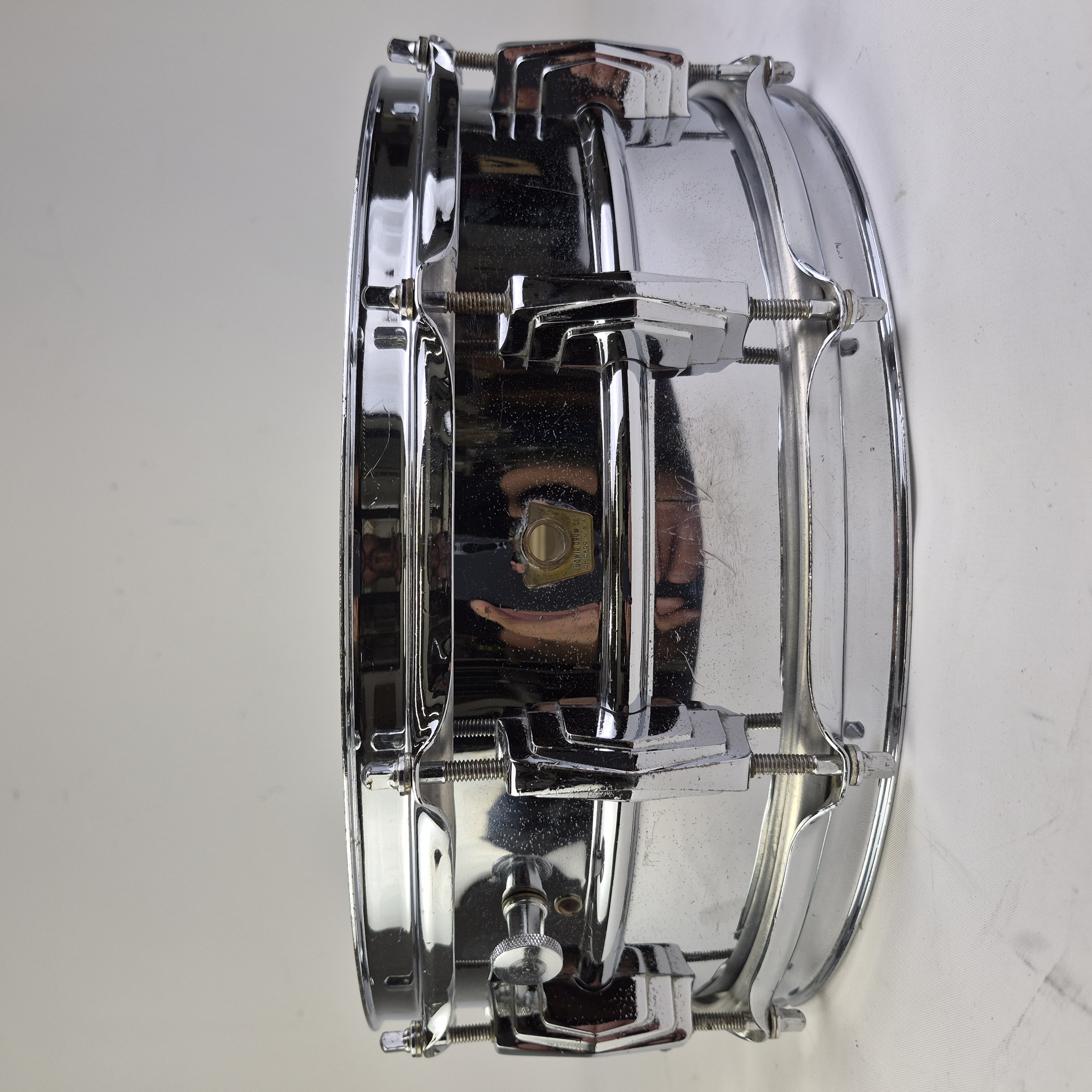
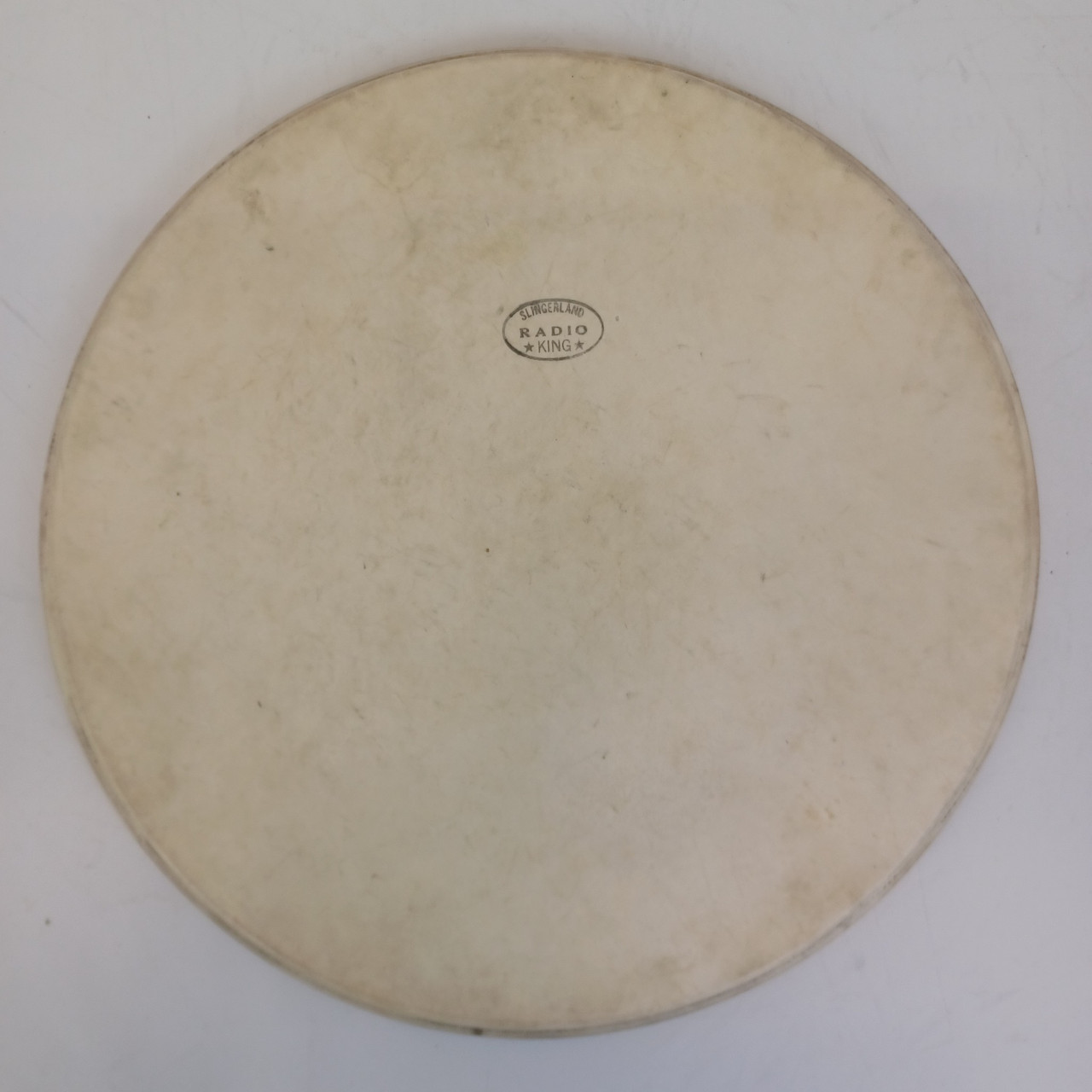
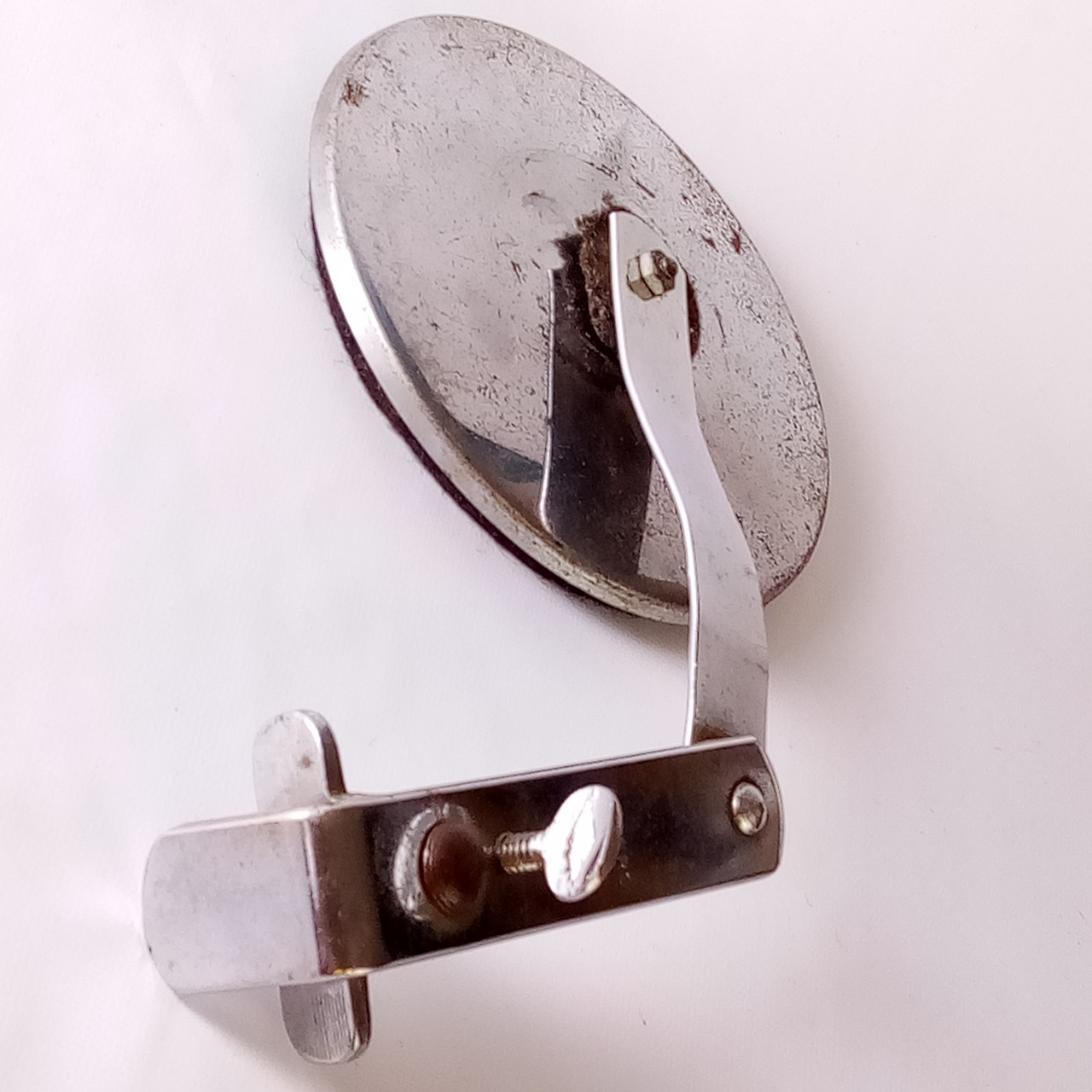
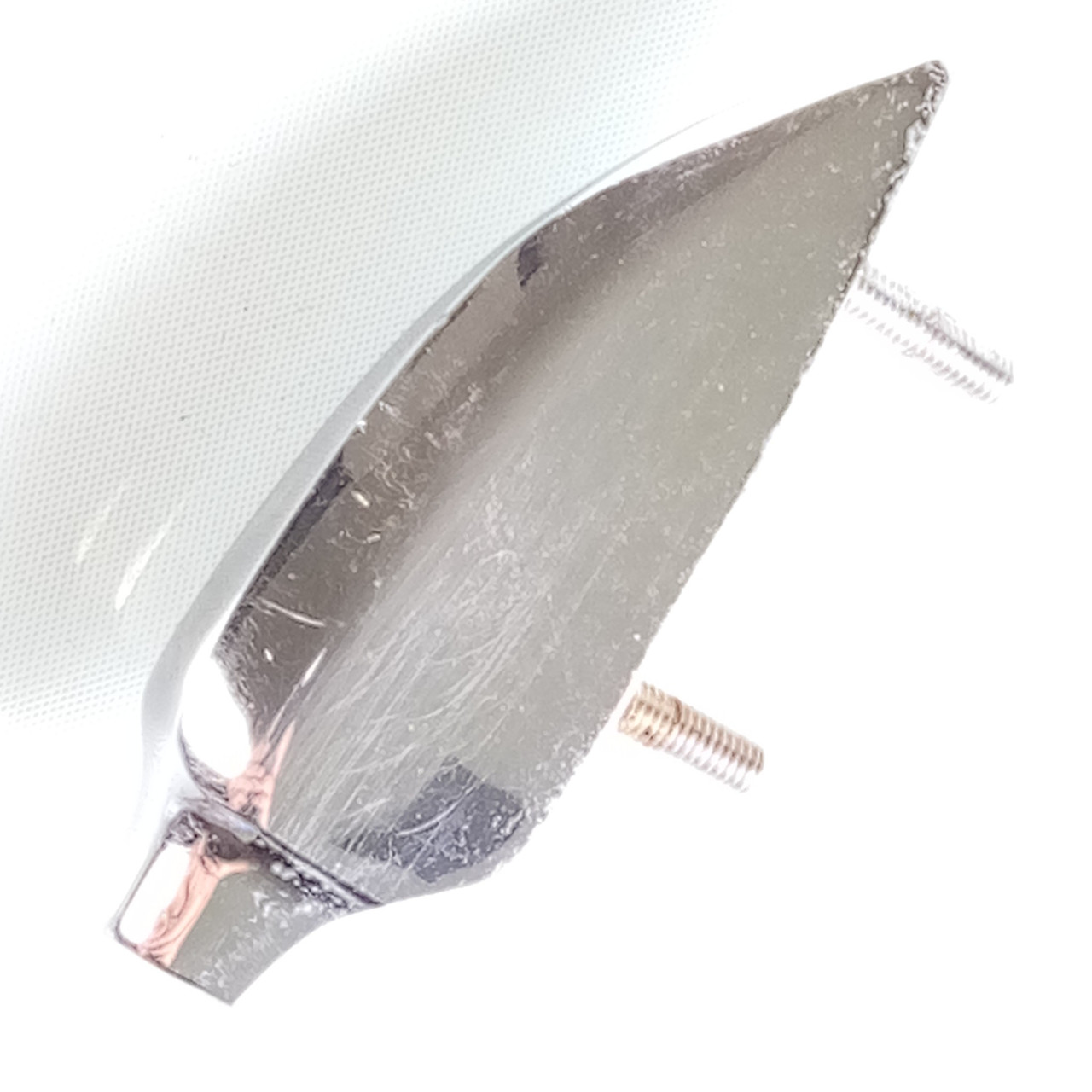
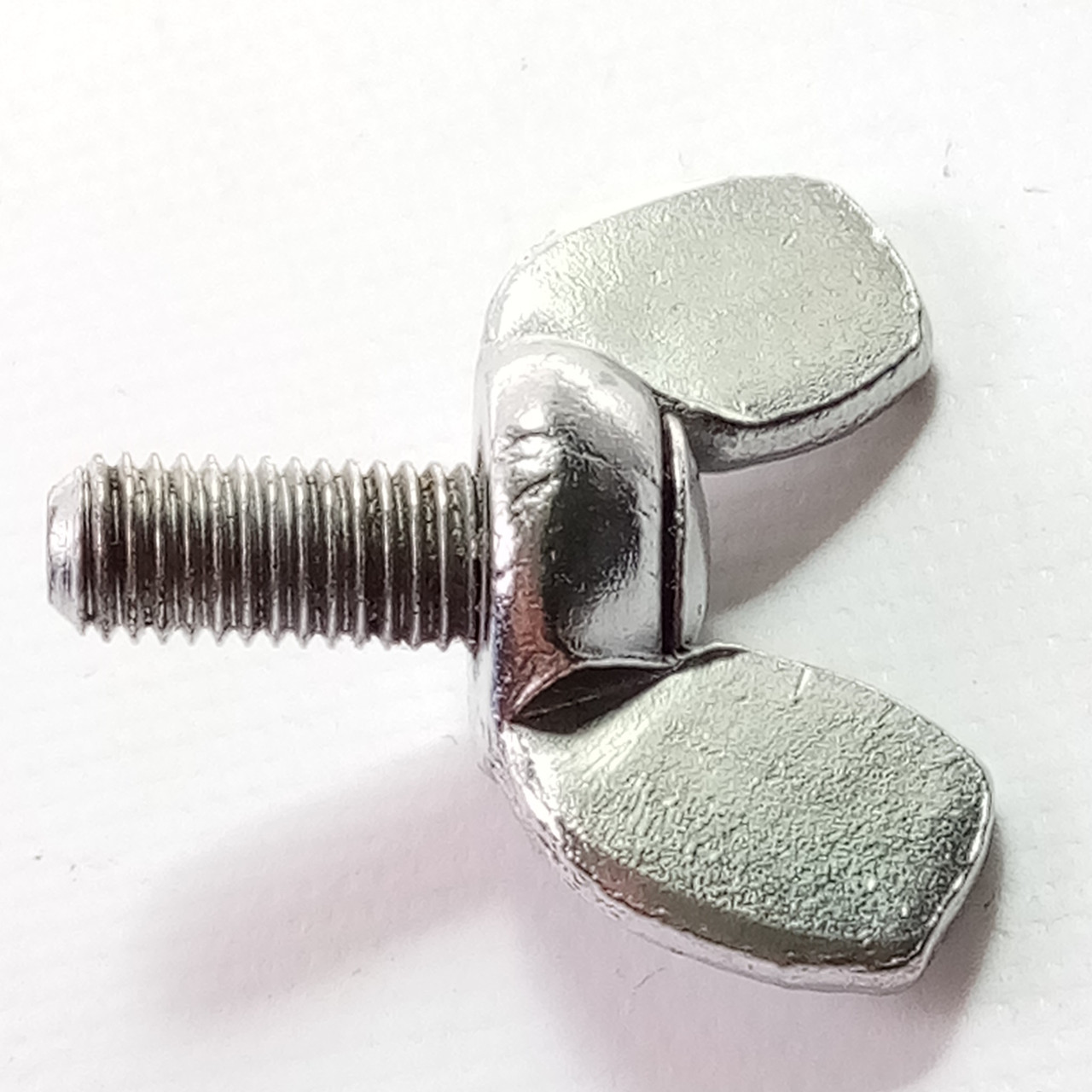
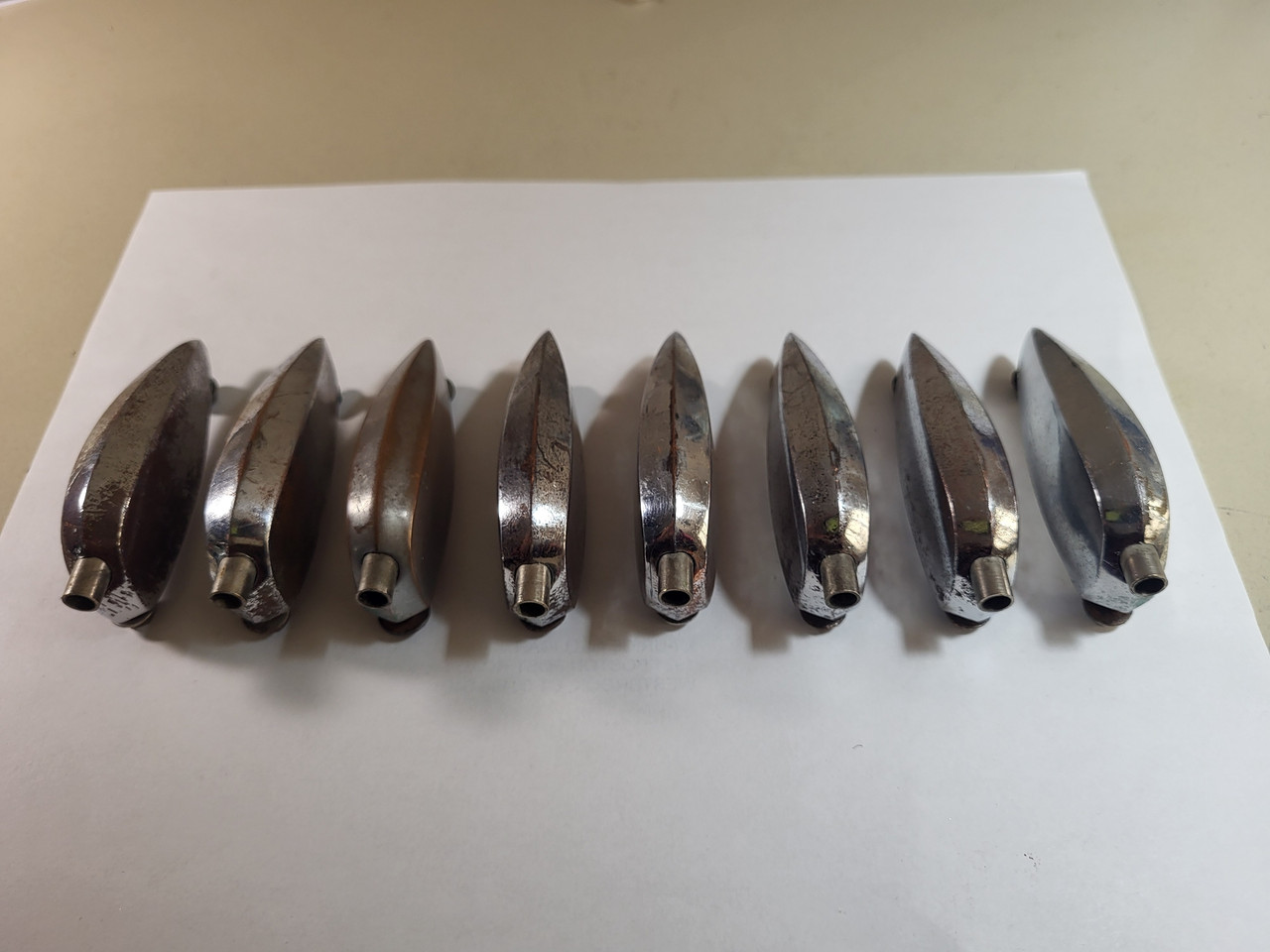
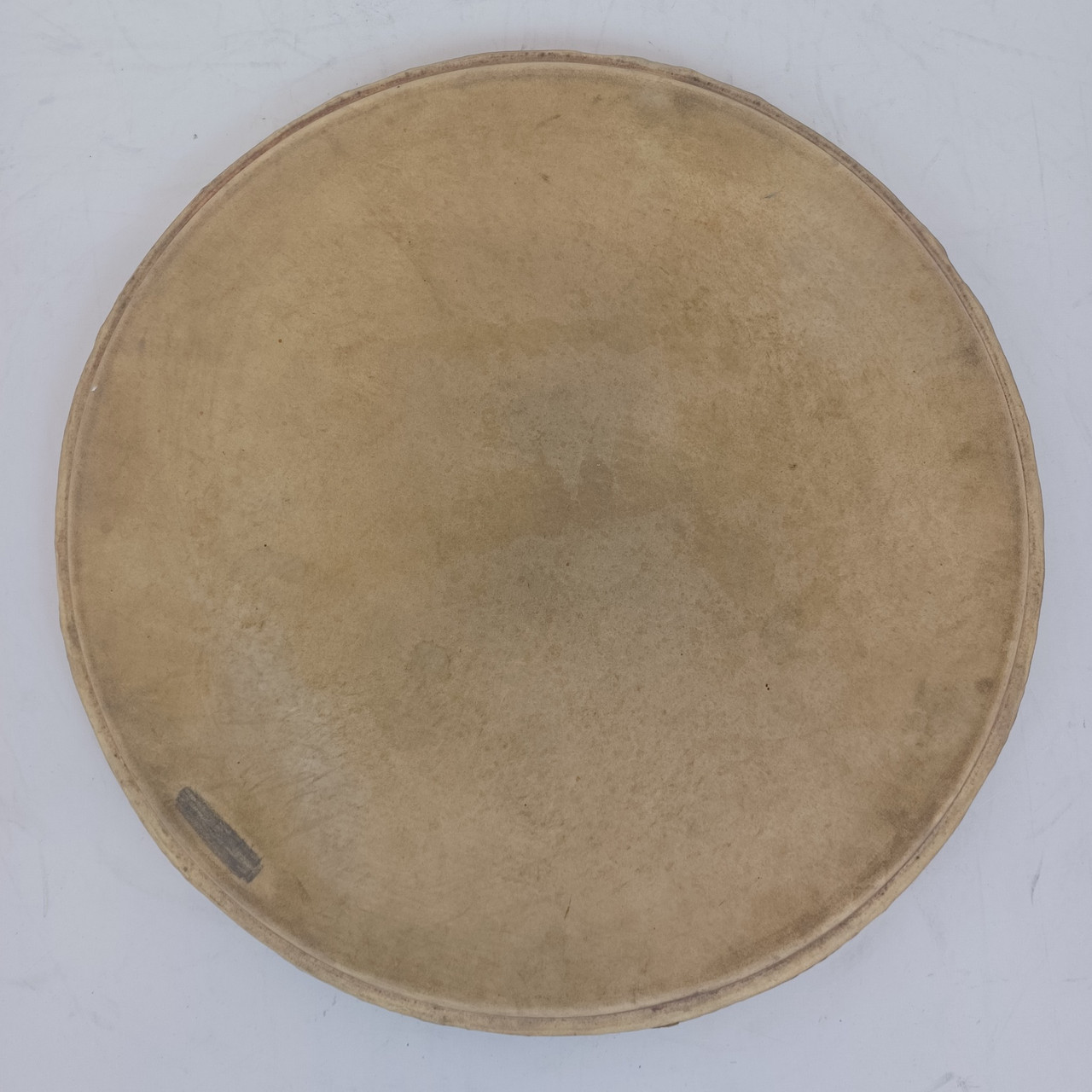
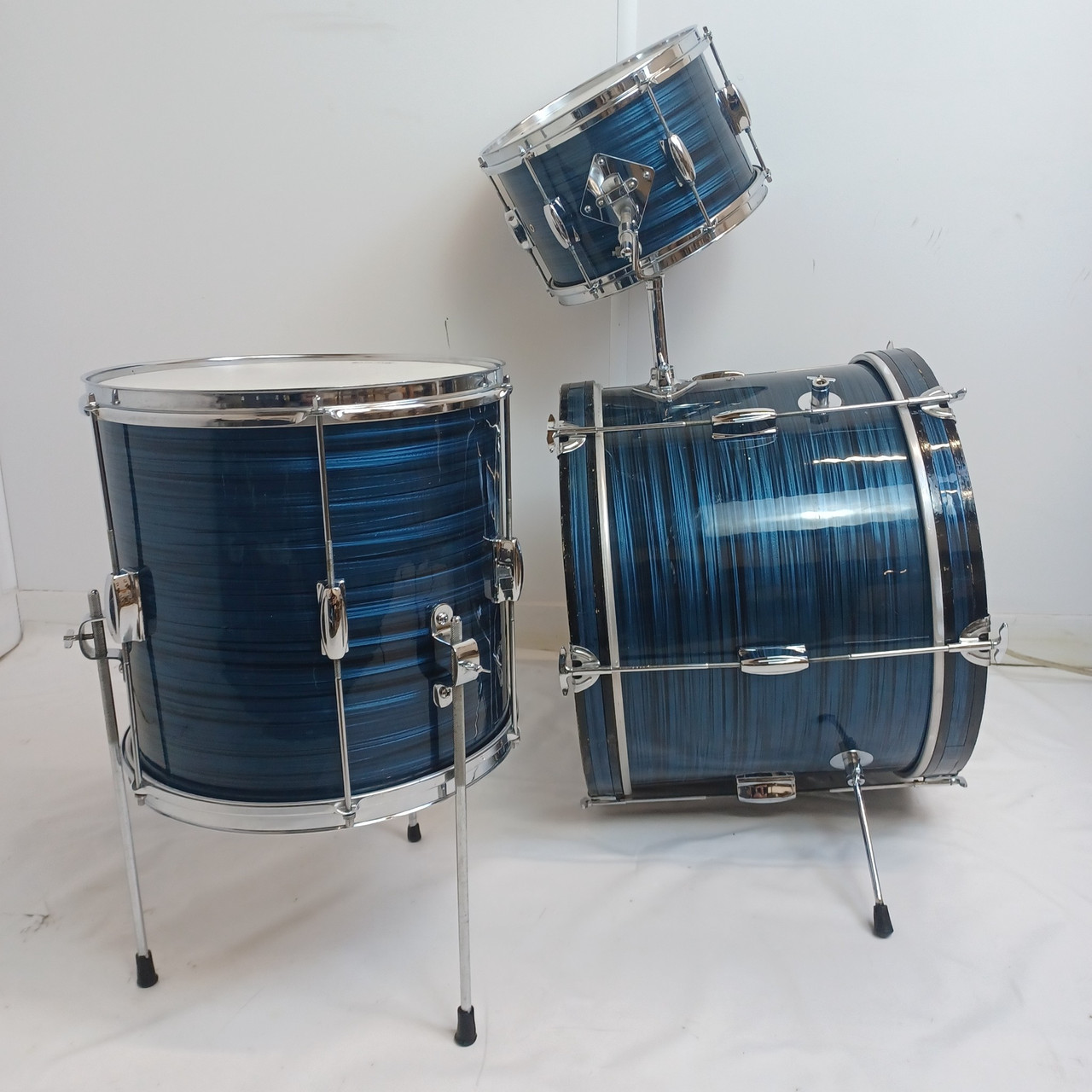
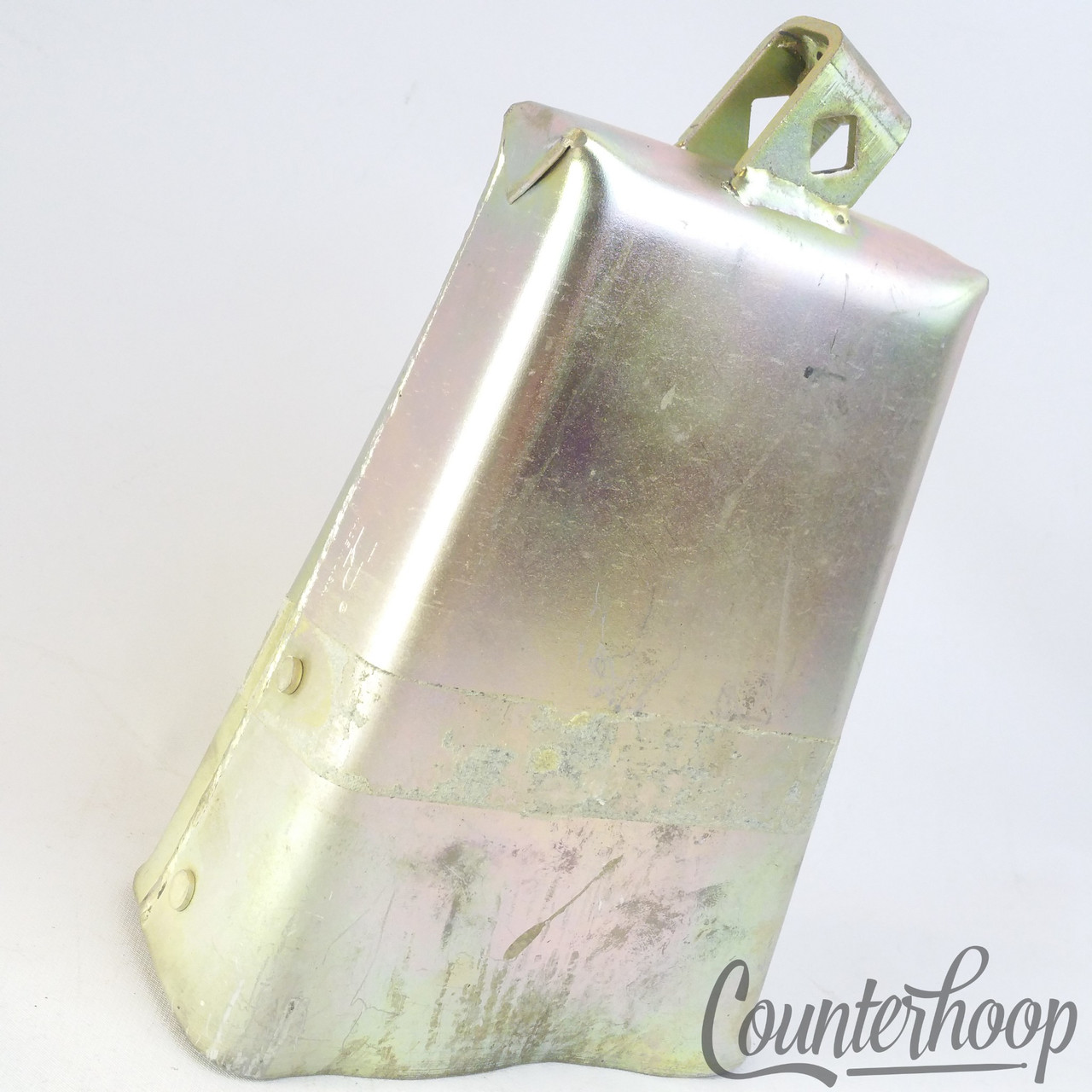
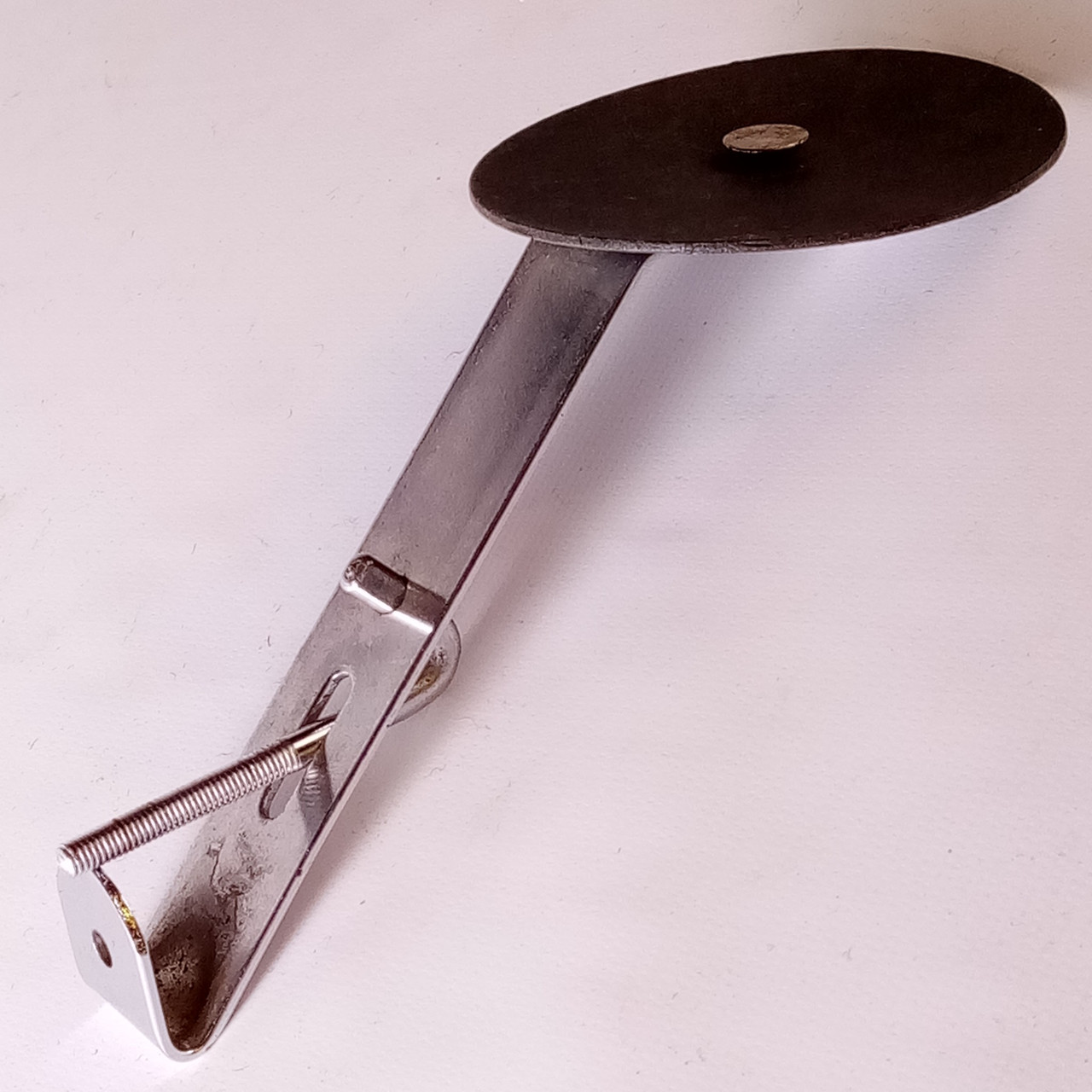
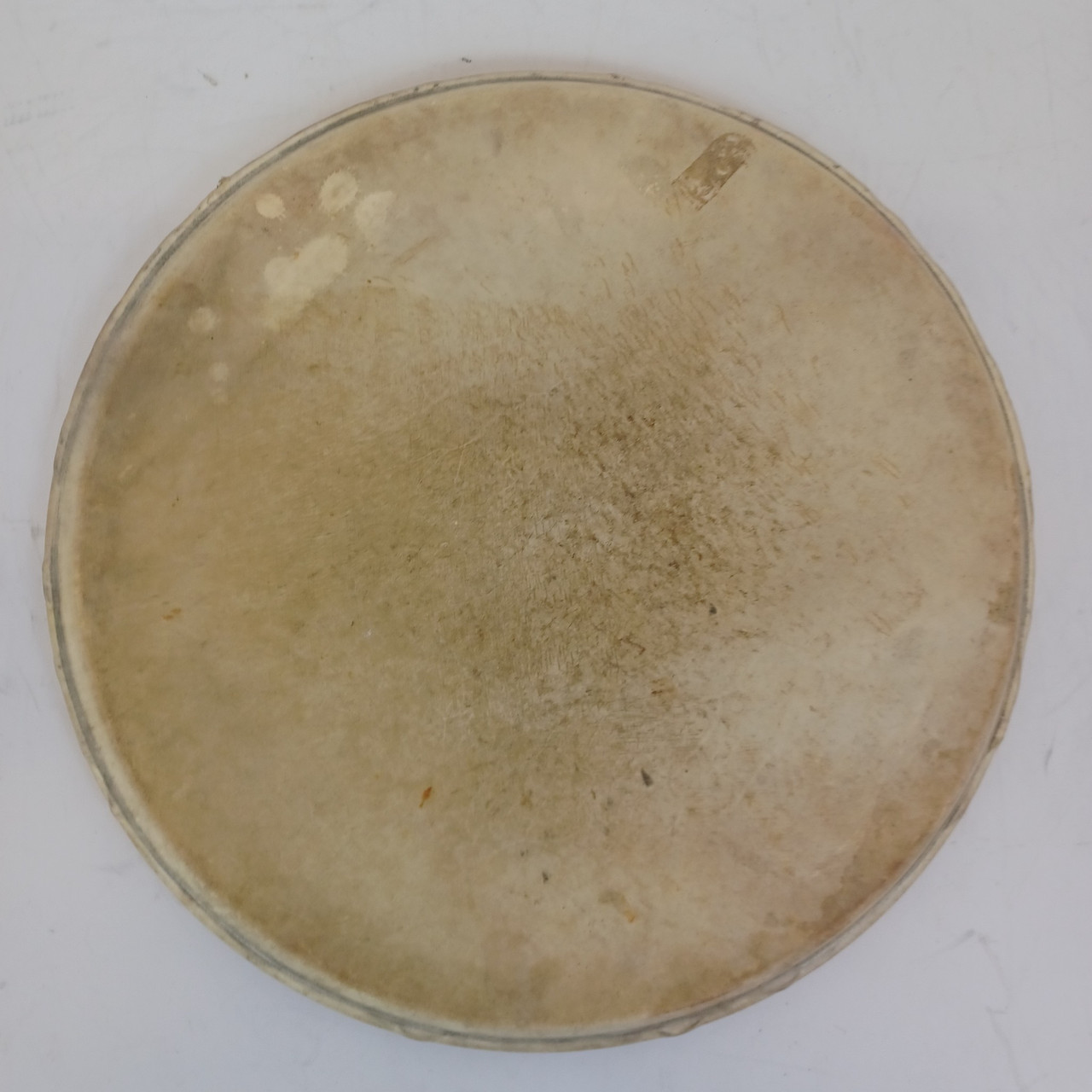
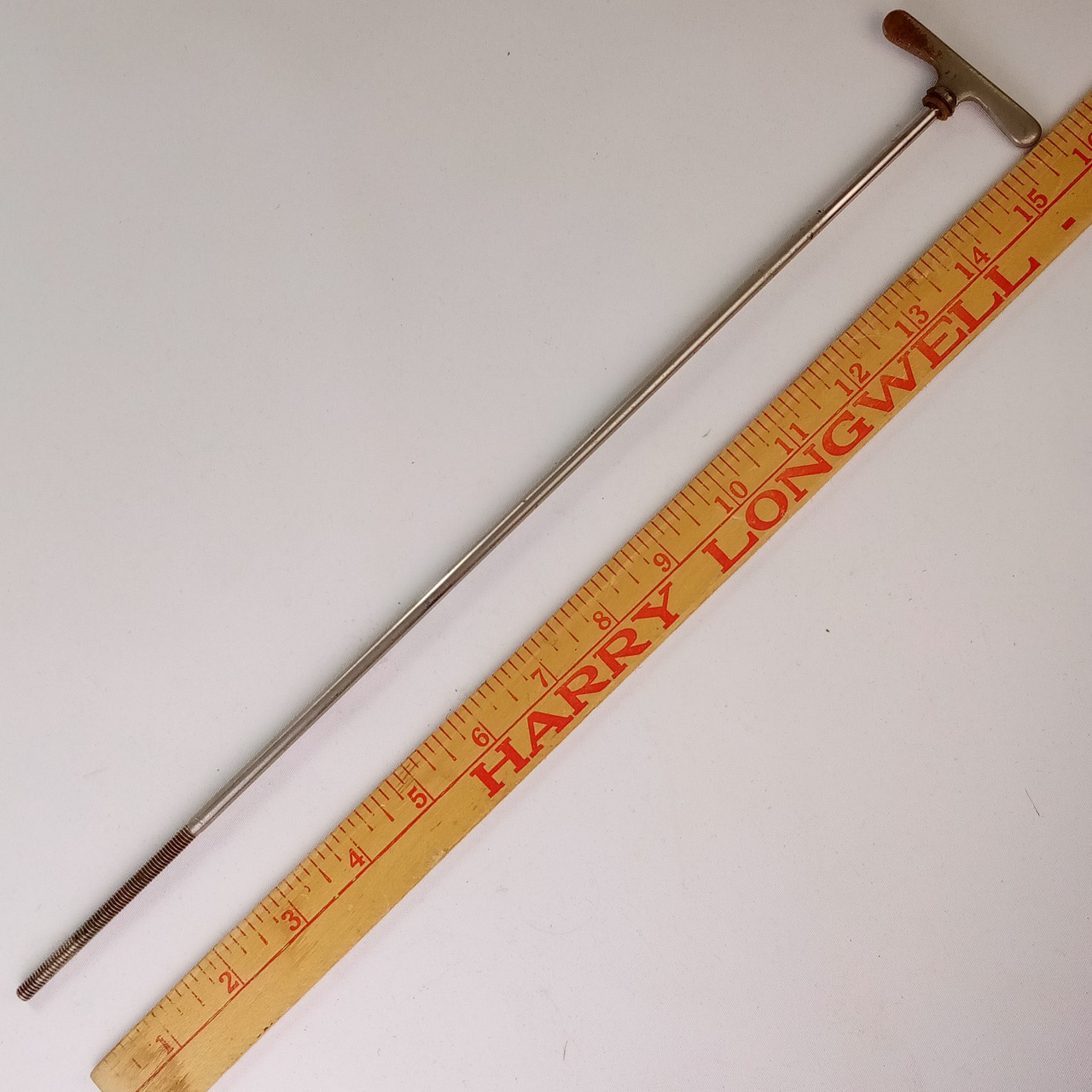
In stock now: vintage drums

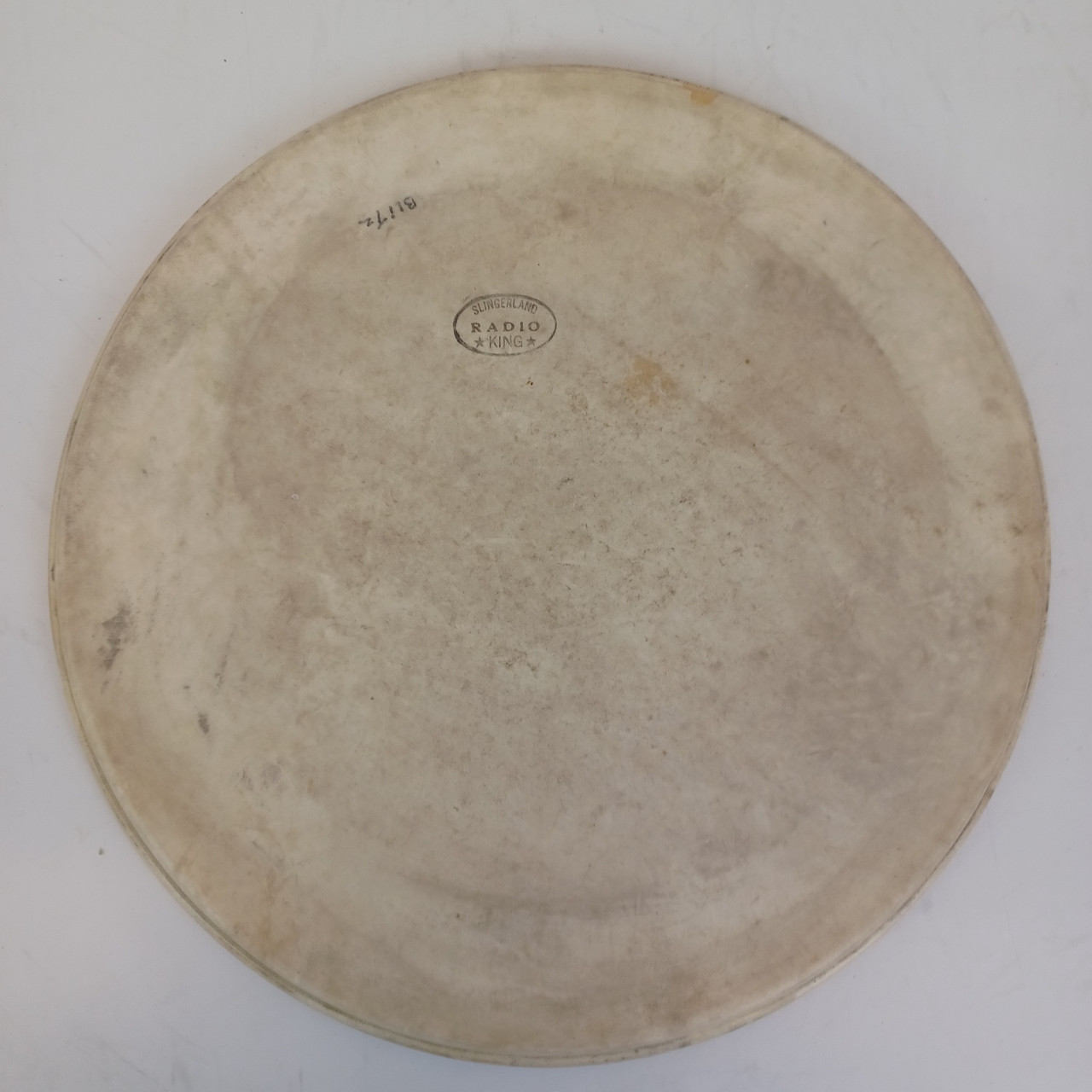
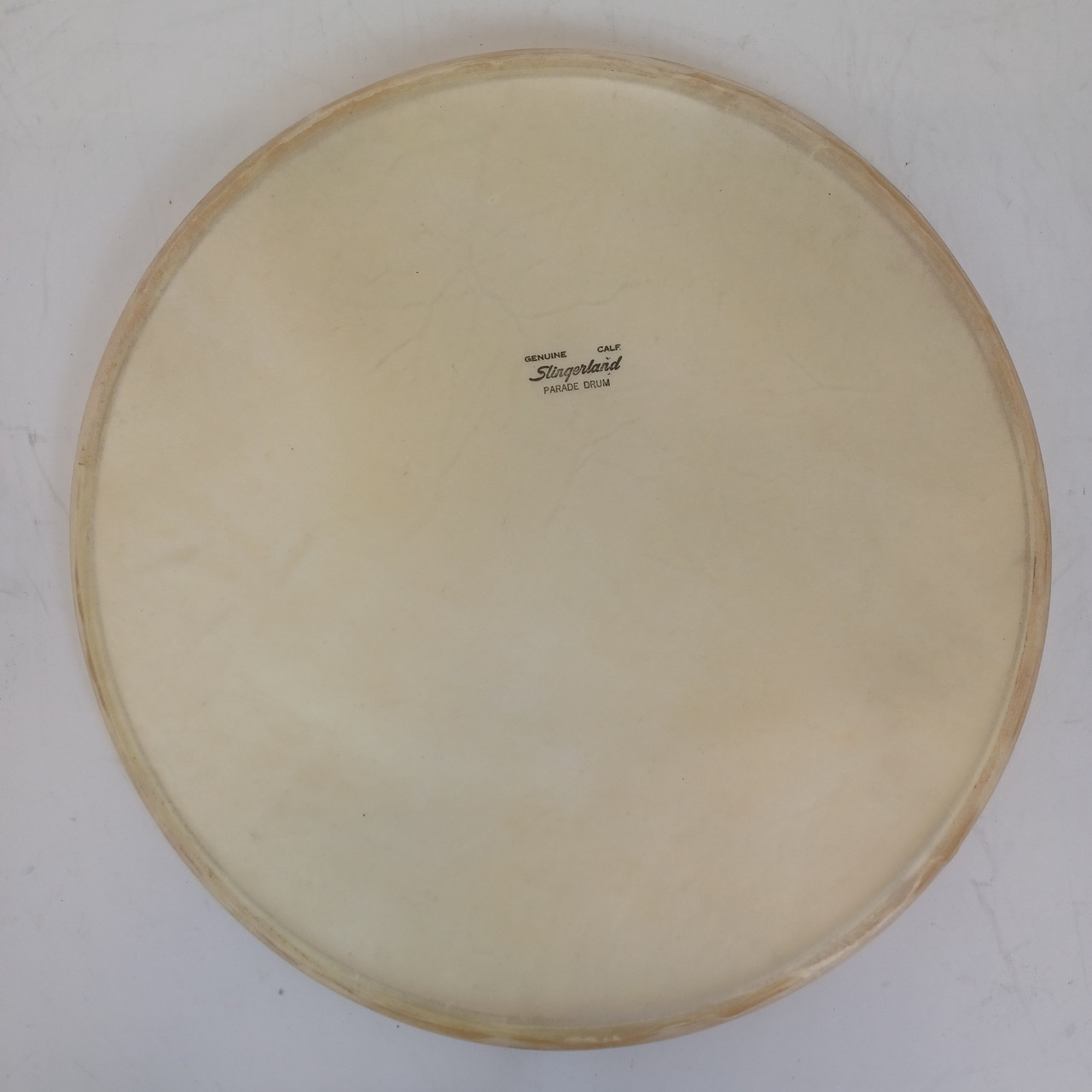
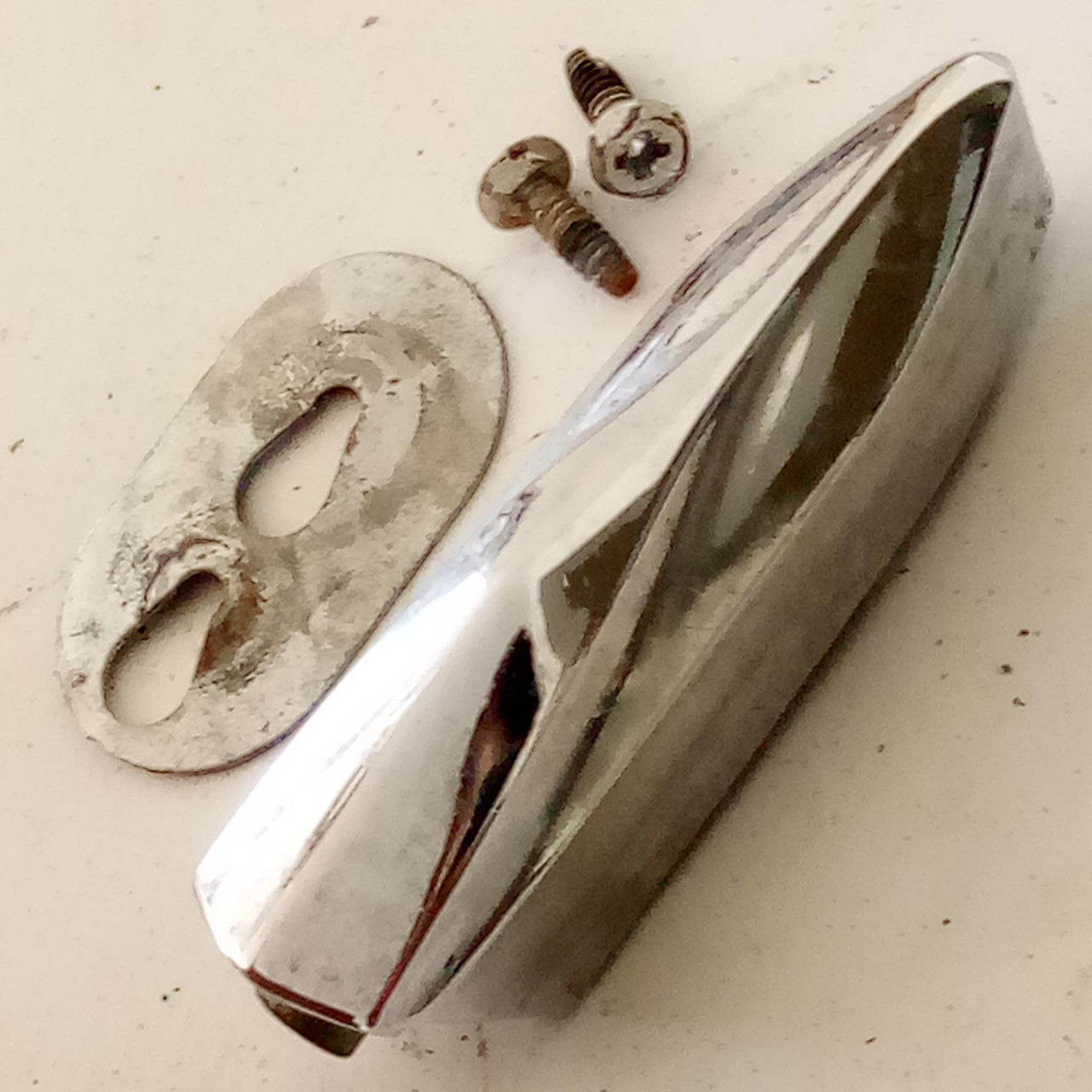
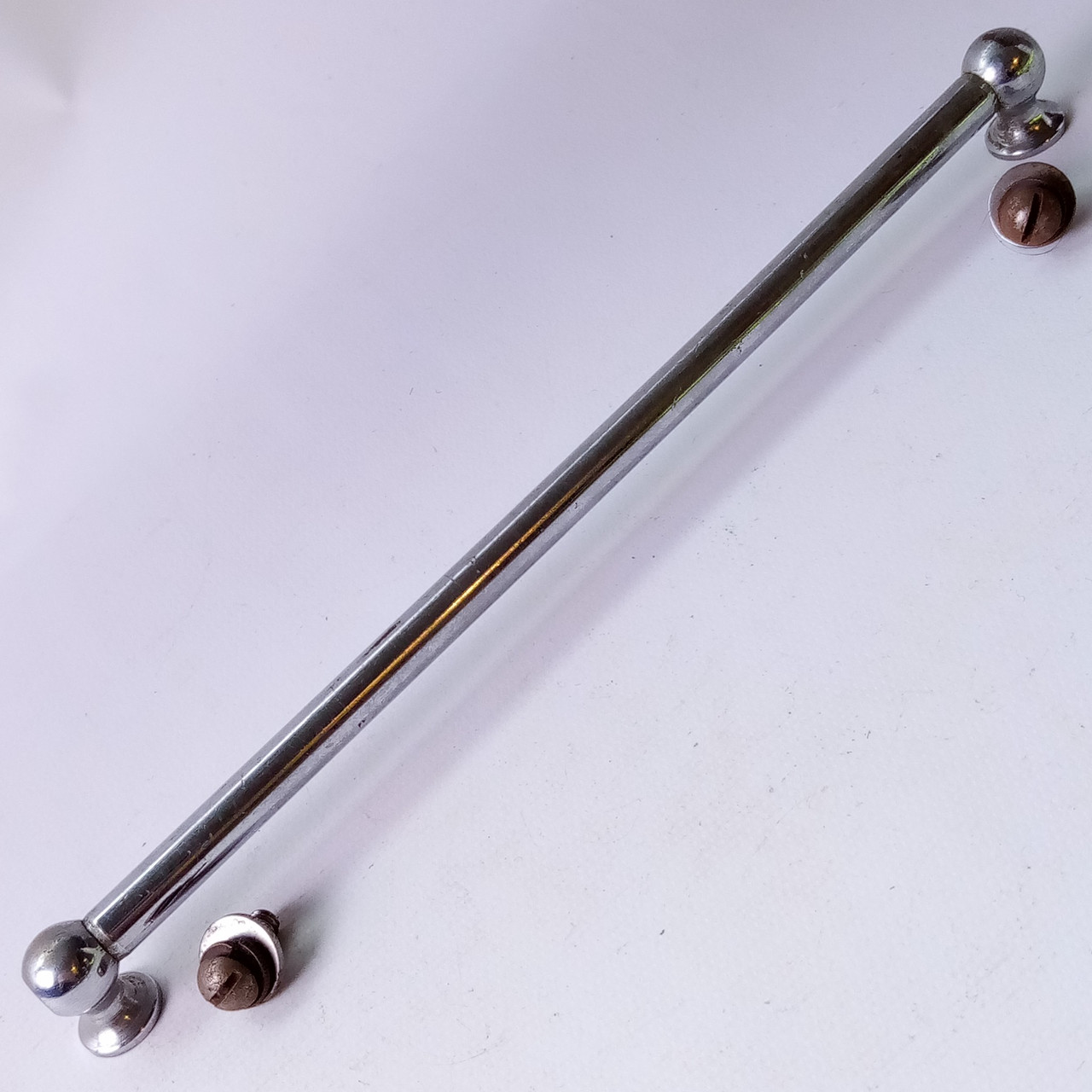
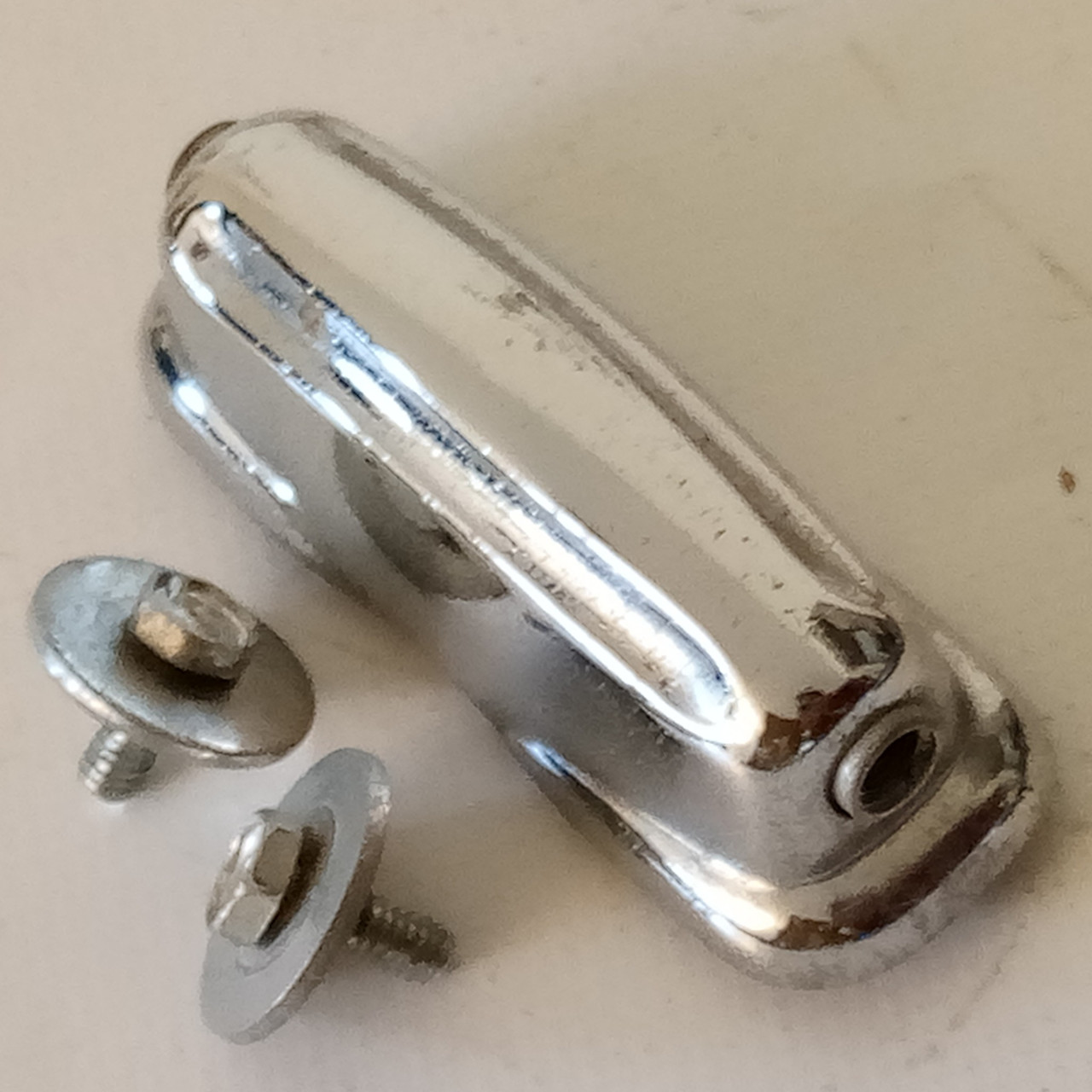
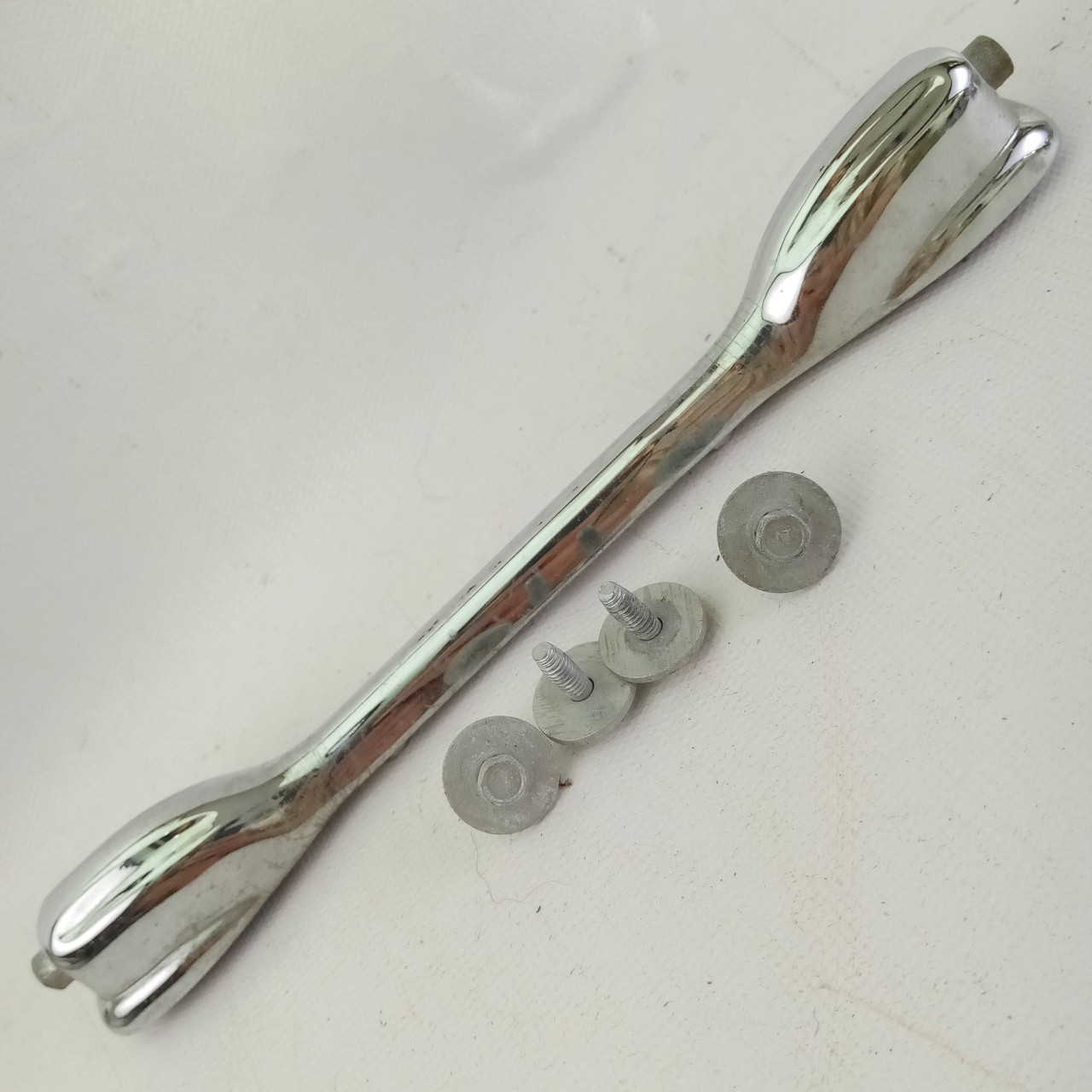
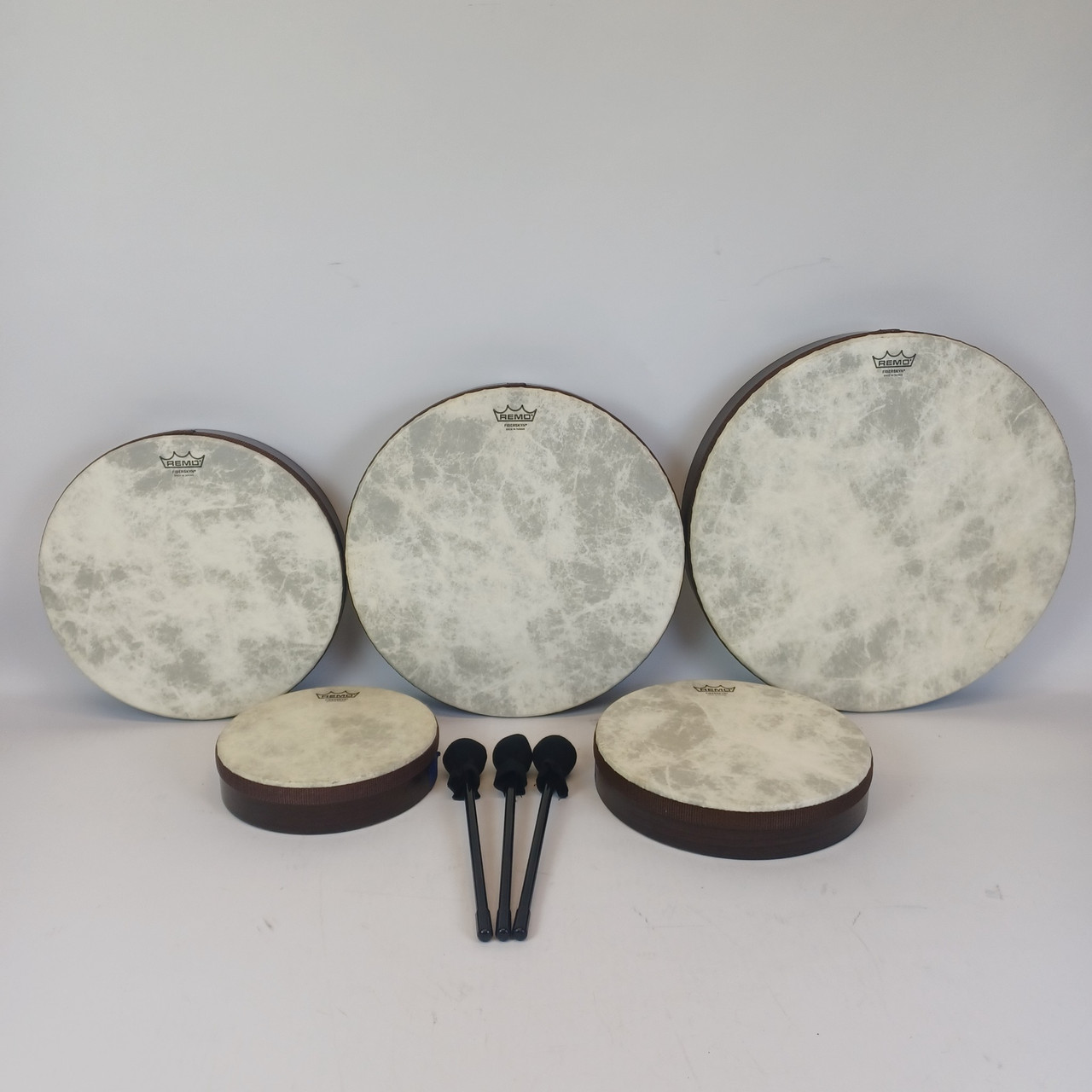
Frequently asked questions
What counts as a vintage drum?
We call acoustic drums and cymbals from roughly the 1920s through the 1990s vintage: 3-ply maple shells with reinforcement rings, brass and steel snares, hand-hammered B20 cymbals, and the hardware that keeps them playing. Every listing shows its maker, era cues, and condition honestly.
How do I match a replacement part to my drum?
Measure before you buy: lug hole spacing center-to-center in inches, tension-rod thread pitch (12-24 for most vintage American drums, 10-24 for older designs), and hoop diameter plus lug count. Every part page lists the measurements we recorded from the part in hand.
Are your drums original or restored?
Both, and we say which: original wraps, edges, and hardware are stated as such, and any re-wrap, re-drill, or replacement part is disclosed in the description and photos. Collector value lives in originality, so we never guess.
What happens when a drum sells?
It moves to our archive of past listings — a photographed reference library. The hub below always shows only what is actually in stock.
How do I date a drum by its badge?
Badge first, serial second: Ludwig keystone marks 1960-69 and blue/olive marks 1969 onward; Gretsch round badge marks the prized 1950s and stop-sign the 1960s; Slingerland cloud badge marks the 1930s-50s Radio King peak; Rogers Cleveland/Dayton predates Fullerton. The badge timeline in the matrix below gives the curated cue per maker and era.
What lug hole spacings will I find?
Same-brand lugs from different eras drill differently, so always measure your shell center-to-center rather than trusting the brand name. The spacing table below lists the most frequent hole spacings measured across our live stock and the archive, with specimen counts on every figure.
Which thread pitch do my tension rods need?
Most vintage American drums use 12-24; older and single-tension designs (Leedy, early Ludwig, Walberg & Auge) use 10-24; older European hardware is metric and interchanges with nothing American. A 12-24 rod starts in a 10-24 lug then seizes, so verify before forcing anything. The pitch table below is measured from our catalog specimens.
What shell diameters and depths should I expect?
Snares cluster at 14-inch diameters in 5, 5.5, and 6.5-inch depths; kicks at 20, 22, and 24 inches by 14; toms complete kits only when depth, diameter, wrap, and badge era all agree. The diameter table below shows what our live stock and archive actually hold — match the drum to the kit you are completing.