In stock › Guides › Vintage Vinyl Pressings, Matrix Runouts & Goldmine Grading Guide
Vintage Vinyl Pressings, Matrix Runouts & Goldmine Grading Guide
Reference guide · counts measured from photographed specimens · updated 2026-11-12
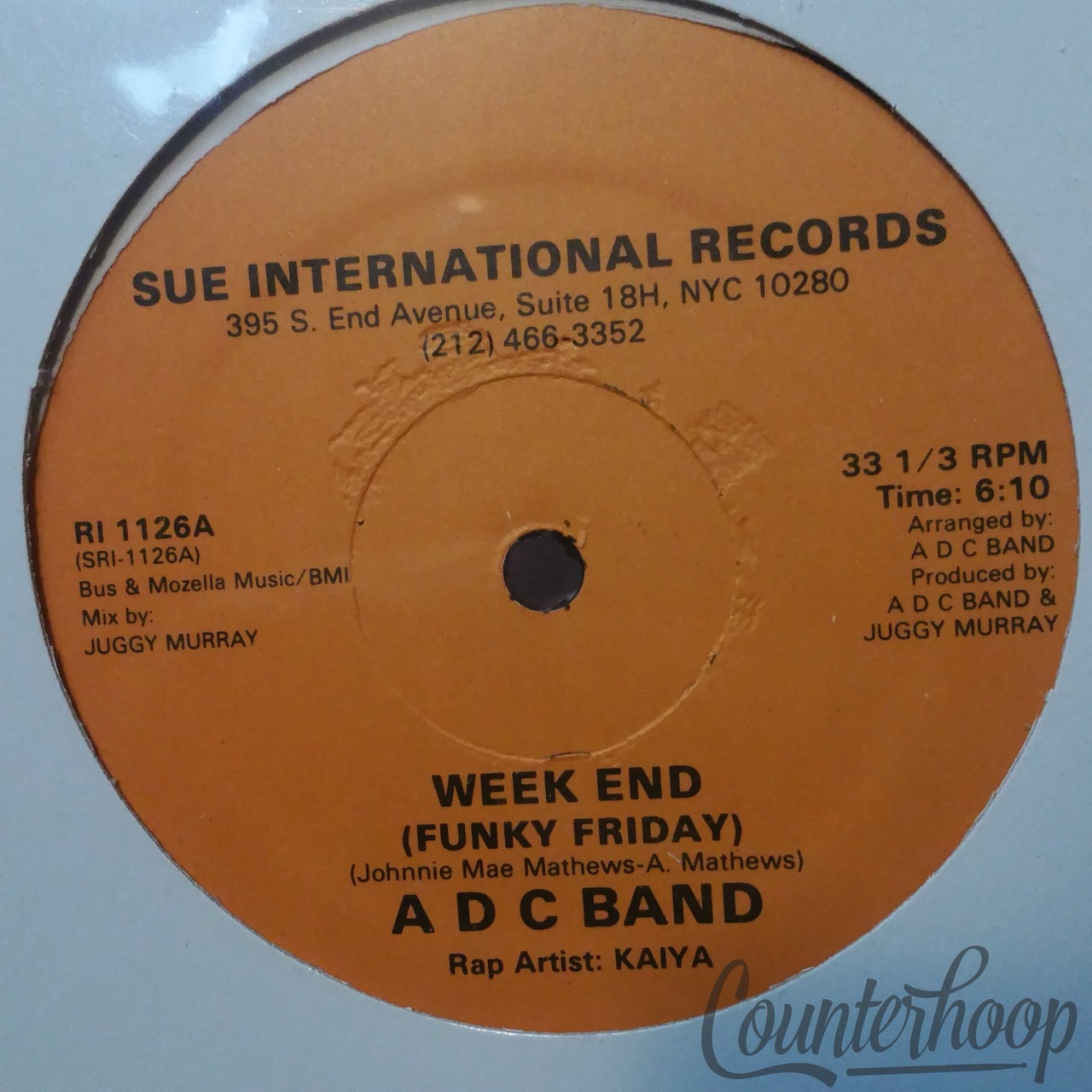
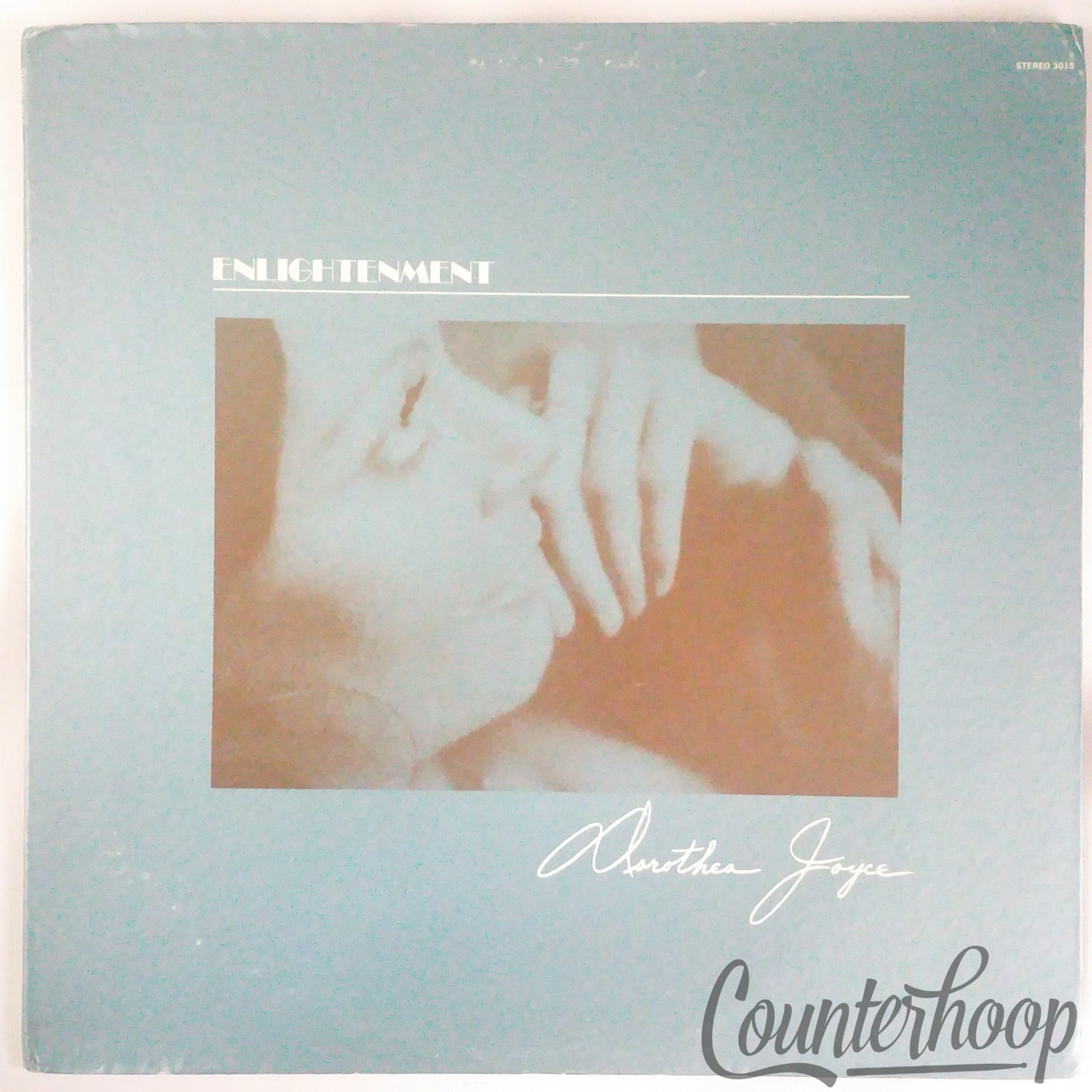
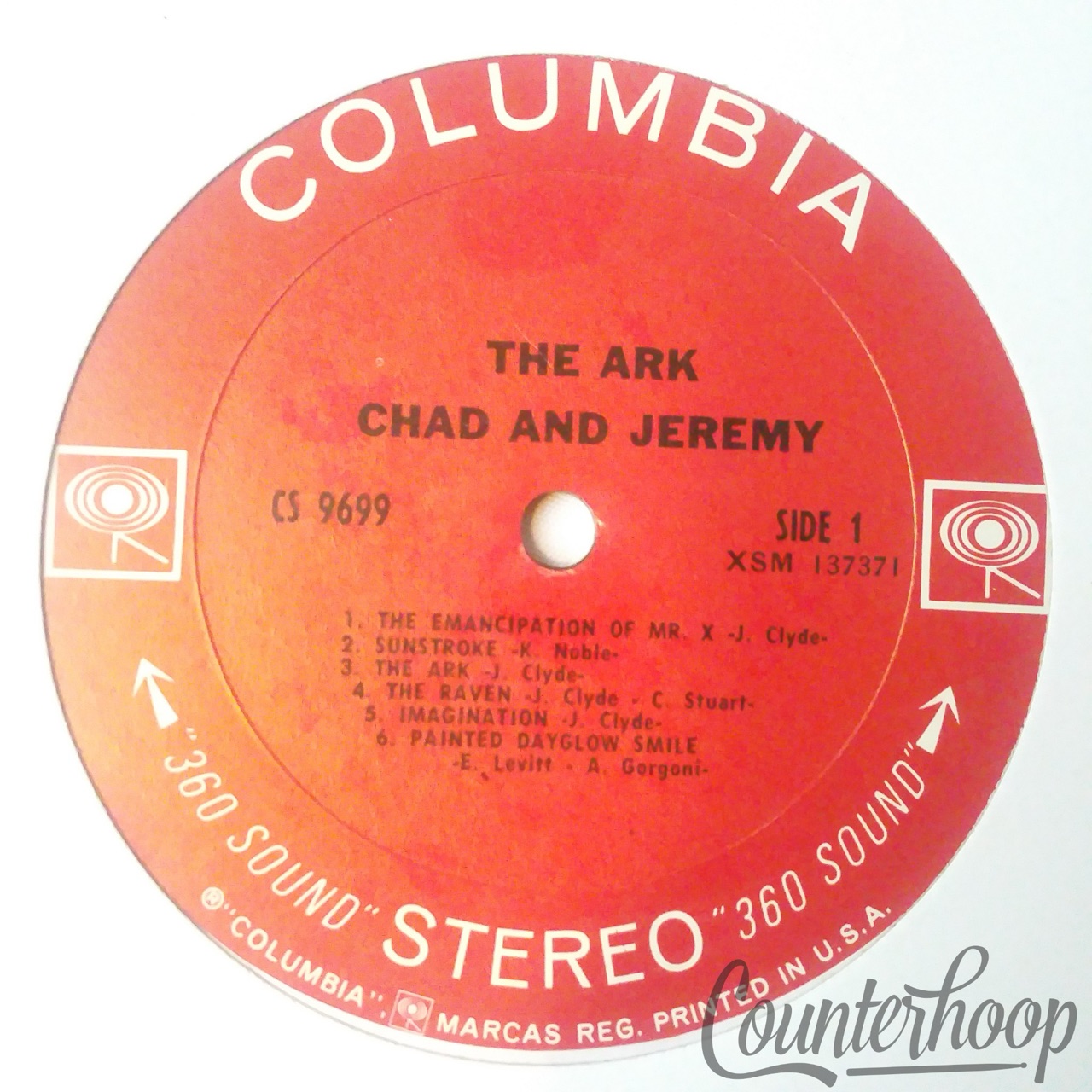
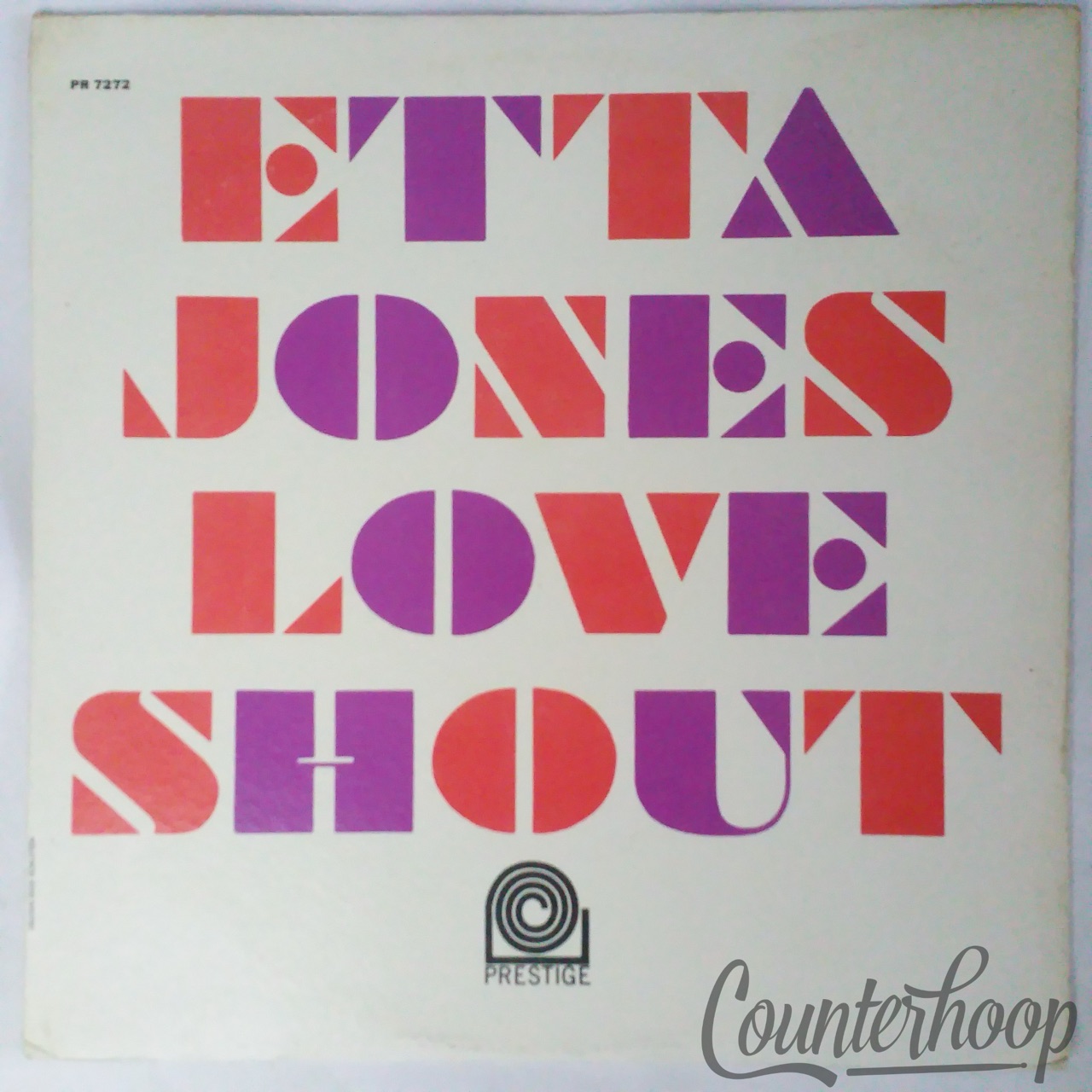
A pressing is identified by what the record shows, never by the sleeve hype: the label design and catalog number, the deadwax matrix runout etched or stamped each side, the cover slicks and inner sleeves, and the weight and profile of the disc itself. Original pressings carry first-issue labels with matching matrices; reissues and represses carry later label designs or different runouts. We print the label, catalog number and every deadwax cue we can read so you can verify the pressing yourself — when we can confirm an original, reissue or repress we say so, and when the cues are ambiguous we describe exactly what we see instead of claiming a pressing we cannot prove.
Condition is graded on the Goldmine visual scale collectors use everywhere: NM (near mint) is essentially unplayed, VG++ is clean gloss with faint marks, VG+ has light marks without feel, VG shows visible marks that still play through, and anything below is priced as a filler copy. Sleeves grade on the same ladder — ring wear, seam splits and writing are always disclosed. Grades are visual under bright light unless the listing says the copy was play-checked; a play-grade appears only when we played the record, and we say so.
Records travel outside their sleeves in snug LP mailers with stiffeners, so the disc can never split a seam in transit; 45s ship with their adapters secured and box sets get an outer box. The same one-of-a-kind stock is listed here, on eBay and on Reverb with the same grades — buy wherever is convenient, every order carries the same 30-day return window, and when a record sells it leaves all three shelves at once for the archive. The tables below are measured from our own record pool — decades, genre shelves and format cues counted live plus archived — so you can see exactly what the shelf holds.
Pressings by release decade
Decades come from year tokens printed in the listing — the record's release era, not a drum era. Undated means the title carries no year.
| Decade | In stock | Archived |
|---|---|---|
| Pre-1950 | 1 in stock | 8 archived |
| 1950s | 3 in stock | 31 archived |
| 1960s | 12 in stock | 139 archived |
| 1970s | 36 in stock | 325 archived |
| 1980s | 16 in stock | 153 archived |
| 1990s+ | 10 in stock | 139 archived |
| Undated | 65 in stock | 394 archived |
Genre shelves named in titles
Counts titles naming each word — a content cue for browsing, not a claimed pressing genre. A funk-soul crossover counts on both shelves.
| Shelf | In stock | Archived |
|---|---|---|
| gospel | 8 in stock | 18 archived |
| rock | 5 in stock | 39 archived |
| jazz | 3 in stock | 86 archived |
| funk | 3 in stock | 55 archived |
| soul | 3 in stock | 33 archived |
| disco | 3 in stock | 12 archived |
| pop | 1 in stock | 12 archived |
| folk | 1 in stock | 9 archived |
| classical | 1 in stock | 7 archived |
| latin | 1 in stock | 7 archived |
| country | 1 in stock | 4 archived |
| hip-hop | 1 in stock | 2 archived |
| blues | 0 in stock | 20 archived |
| soundtrack | 0 in stock | 9 archived |
| r&b | 0 in stock | 4 archived |
| punk | 0 in stock | 3 archived |
| metal | 0 in stock | 1 archived |
| reggae | 0 in stock | 1 archived |
Format & sleeve cues named in titles
Explicit cues only — a bare 12-inch disc with no LP token counts as 12-inch, never as a claimed pressing. Sleeve cues describe the cover named in the title.
| Cue | In stock | Archived |
|---|---|---|
| LP | 2 in stock | 47 archived |
| 12-inch | 6 in stock | 71 archived |
| 45 / 7-inch single | 1 in stock | 7 archived |
| 78 RPM | 1 in stock | 6 archived |
| Box set | 2 in stock | 18 archived |
| Gatefold sleeve | 1 in stock | 26 archived |
| Shrink-wrap | 7 in stock | 37 archived |
Pressing calls at a glance
| Check | Where | Why it matters |
|---|---|---|
| Label + catalog number | Both sides | First-issue labels mark original pressings |
| Deadwax matrix runout | Etched/stamped each side | Runouts separate originals, reissues and represses |
| Goldmine visual grade | Vinyl + sleeve | VG++ and up play clean; below is filler-priced |
| Play-grade note | Description | Stated only when the copy was play-checked |
Deep dives: vinyl records hub · vintage goods hub · dictionary.
Matching pieces in stock now
In stock as of 2026-11-12. One-of-a-kind stock sells and the list below is a build-time snapshot — if a piece is gone, its page says so and the archive keeps its record.
In stock now


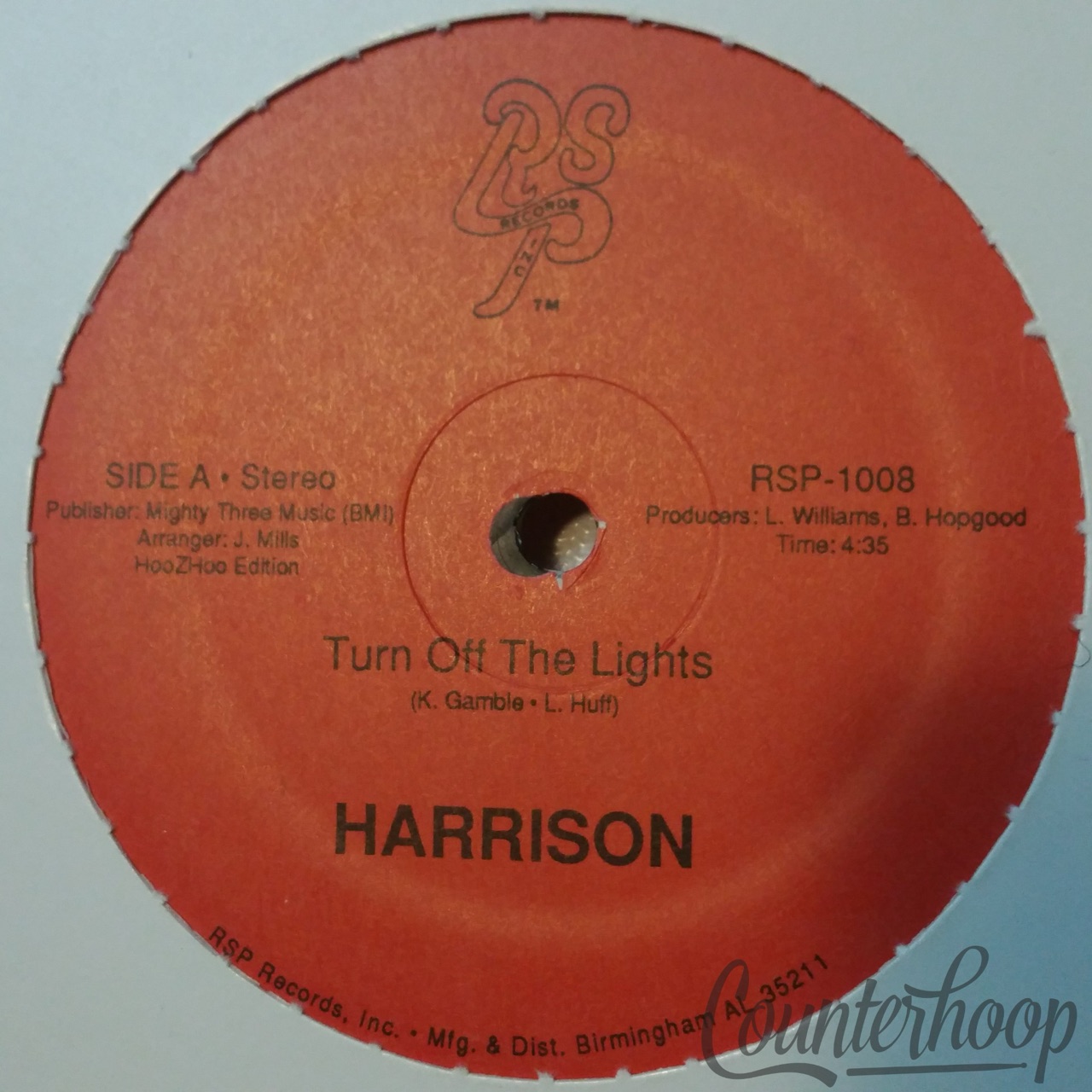
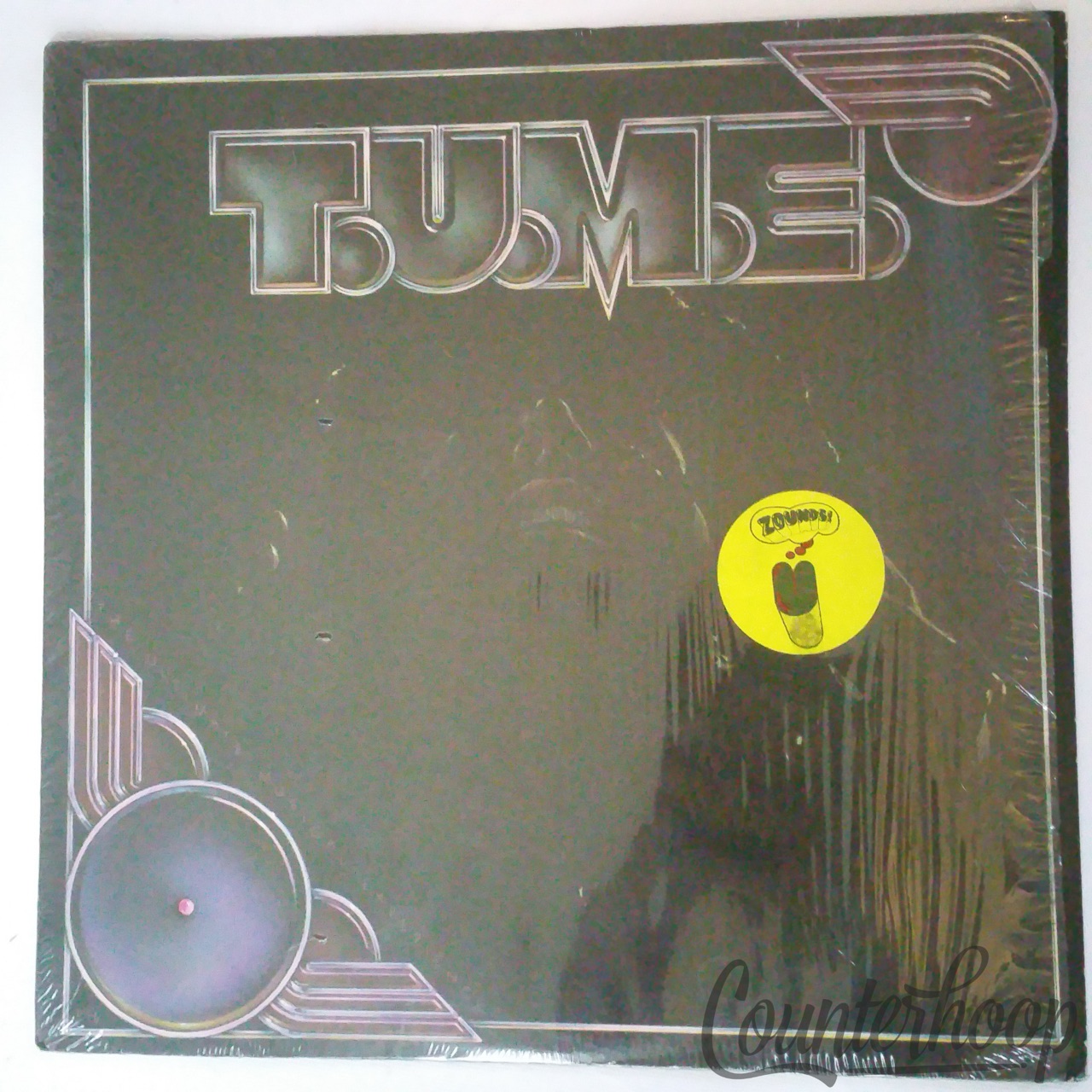

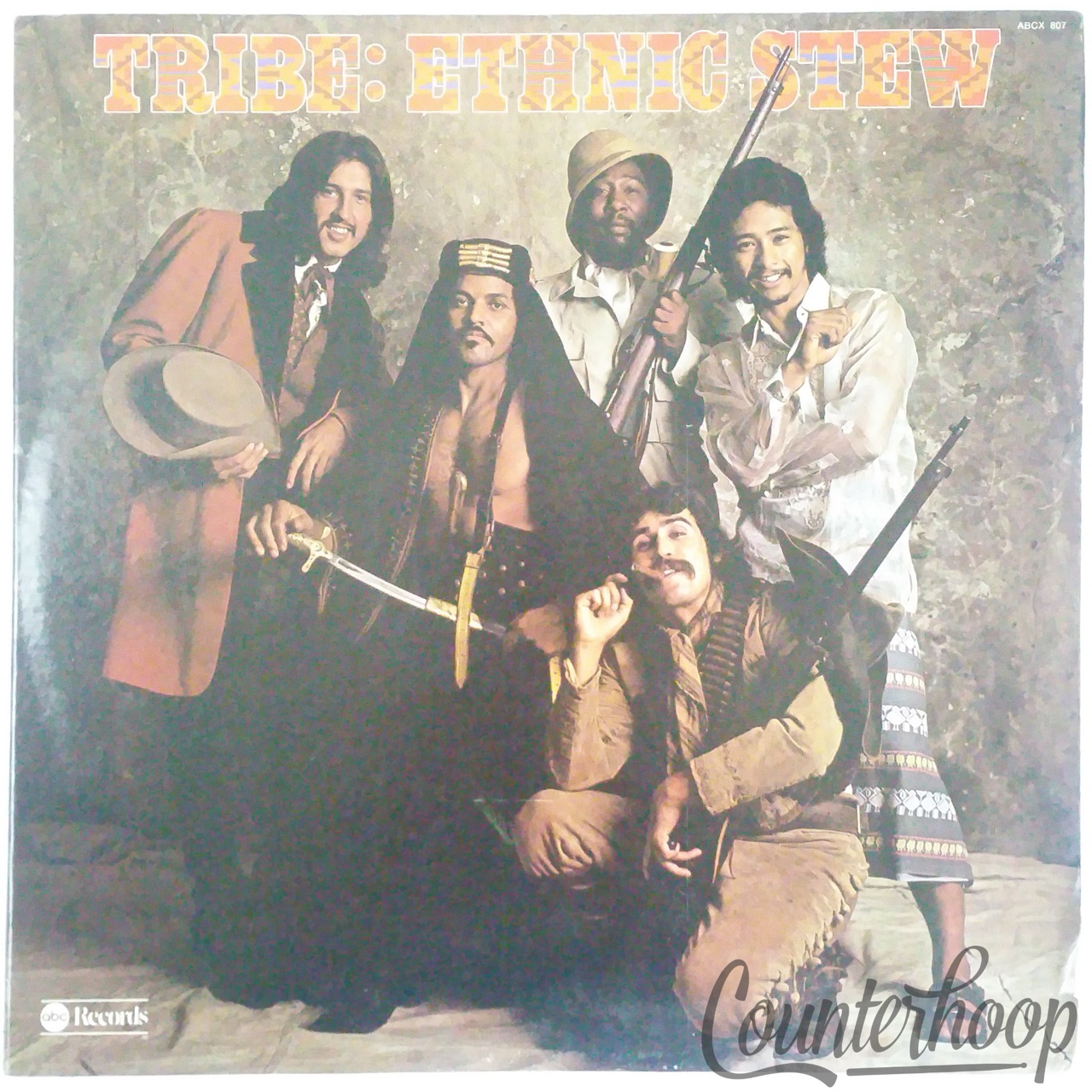
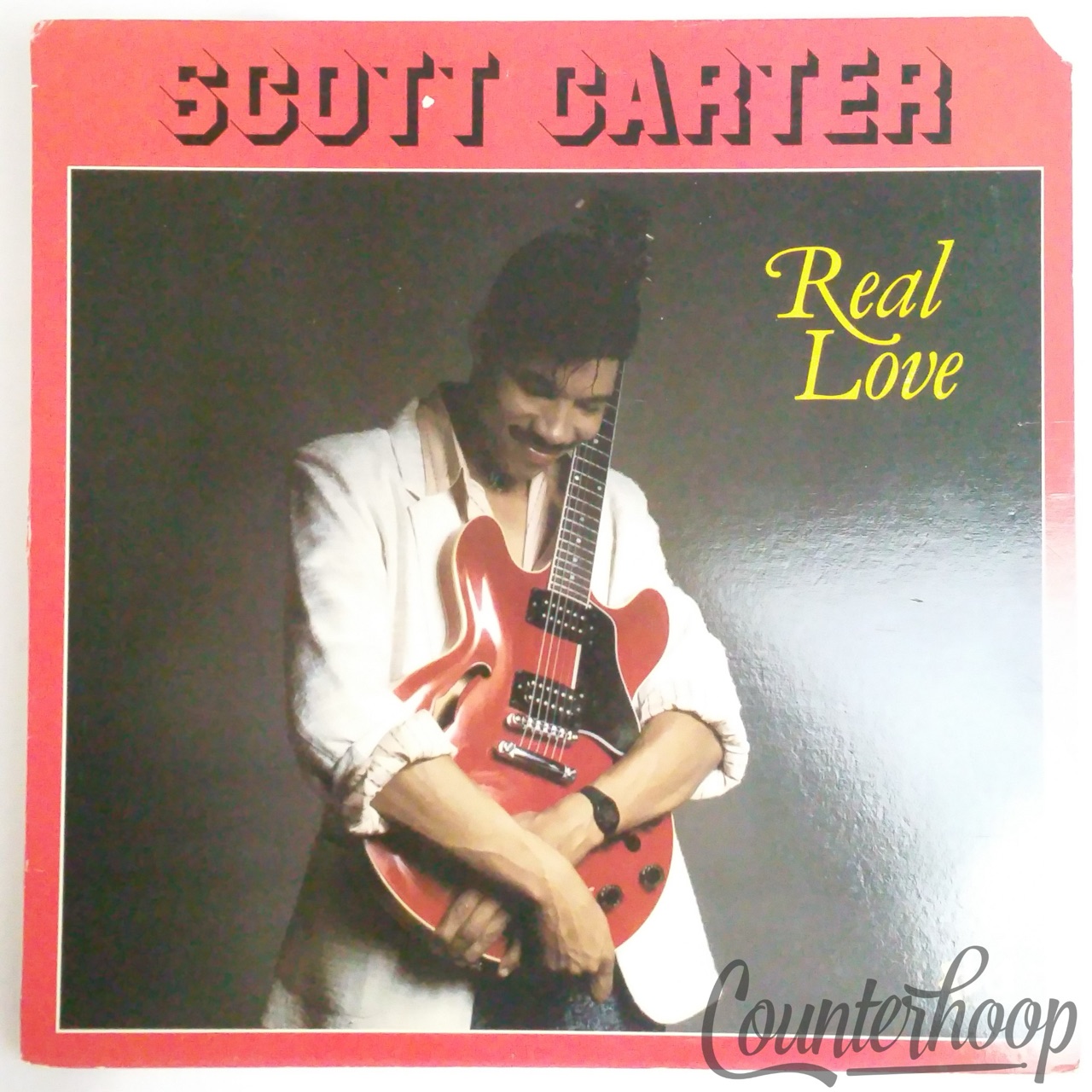

Frequently asked questions
How do you grade vinyl?
By sight under bright light plus sleeve inspection, on the Goldmine ladder: NM, VG++, VG+, VG and below, with sleeve wear graded alongside. A play-grade appears only when we played the copy; otherwise the grade is visual and we say so. Every mark we see is photographed and disclosed — buy the grade, not the hope.
Original pressing or reissue — how do I tell?
Label design first, then catalog number, then the deadwax matrix runout each side. We print every cue we can read in the listing so you can check the pressing yourself. When we can confirm it we name it; when the cues are ambiguous we describe what we see and claim nothing.
Do you carry 45s, 12-inch singles and box sets as well as LPs?
Mostly LPs, with 45s, 12-inch singles and the occasional box set mixed in. Format and speed are stated on every listing — check the title and description before ordering, and the format table below shows which cues our catalog actually names.
How do you pack records for shipping?
Records travel outside their sleeves in snug LP mailers with stiffeners; 45s ship with adapters secured and box sets get an outer box. If a sleeve is fragile we note it and add protection rather than hoping for the best — fully insured, worldwide.