In stock › Guides › Complete Vintage Drum Restoration, Rust Removal & Period-Correct Part Matching Manual
Complete Vintage Drum Restoration, Rust Removal & Period-Correct Part Matching Manual
Reference guide · counts measured from photographed specimens · updated 2026-11-13
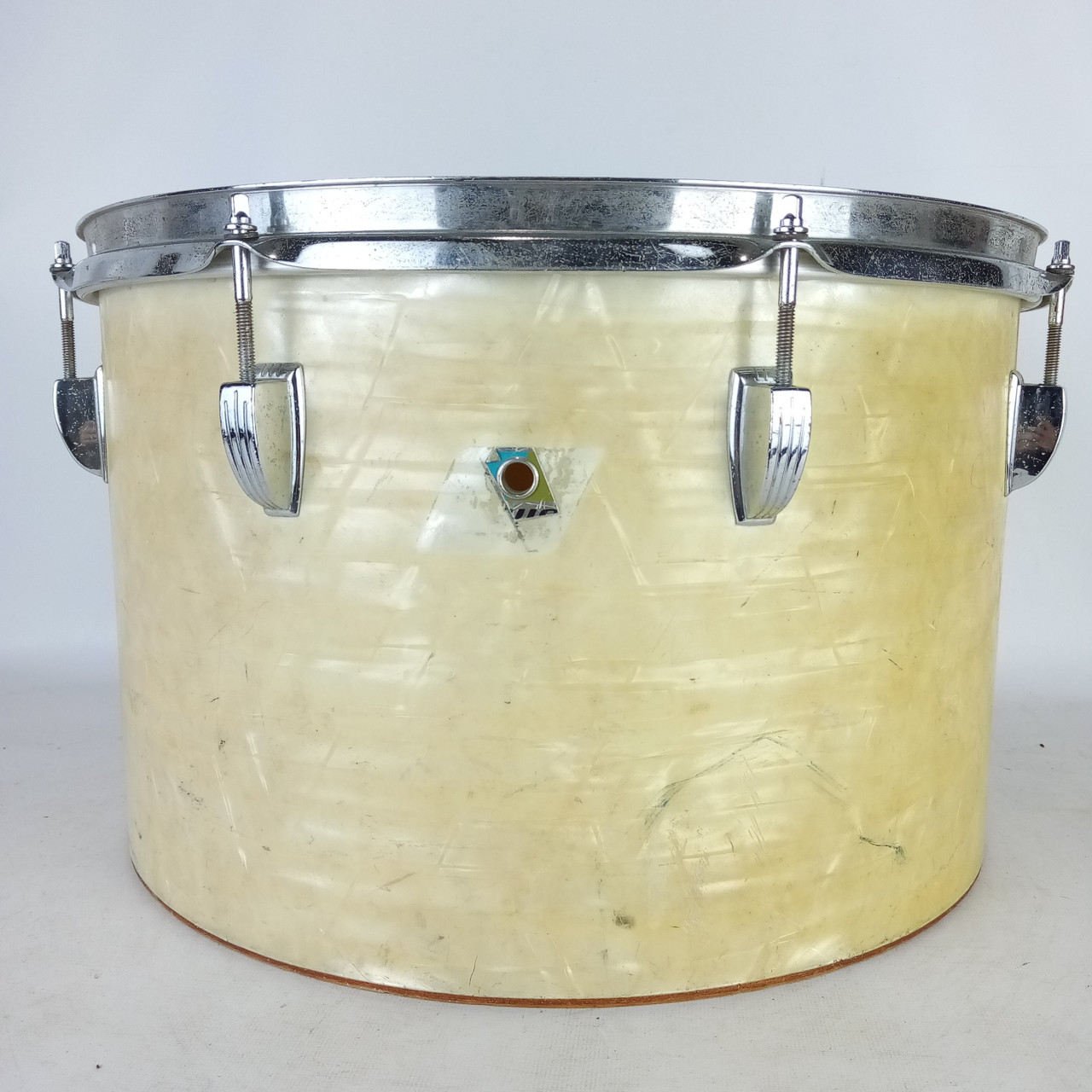
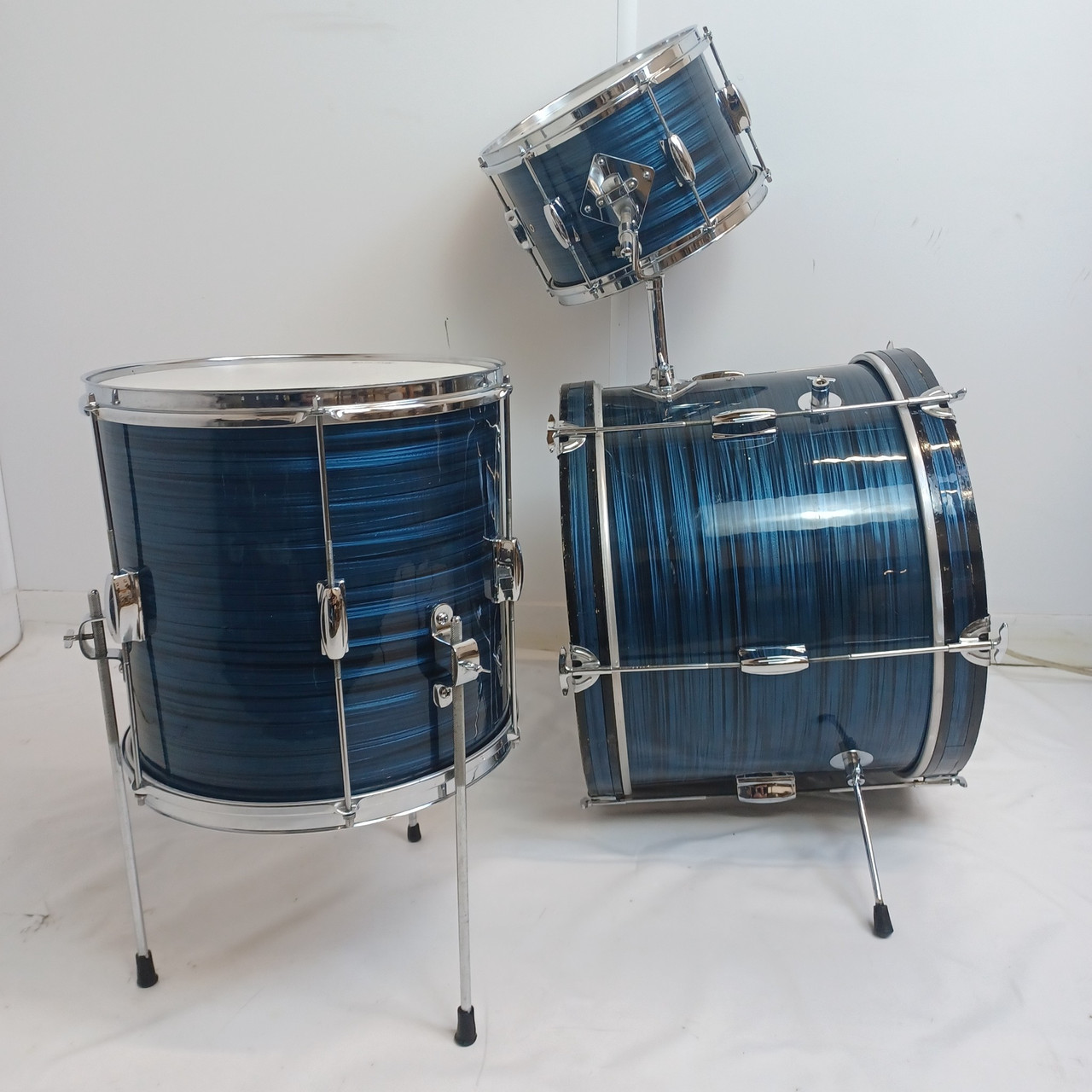
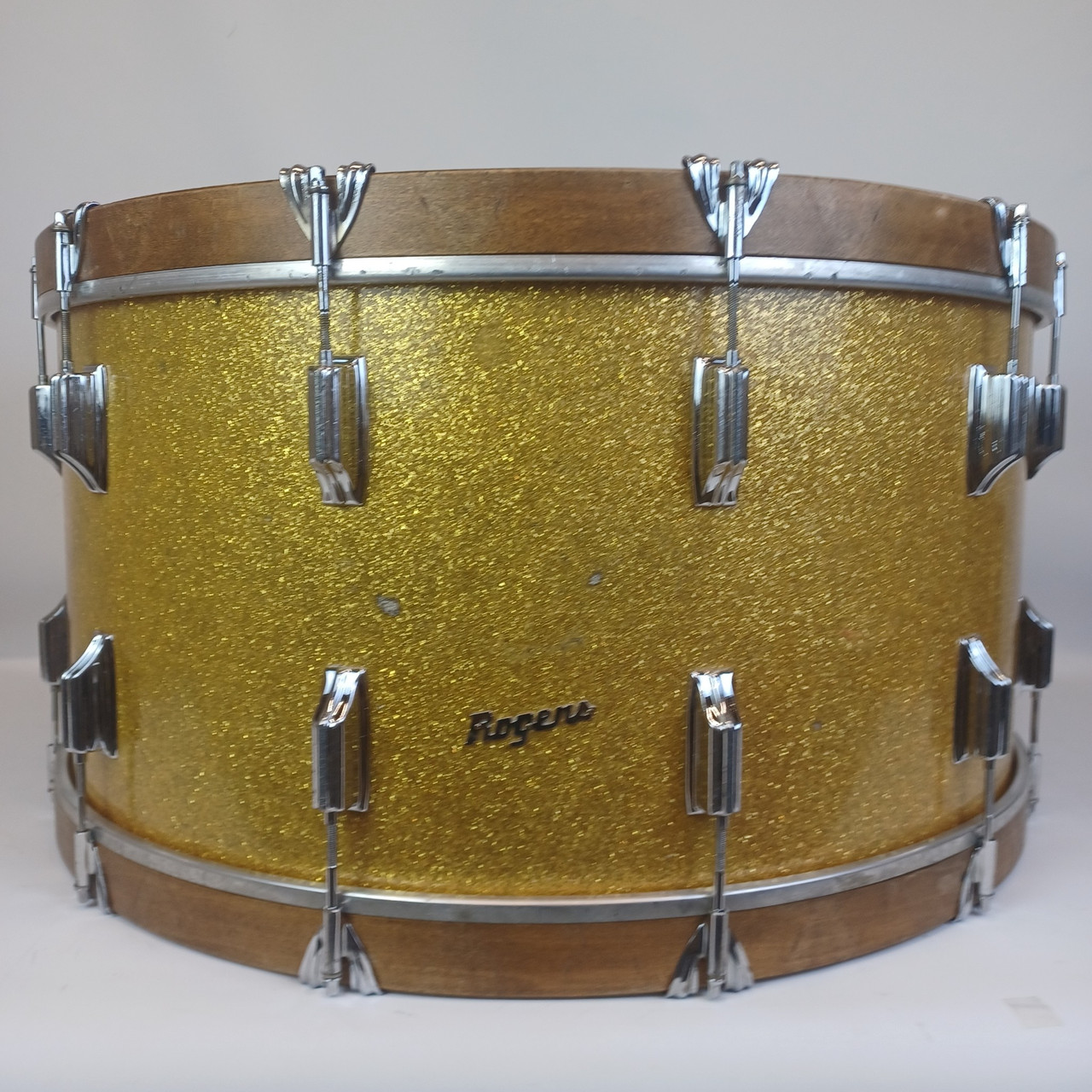
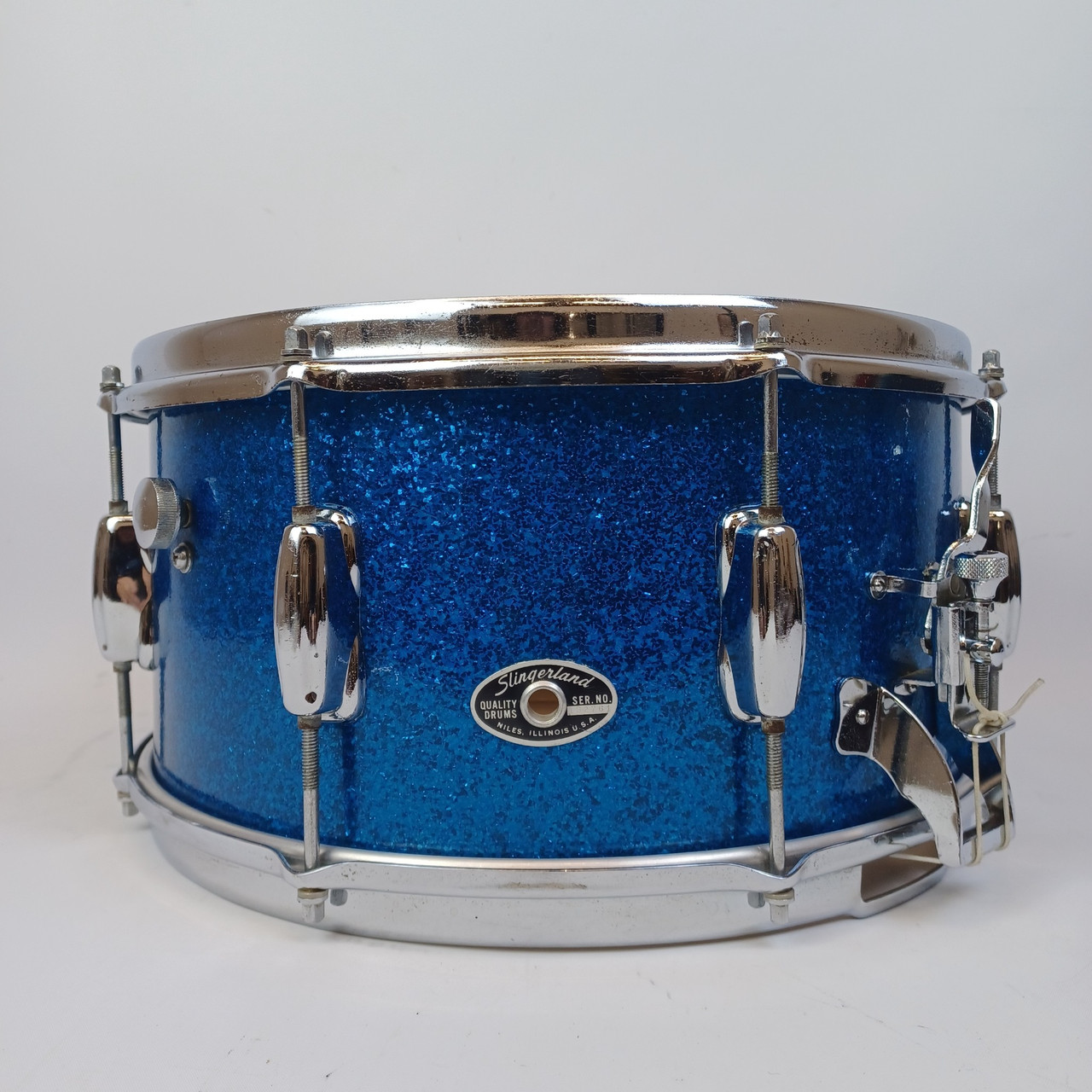
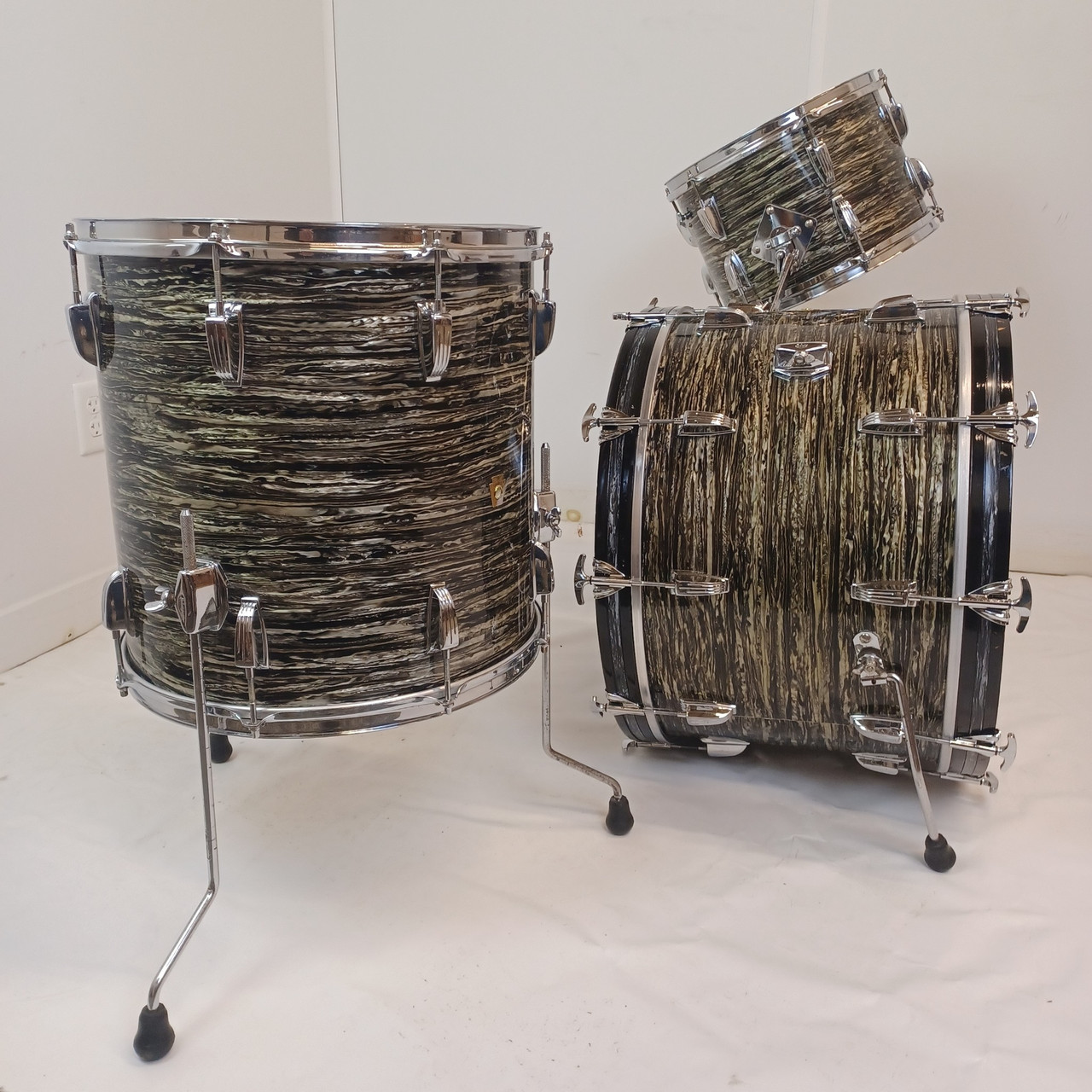
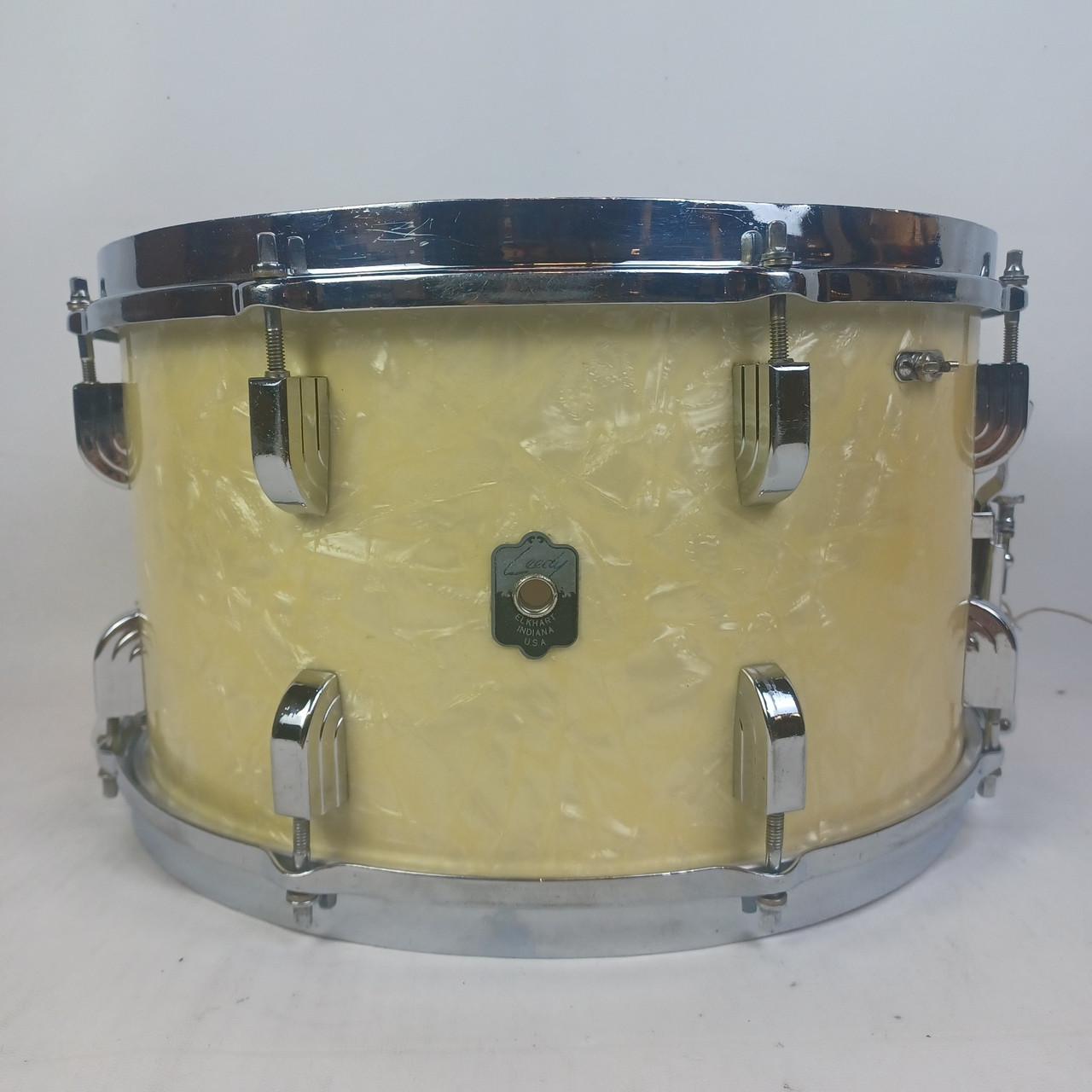
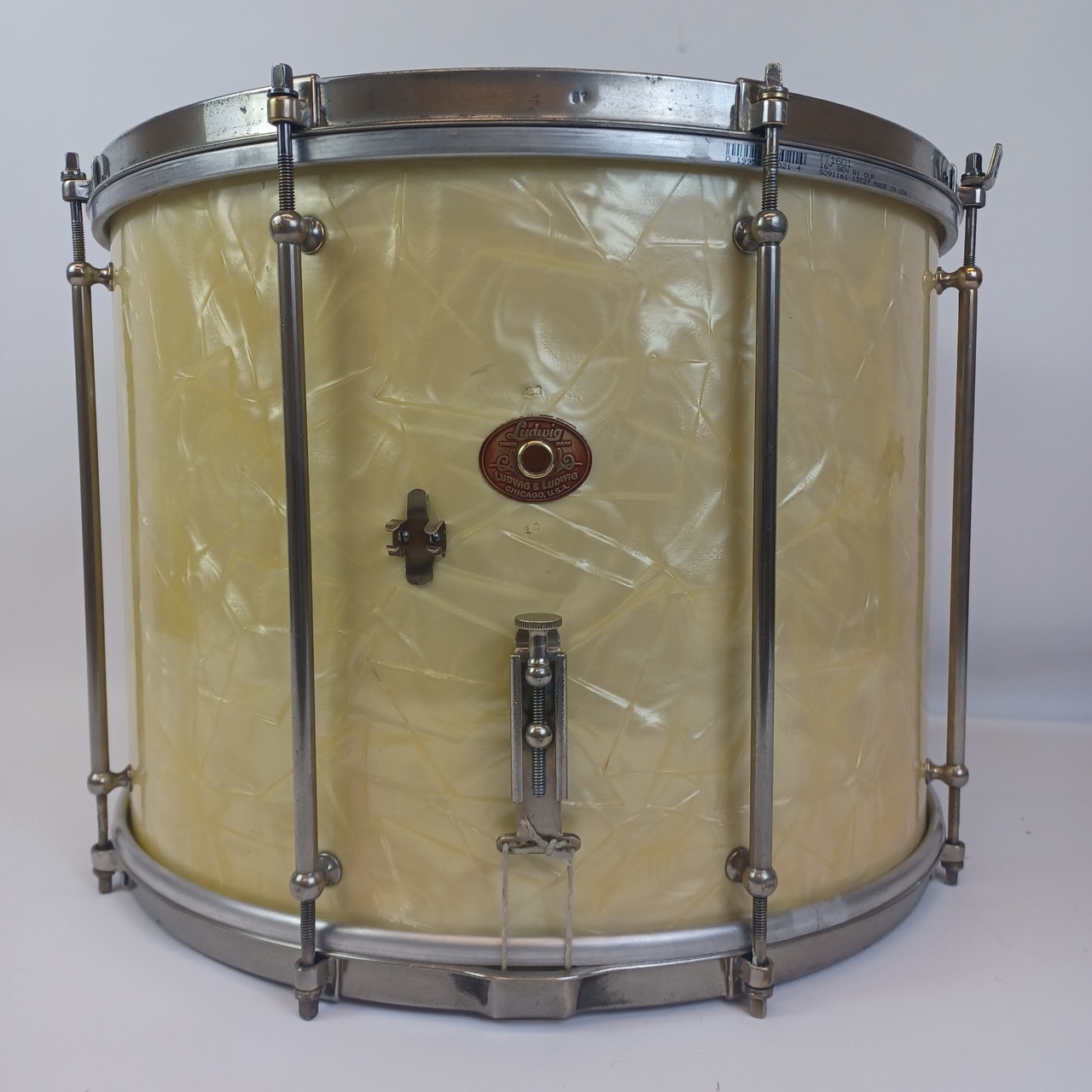
Restoration starts with identification, not tools: name the wrap first — oyster and marine pearl, sparkles and glitters, champagne and tuxedo, WMP and black diamond — because the finish decides whether the drum restores as a collector piece or a player. Original wrap with honest wear outvalues a re-wrap every time; a re-wrapped shell with covered grommets never dates anything. Photograph everything before disassembly.
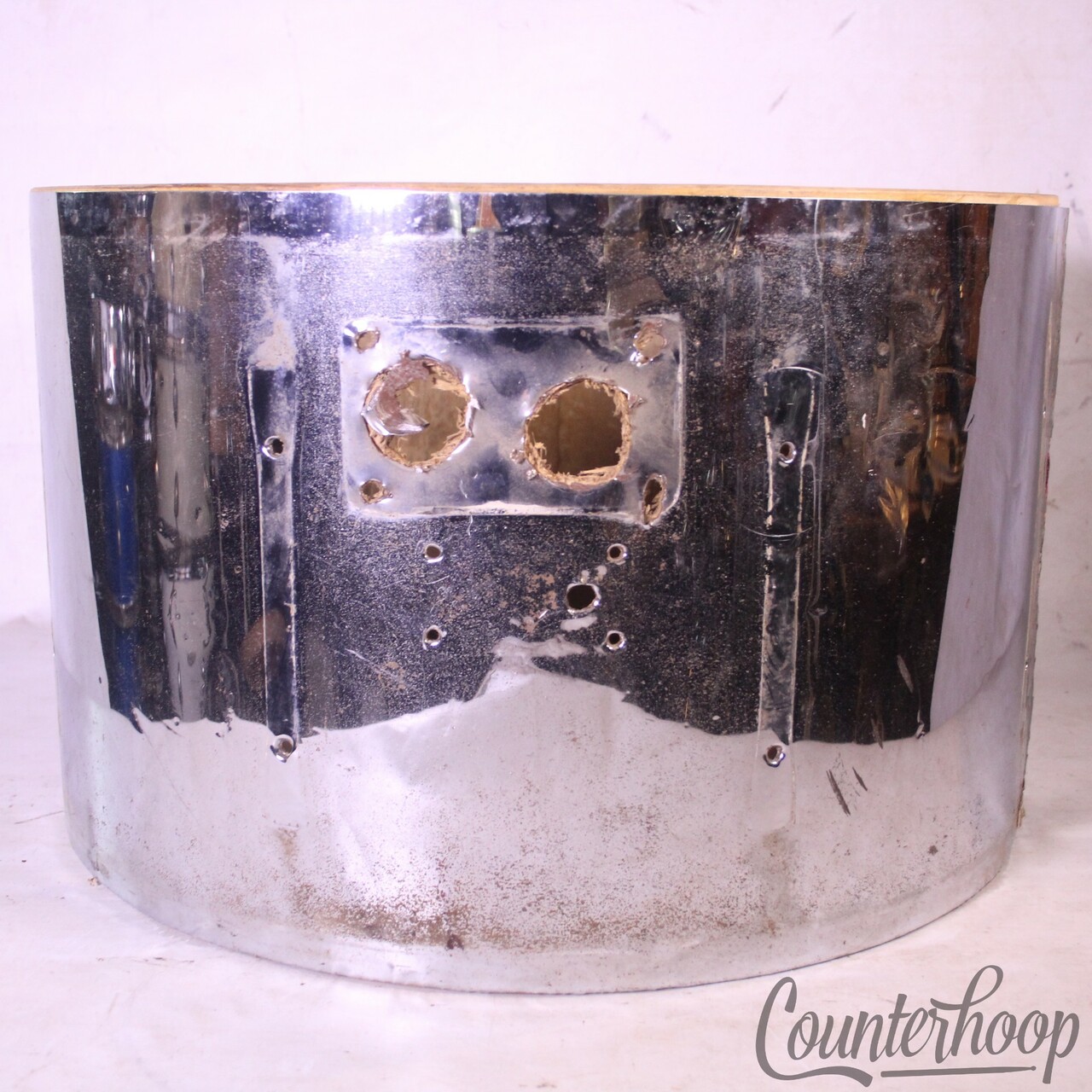
Rust removal is patience, not aggression: chrome cleans with oil and fine wool, never with power tools that cut through plating into nickel and brass. Pitting that survives gentle cleaning is history — price it as found rather than polishing through the chrome. Bearing edges decide voice more than any part: level, true edges with intact beds tune low and even; recut only when damage leaves no choice, and never as a first step.
Period-correct matching closes the job: nickel with nickel-era drums, chrome with later shells, strainer footprints that cover existing holes without fresh drilling, badge-era hardware throughout. The tables below are measured from our own restoration pool — named wraps, project donors and process mentions counted apart, live and from the archive — so you can see exactly what the evidence rests on. When originality decides the price, ask us — we check wraps, edges and hardware against the drum in hand.
Restoration candidates by era
Named wraps and project donors across the decades — originality first, tools second.
| Era | In stock | Archived |
|---|---|---|
| Pre-1950 | 4 in stock | 62 archived |
| 1950s | 0 in stock | 59 archived |
| 1960s | 5 in stock | 204 archived |
| 1970s | 5 in stock | 103 archived |
| 1980s | 2 in stock | 21 archived |
| 1990s+ | 0 in stock | 1 archived |
| Undated | 7 in stock | 138 archived |
Subtypes in stock now
| Subtype | In stock | Archived |
|---|---|---|
| Wrap finishes | 23 in stock | 513 archived |
| Project donors | 0 in stock | 78 archived |
| Rust & process mentions | 0 in stock | 11 archived |
Hole spacings in this guide's specimens
Measured center-to-center on restoration-manual pool. Match your shell drilling exactly; same-brand hardware from different eras drills differently.
| Spacing | Availability | Shop |
|---|
Thread pitches in this guide's specimens
12-24 fits most vintage American drums; 10-24 fits older and single-tension designs. A 12-24 rod starts in a 10-24 lug then seizes — verify before forcing.
| Pitch (TPI) | Availability | Shop |
|---|
Dual-verified reference (this guide's pool)
Rows whose every routed Size, Hole, and TPI field two independent worker legs judged correct — the same dual-verified pool behind the site-wide fitment master. Figures below are restricted to restoration-manual pool members.
| Spacing | Dual-verified specimens | Shop |
|---|
| Pitch (TPI) | Dual-verified specimens | Shop |
|---|
Restoration calls at a glance
| Step | Covers | Rule |
|---|---|---|
| Identify | Wrap and badge before tools | Original wrap with wear outvalues a re-wrap |
| De-rust | Chrome and nickel plating | Oil and fine wool; stop at shine, never chase pits |
| Edges | Bearing surfaces and beds | True edges tune; recut only when damage leaves no choice |
| Match | Period-correct parts | Badge era, plating and footprints must all agree |
Deep dives: wraps & plating guide · badge dating atlas · interactive fitment lookup · machine-readable specs · full catalog with specs (llms-full.txt).
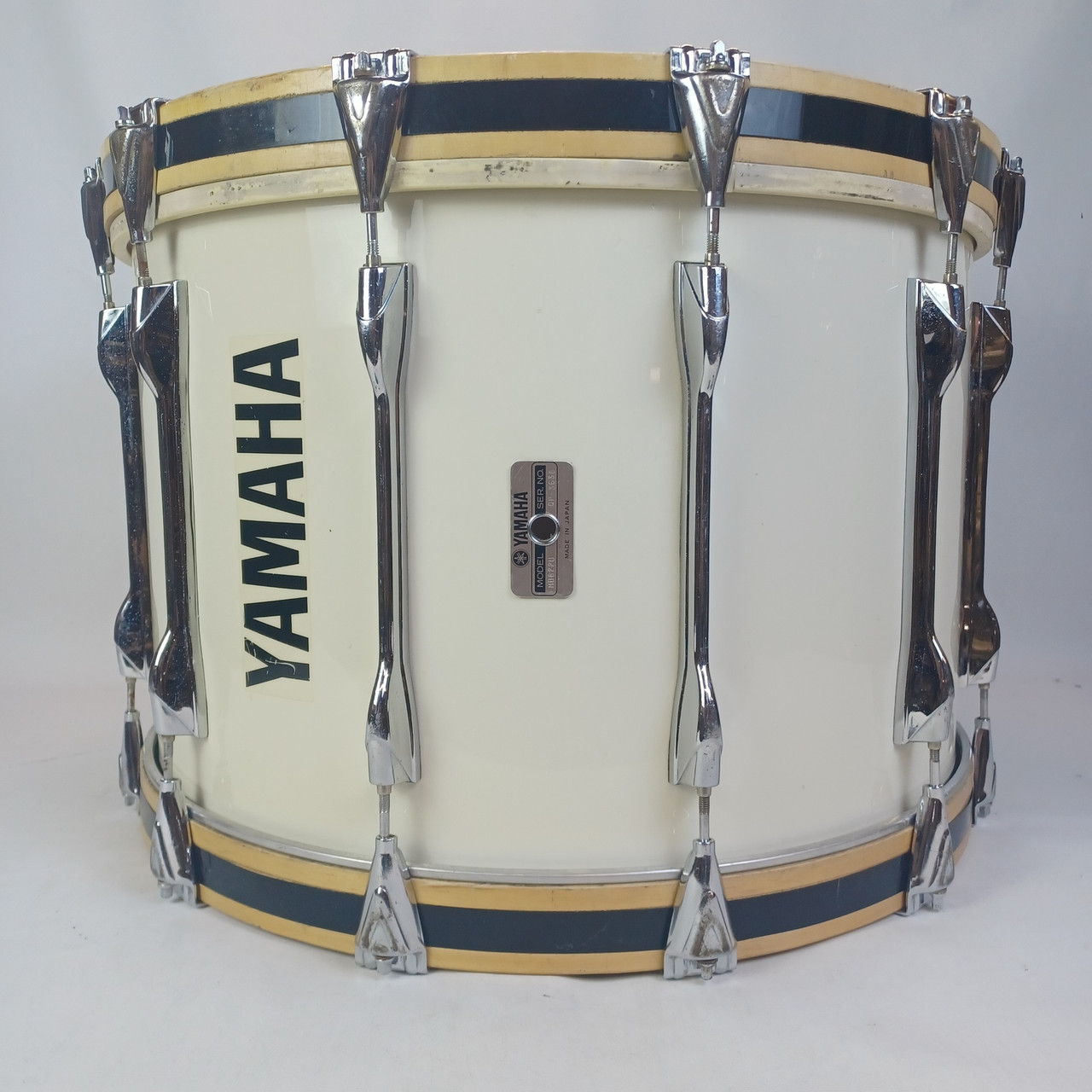
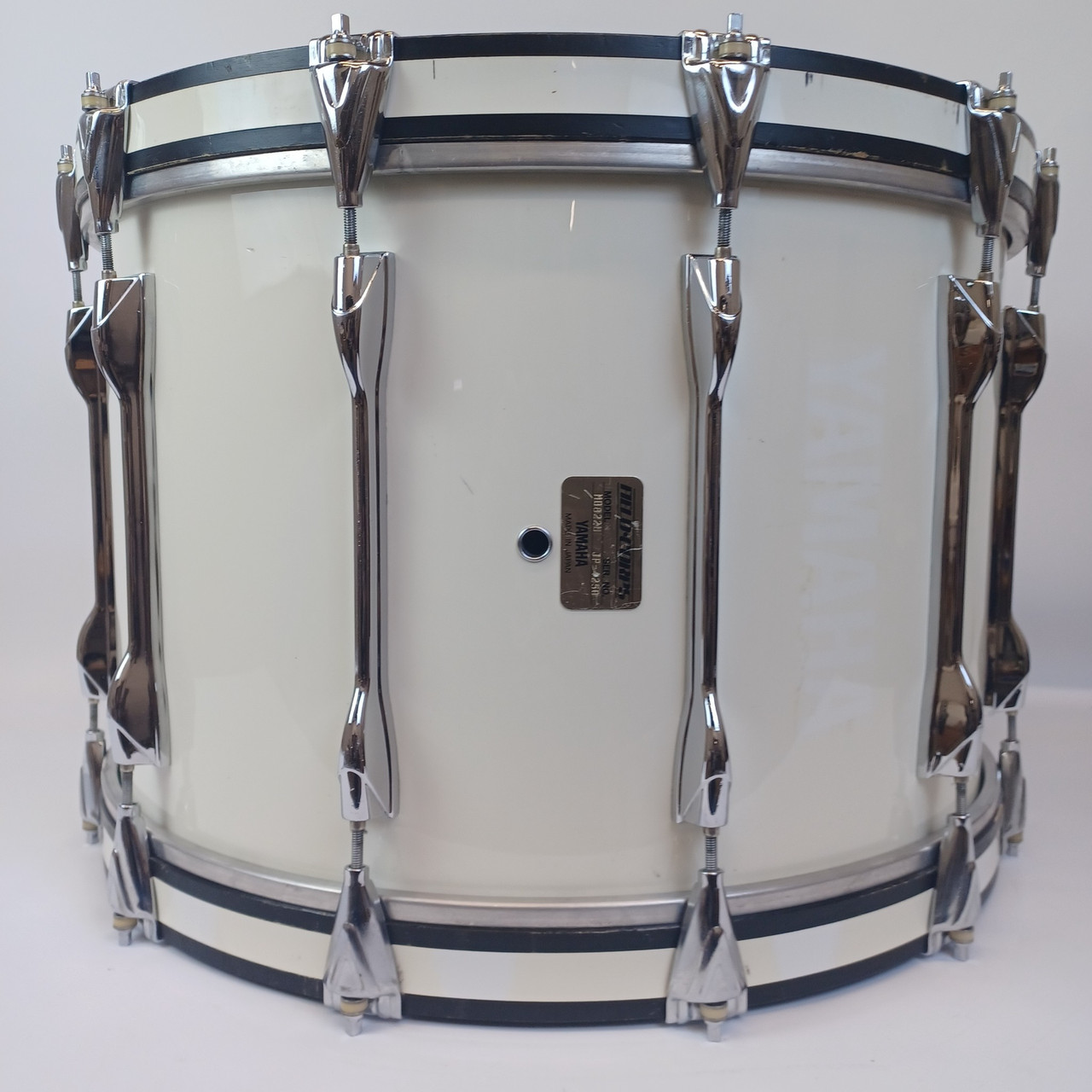
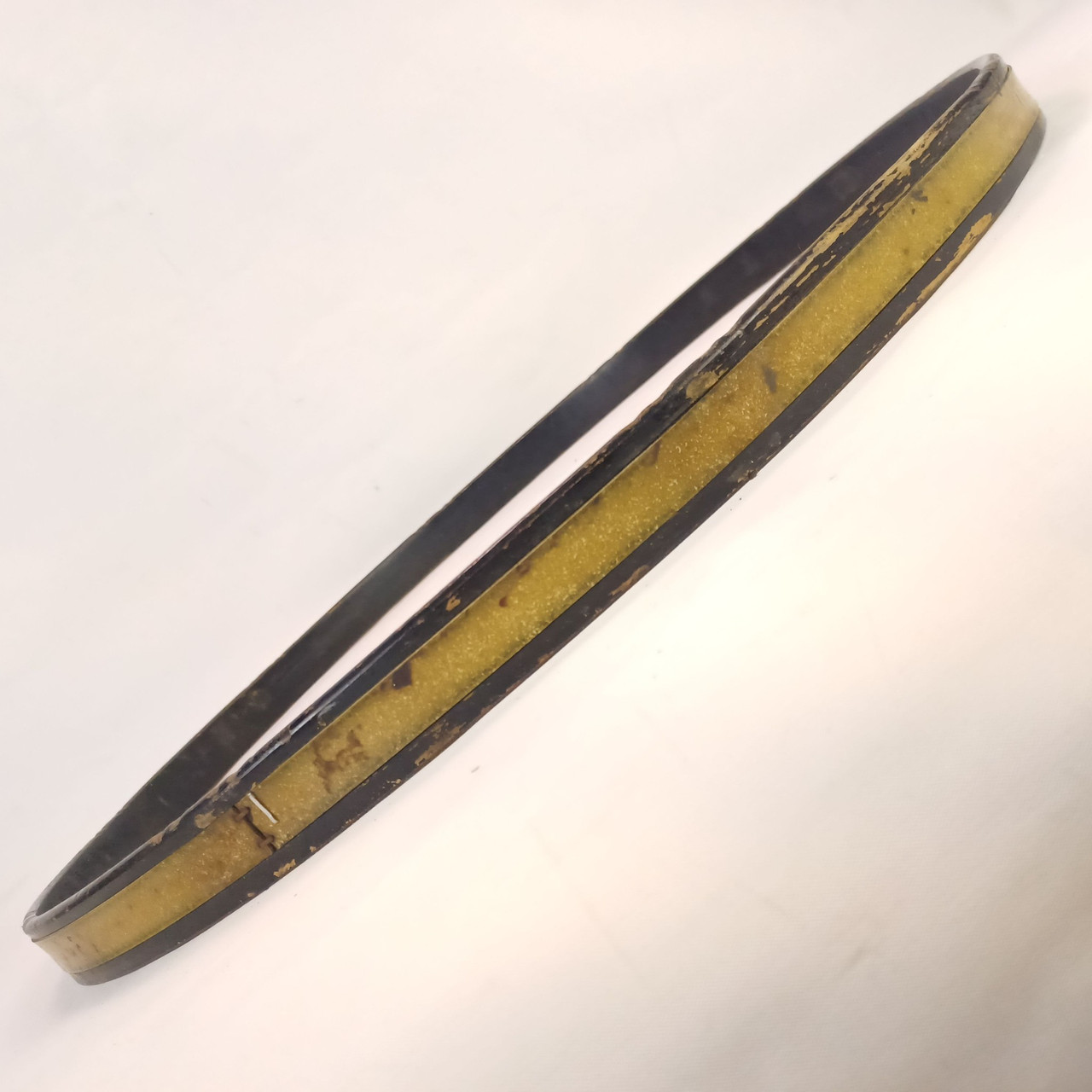
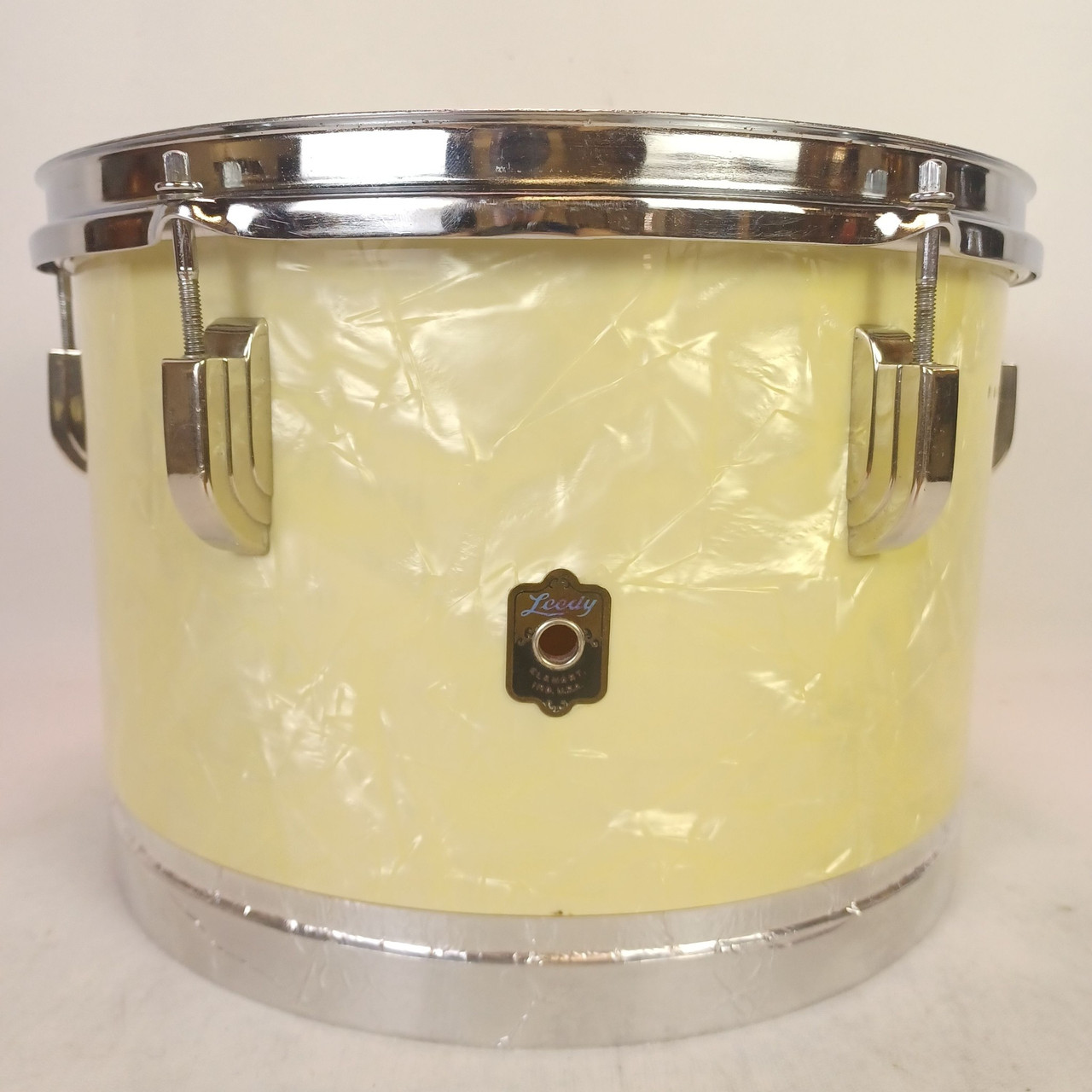
Matching pieces in stock now
In stock as of 2026-11-13. One-of-a-kind stock sells and the list below is a build-time snapshot — if a piece is gone, its page says so and the archive keeps its record.
In stock now
Frequently asked questions
Should I re-wrap my vintage drum?
Almost never for value: original wrap with honest wear outvalues a re-wrap, and covered grommets erase the drum's dating evidence. Re-wrap only a shell whose finish is already gone — and price it as a player forever after.
How do I remove rust without ruining chrome?
Oil, fine wool and patience — no power tools, no coarse abrasives. Gentle cleaning that leaves pits is a success; polishing through chrome into nickel is irreversible damage. Stop at shine, never chase pits.
Do bearing edges need recutting?
Only when damage prevents tuning: level, true edges tune low and even as they are. Recutting removes original wood and narrows every future option — verify with a straight edge and a careful tune-up before authorizing the cut.
How do I match period-correct parts?
Badge era first, then plating, then footprints: nickel with nickel-era drums, chrome with later shells, strainer and mount holes that cover existing drilling exactly. Mixed eras mean a married drum — buy it as a player, not a collector piece.