In stock › Guides › Complete Vintage Drum Badge Identification & Dating Atlas
Complete Vintage Drum Badge Identification & Dating Atlas
Reference guide · counts measured from photographed specimens · updated 2026-11-12
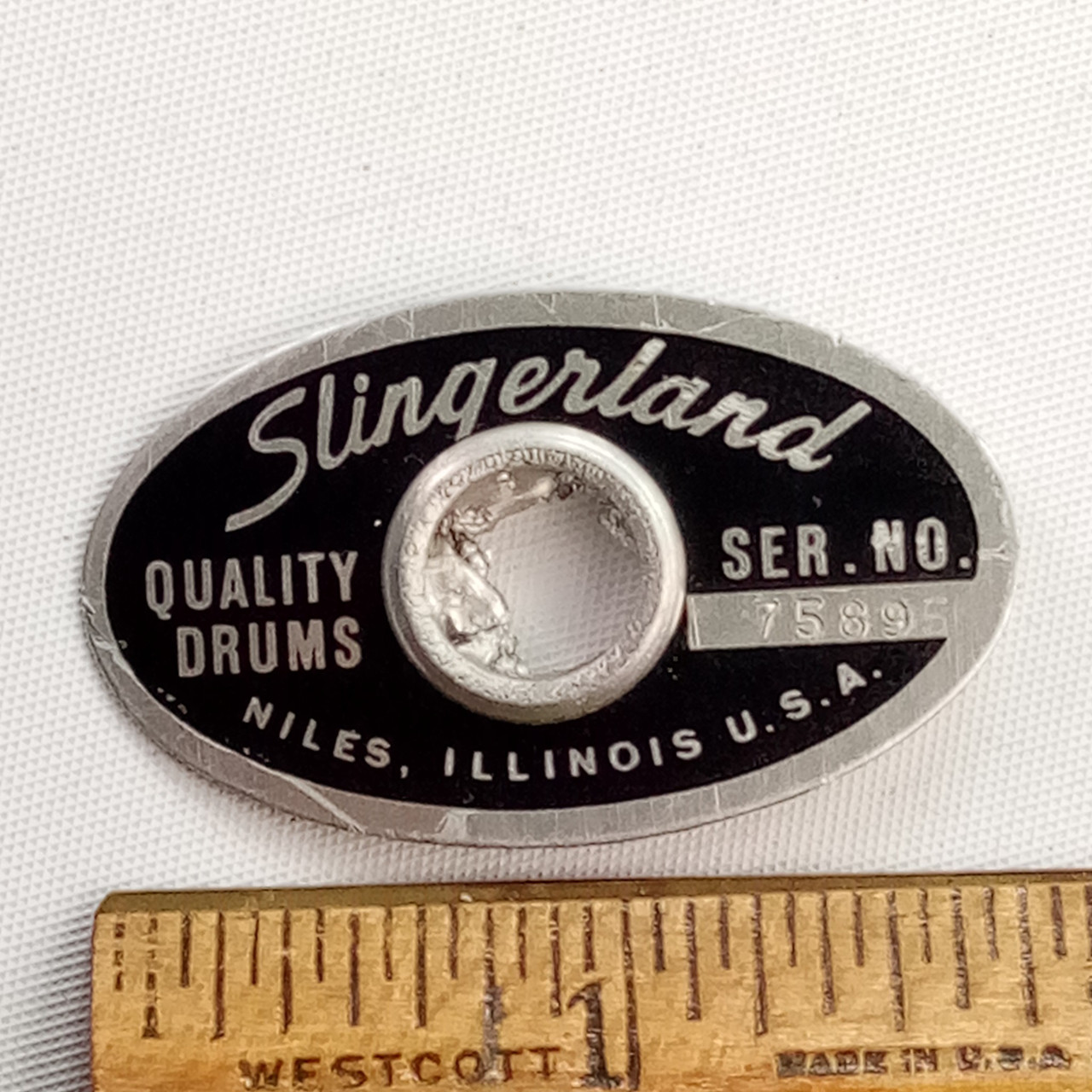
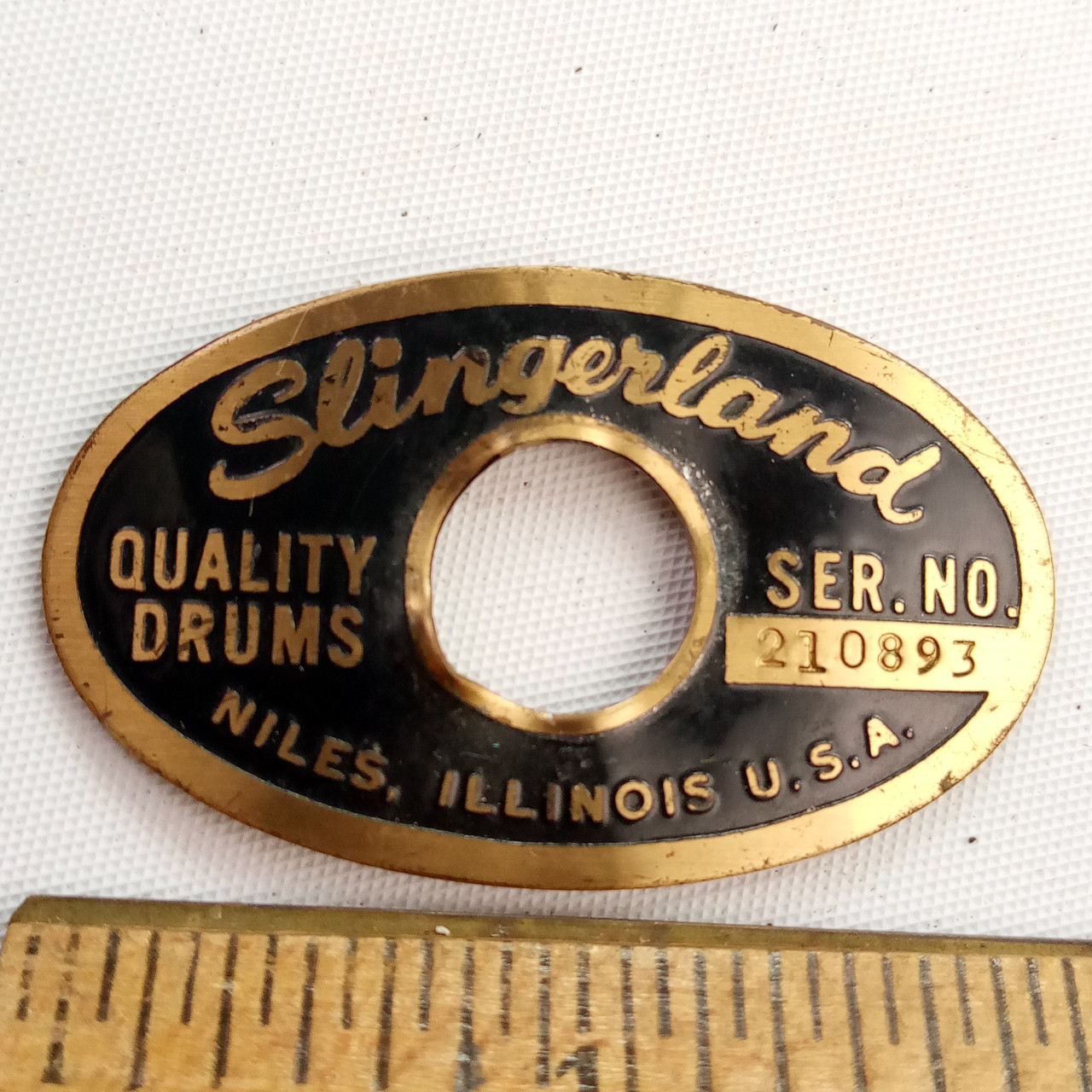
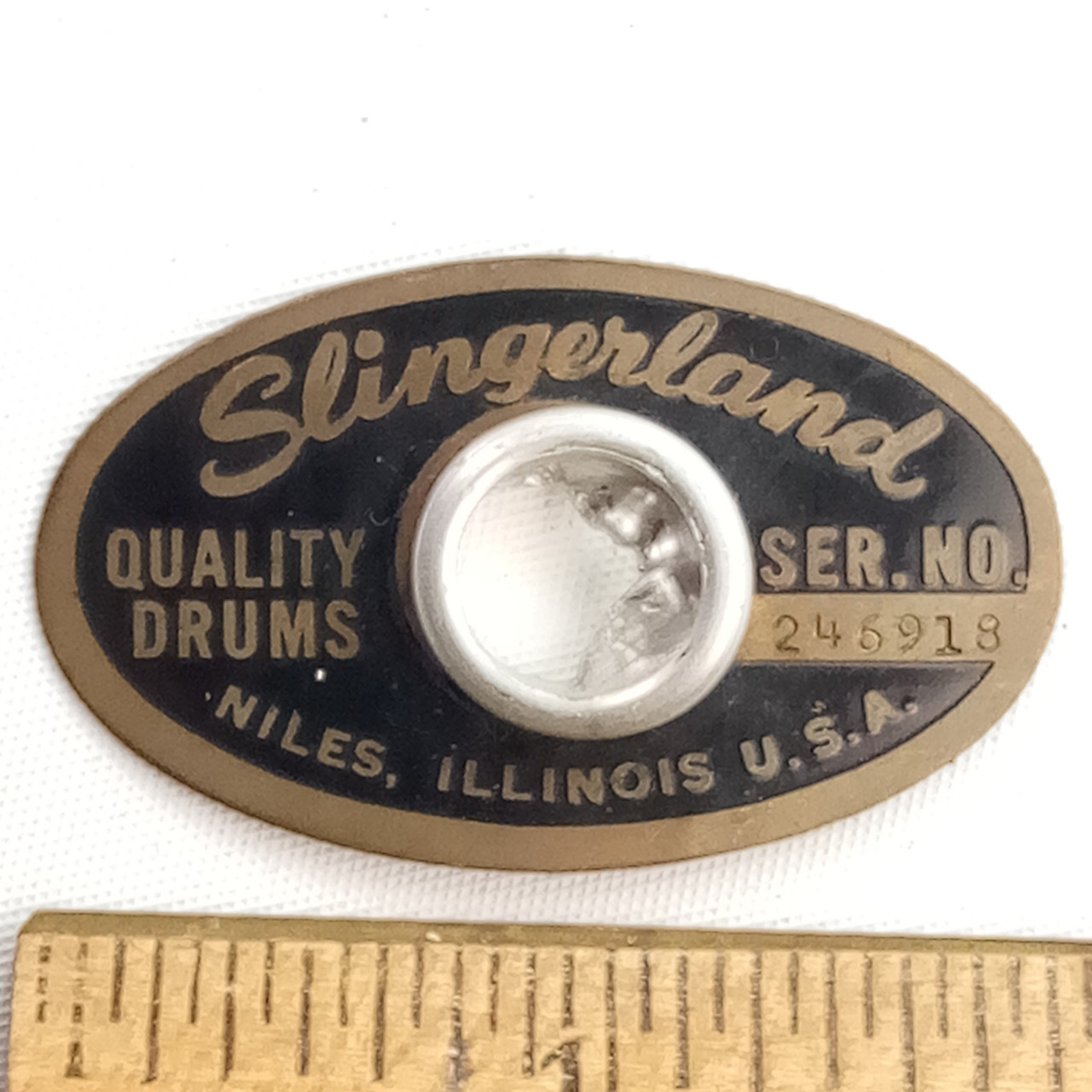
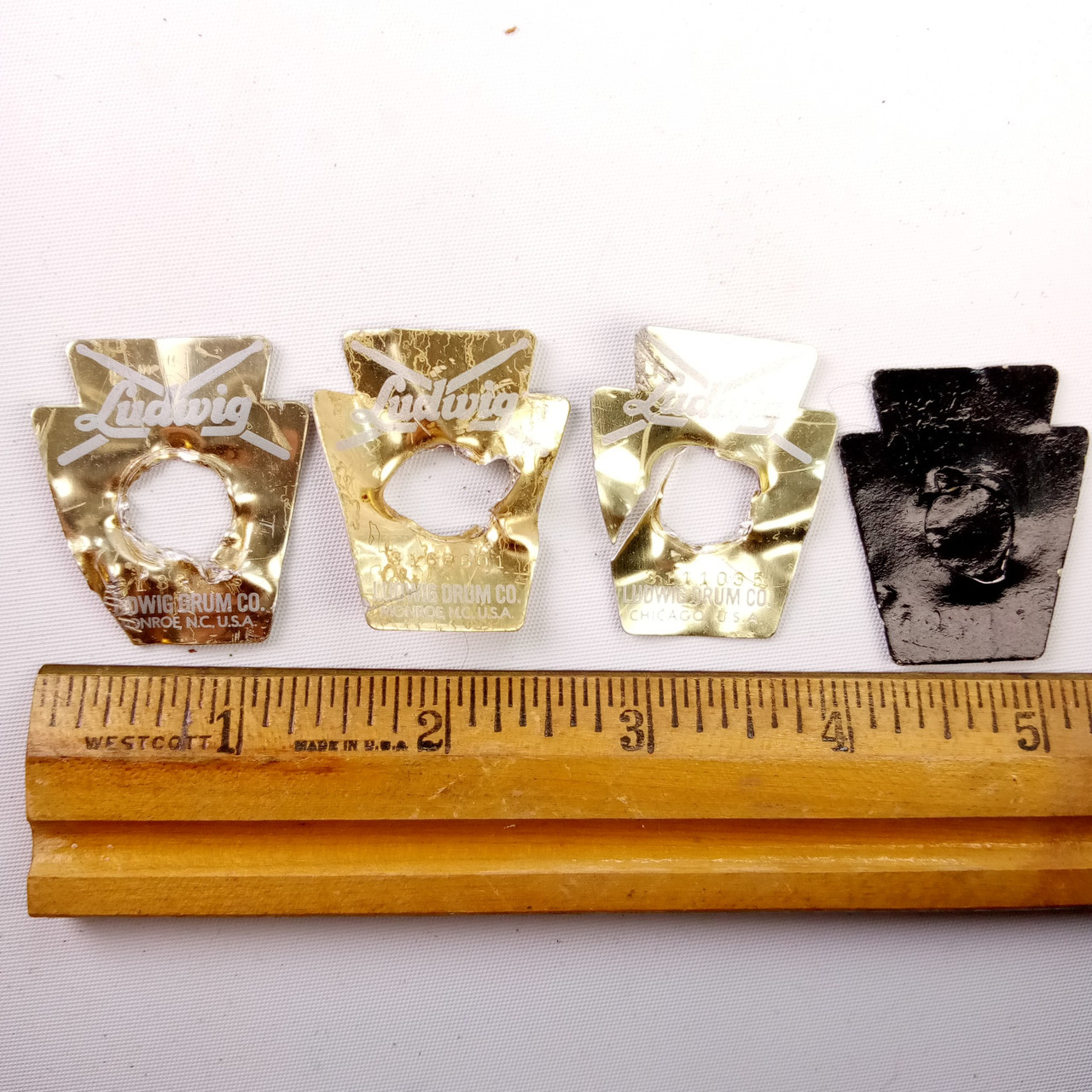
Badge first, serial second, shell always — that order dates every vintage American drum, and this atlas lays the whole progression side by side. WFL transition badges mark the 30s to mid-50s; the cloud badge marks the Slingerland Radio King peak; the round badge marks 50s Gretsch; the keystone marks Ludwig 1960-69; the blue/olive marks 1969 onward; the stop-sign and drop-G carry Gretsch through the 60s and 70s. Serial ranges narrow each window further, but the shell interior always confirms.
Grommets tell the truth badges only suggest: undisturbed original grommets with matching era hardware earn the collector premium; disturbed grommets, extra holes from swapped strainers, and mixed-era plating mark a married or modified drum priced as a player. Nickel belongs with nickel-era drums and chrome with later shells; re-wraps with covered grommets never date anything. When the badge decides the price, ask us — we check badges, serials and interiors against the drum in hand.
The tables below are measured from our own badge pool — loose badges and grommets plus whole drums whose titles carry badge-progression and serial words, counted apart by maker, live and from the archive — so you can see exactly what the evidence rests on. Every figure is a photographed specimen in stock or archived, never a catalog claim.
Badge progression at a glance
| Badge | Era | Maker |
|---|---|---|
| WFL transition | 1930s–mid-50s | Ludwig (WFL years) |
| Cloud | 1930s–50s peak | Slingerland Radio King |
| Round badge | 1950s | Gretsch Brooklyn |
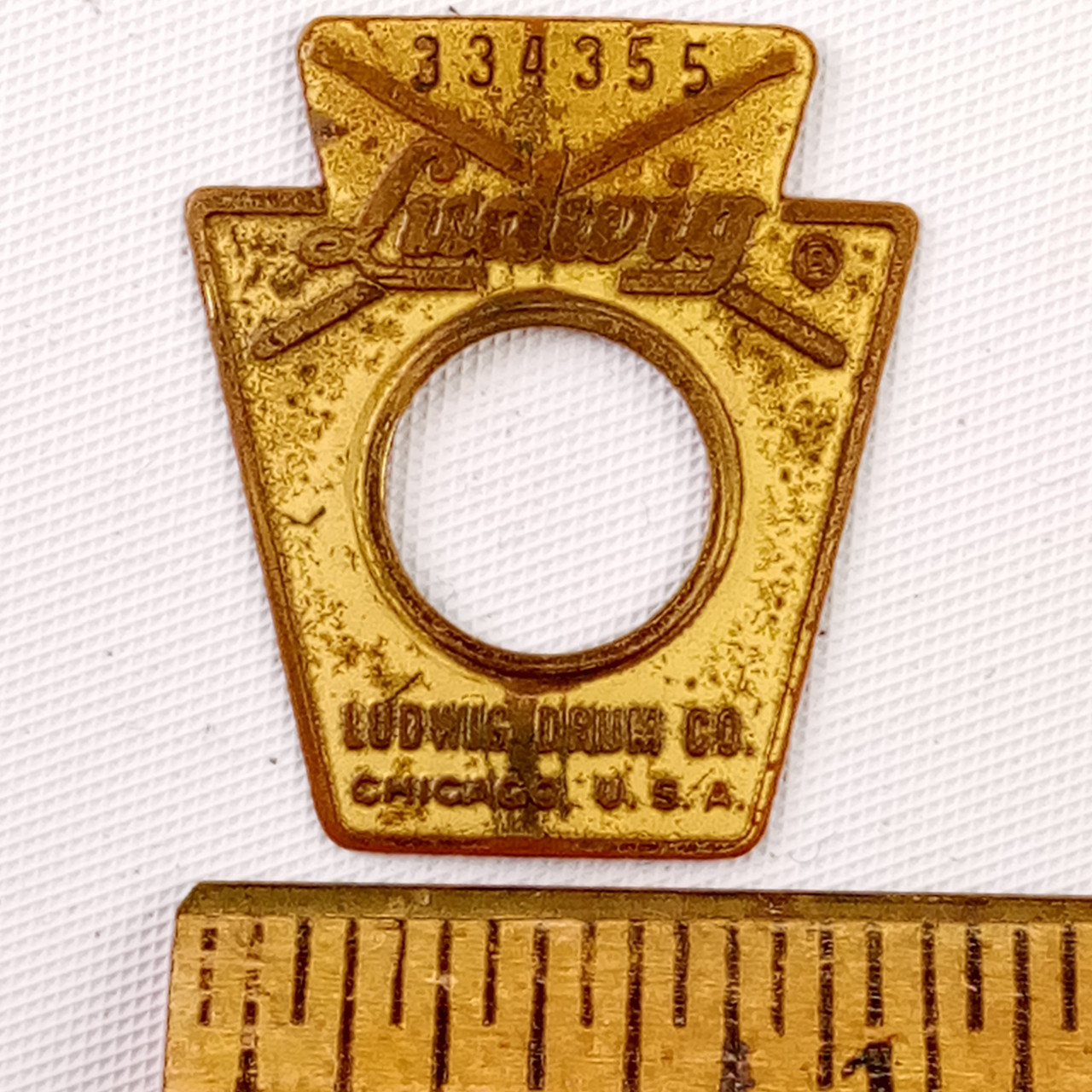
| Keystone | 1960–69 | Ludwig 3-ply classics |
| Blue / olive | 1969 on | Ludwig 6-ply transition |
| Stop-sign / drop-G | 1960s–70s | Gretsch |
| Floating rail era | 1960s–70s | Rogers Dyna-Sonic |
Atlas specimens by era
Badge first, serial second, shell always: era bands across the badge pool.
| Era | In stock | Archived |
|---|---|---|
| Pre-1950 | 26 in stock | 36 archived |
| 1950s | 19 in stock | 73 archived |
| 1960s | 36 in stock | 170 archived |
| 1970s | 8 in stock | 89 archived |
| 1980s | 2 in stock | 24 archived |
| 1990s+ | 0 in stock | 6 archived |
| Undated | 29 in stock | 36 archived |
Subtypes in stock now
A whole drum whose title carries badge words counts in its maker row too; mentions, never an exclusive partition.
| Subtype | In stock | Archived |
|---|---|---|
| Badges & grommets | 96 in stock | 302 archived |
| Keystone / blue-olive | 29 in stock | 184 archived |
| Round / cloud badges | 35 in stock | 179 archived |
| Stop-sign | 1 in stock | 10 archived |
| Serial numbers | 6 in stock | 23 archived |
Makers in stock now
| Maker | Availability |
|---|---|
| Gretsch | 32 in stock |
| Ludwig | 32 in stock |
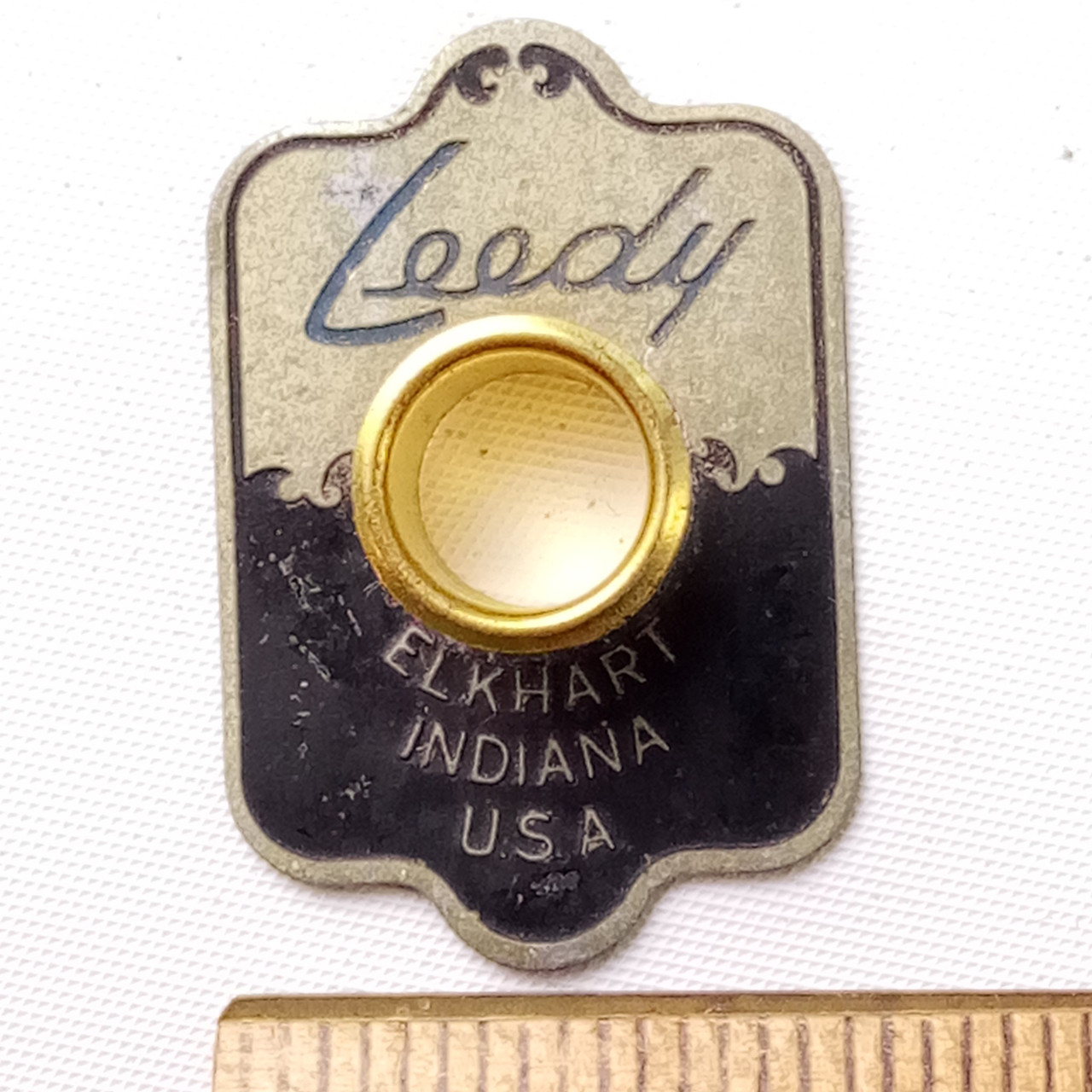
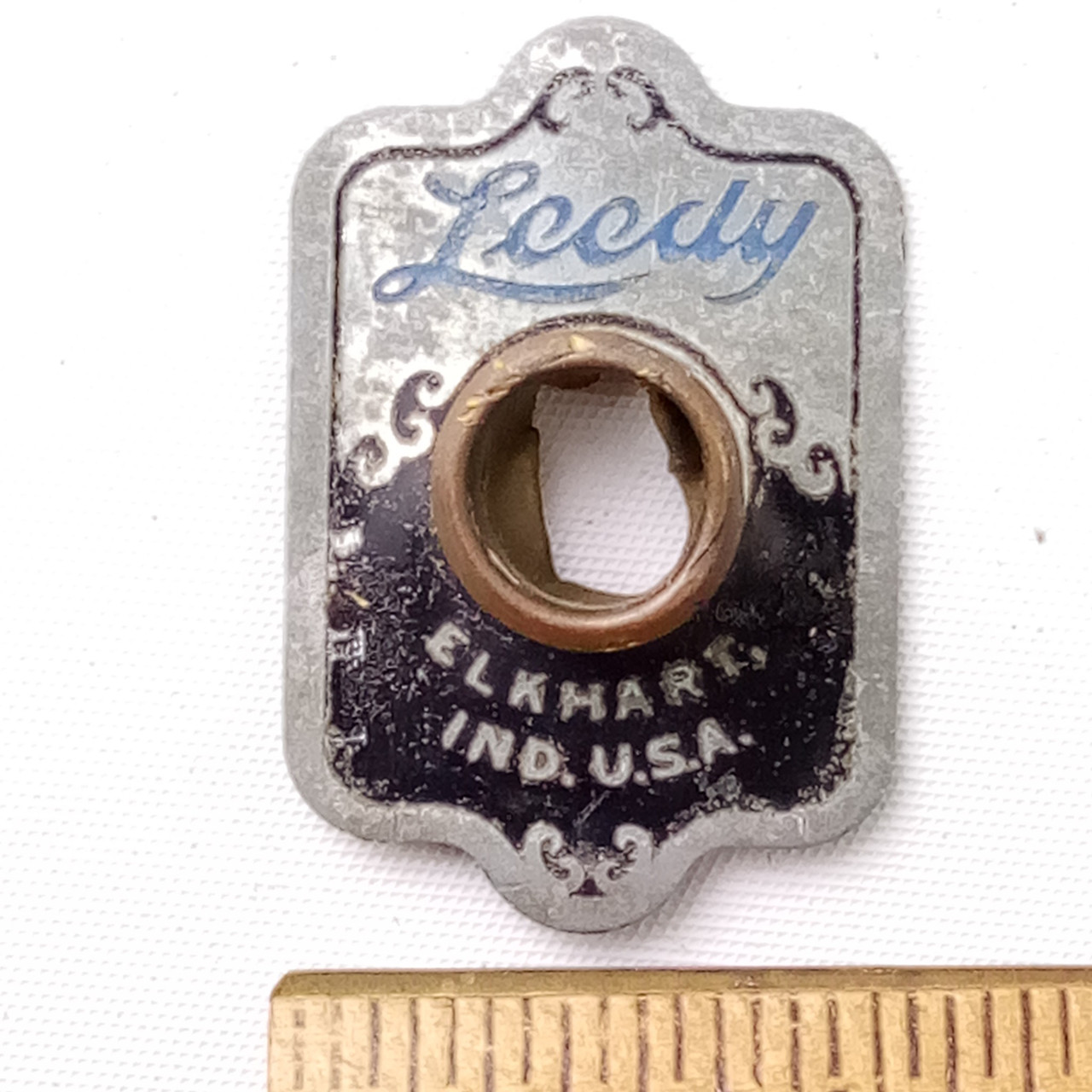
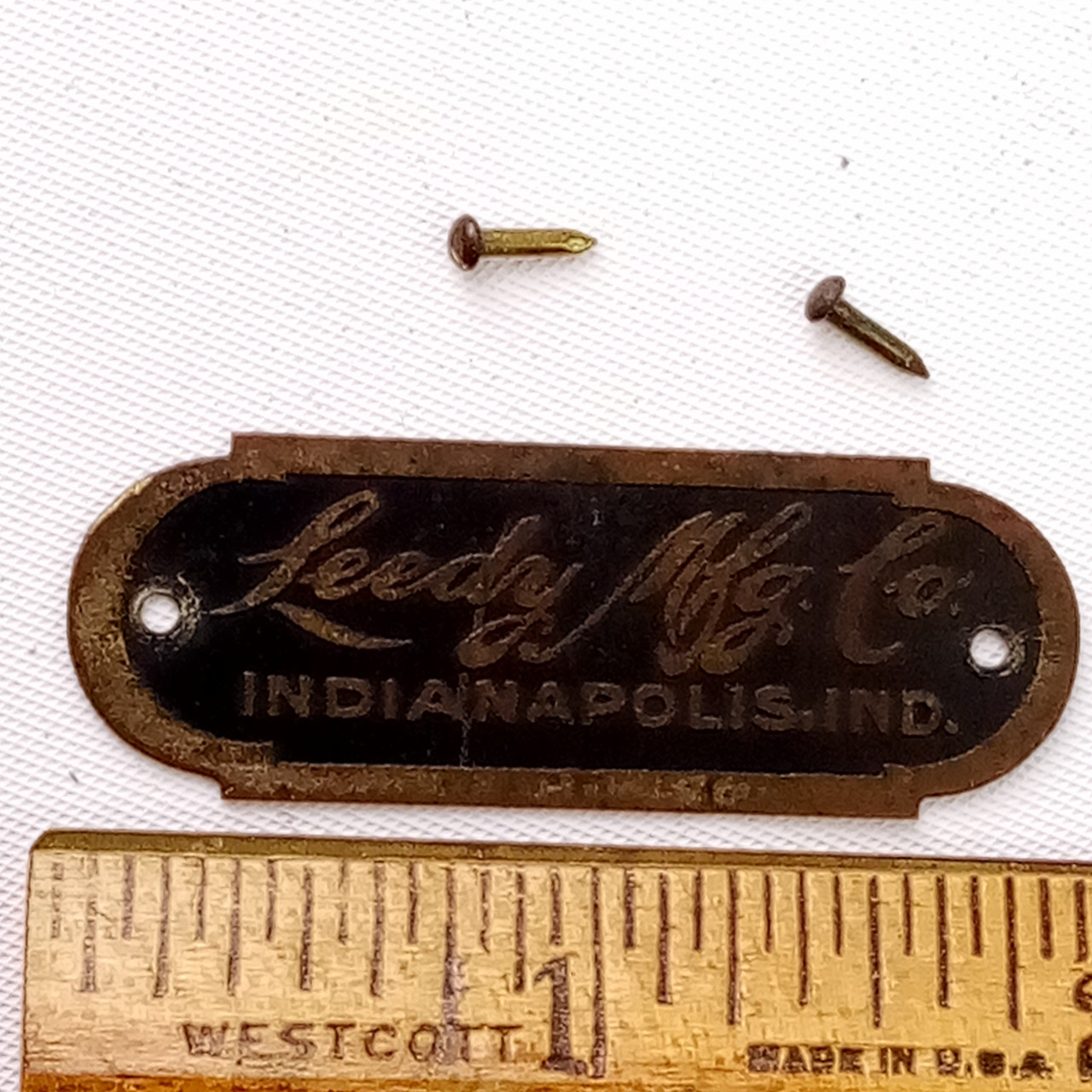
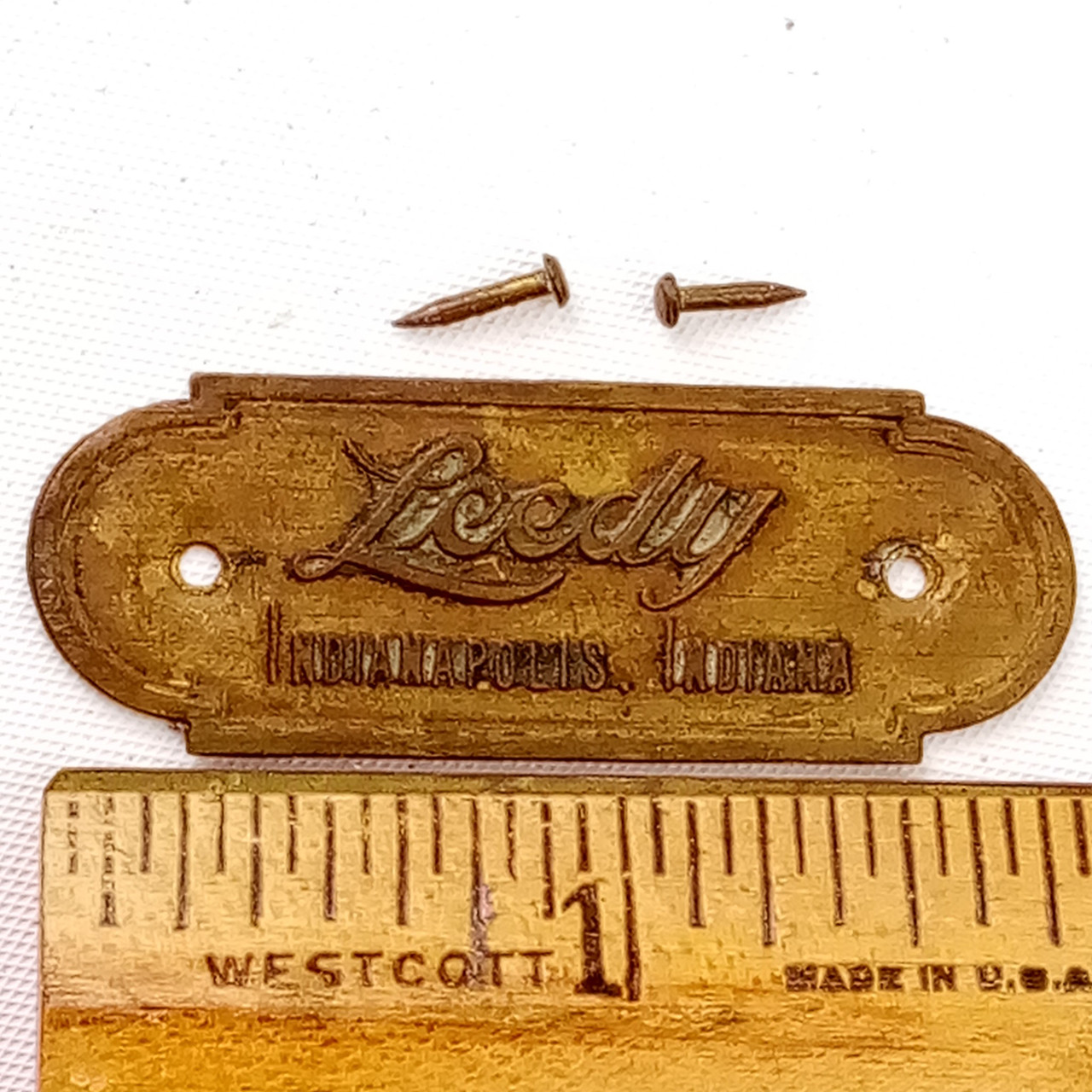
| Leedy | 18 in stock |
| Slingerland | 17 in stock |
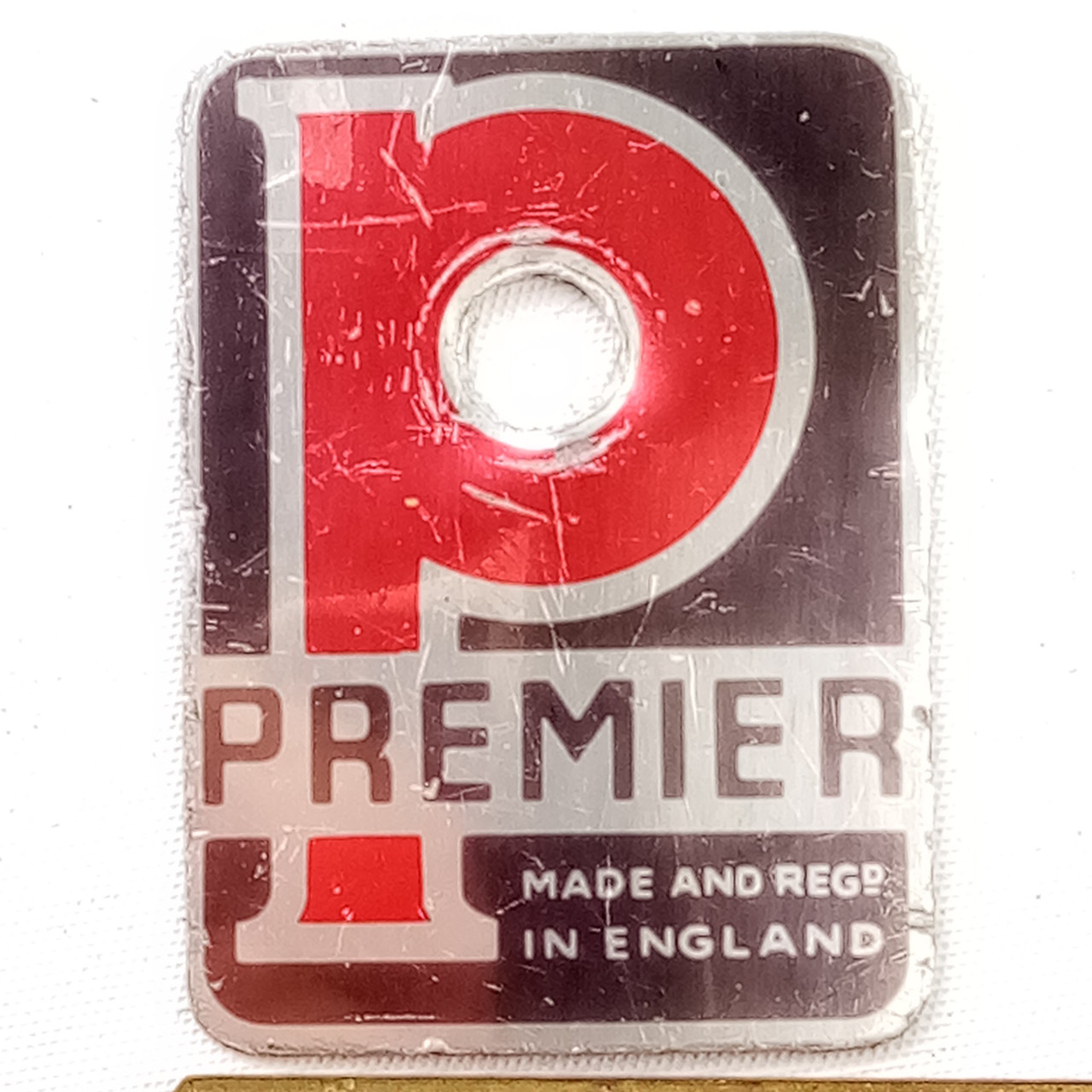
| Premier | 4 in stock |
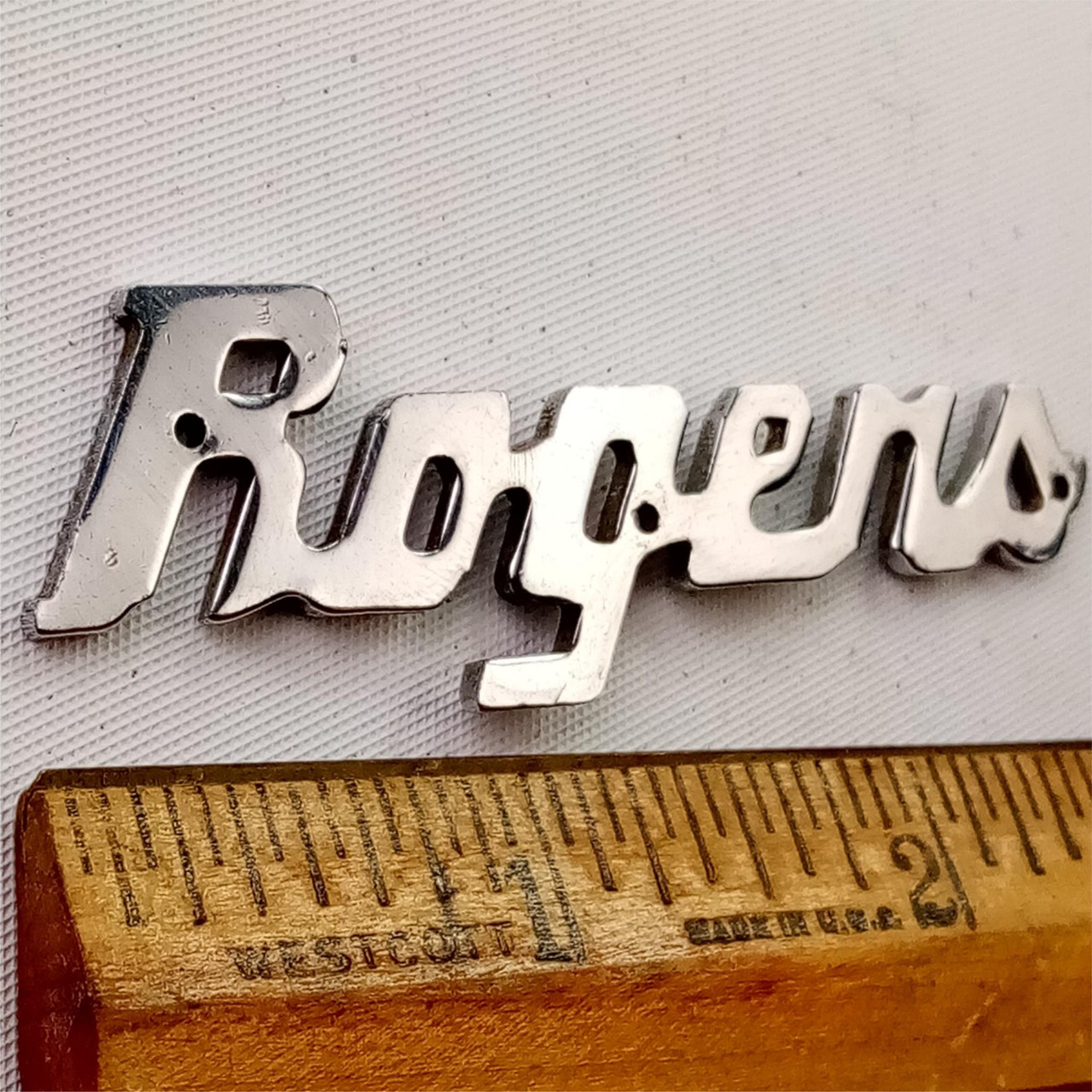
| Rogers | 4 in stock |
| Leedy and Ludwig | 3 in stock |
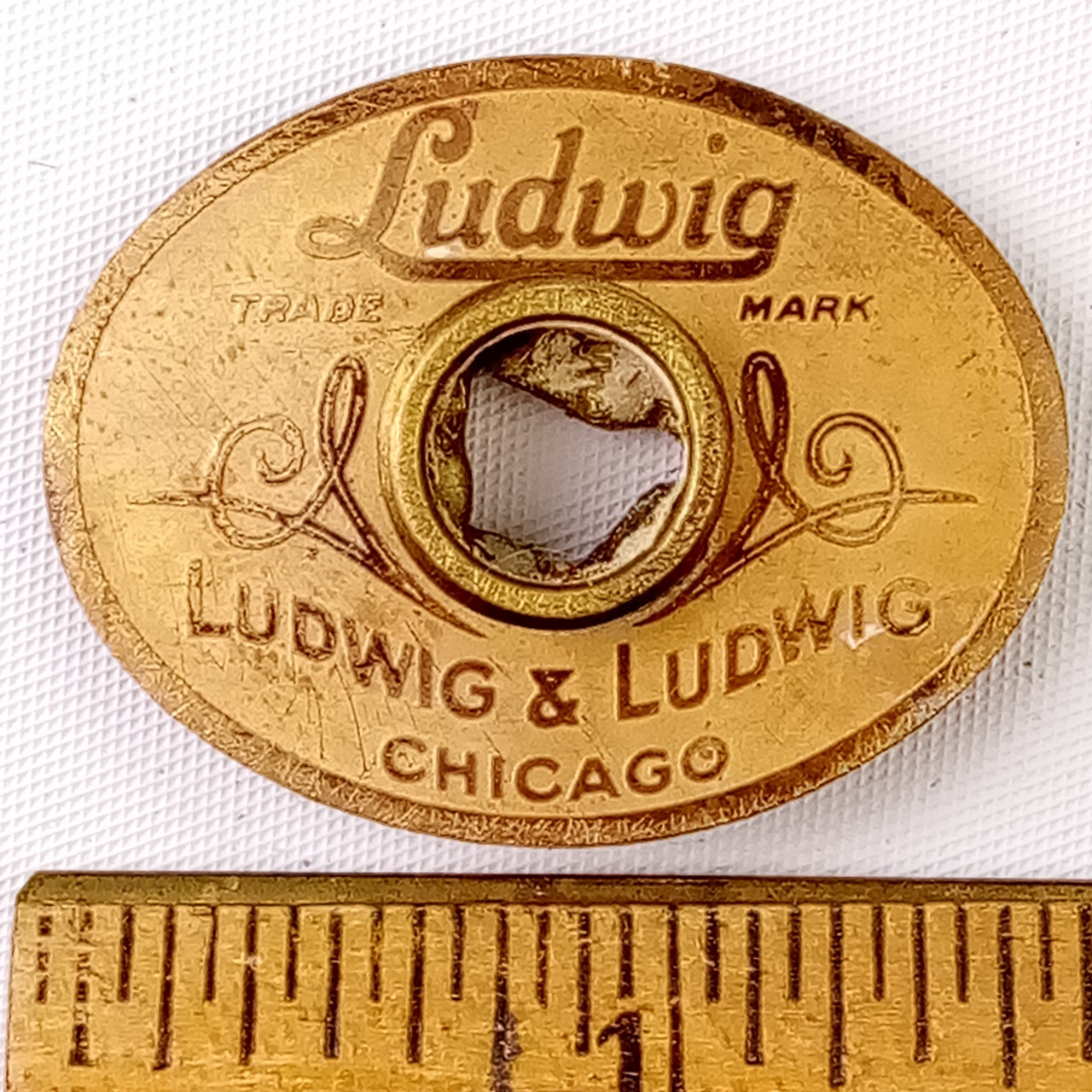
| Ludwig&Ludwig | 3 in stock |
| Beverley | 1 in stock |
| Camco | 1 in stock |
| Conn | 1 in stock |
| Hayman | 1 in stock |
Deep dives: Ludwig dating guide · round-badge guide · Radio King guide · Rogers Dyna-Sonic guide.
Matching pieces in stock now
In stock as of 2026-11-12. One-of-a-kind stock sells and the list below is a build-time snapshot — if a piece is gone, its page says so and the archive keeps its record.
In stock now
Frequently asked questions
Which badge dates my drum?
Badge first: cloud for the 30s-50s Radio King peak, round badge for 50s Gretsch, keystone for 1960-69 Ludwig, blue/olive for 1969 on, stop-sign and drop-G for 60s-70s Gretsch. Serial ranges then narrow the window — but shell construction and edges must agree with the badge.
How do Ludwig serials work?
Badge era first, then the serial narrows the window — but serials alone never close it. Shell interiors, edges and strainer footprints must agree with the badge and serial together; when they do not, the drum is married or modified.
What do disturbed grommets mean?
A badge pulled and re-set: the shell's originality claim is weakened even when the badge itself is era-correct. Undisturbed grommets with matching era hardware earn the premium; disturbed grommets with extra holes halve it.
Can a badge alone prove a round-badge Gretsch?
Never alone: badge plus serial plus hardware — stick-chopper hoops, rail consolette mounts, period plating — must all agree with the badge. Mixed eras mean a married or modified drum, priced as a player, not a collector piece.