In stock › Guides › Snare Strainer & Throw-Off Fitment Guide: P83, Zoomatic & Dyna-Sonic
Snare Strainer & Throw-Off Fitment Guide: P83, Zoomatic & Dyna-Sonic
Reference guide · counts measured from photographed specimens · updated 2026-11-08
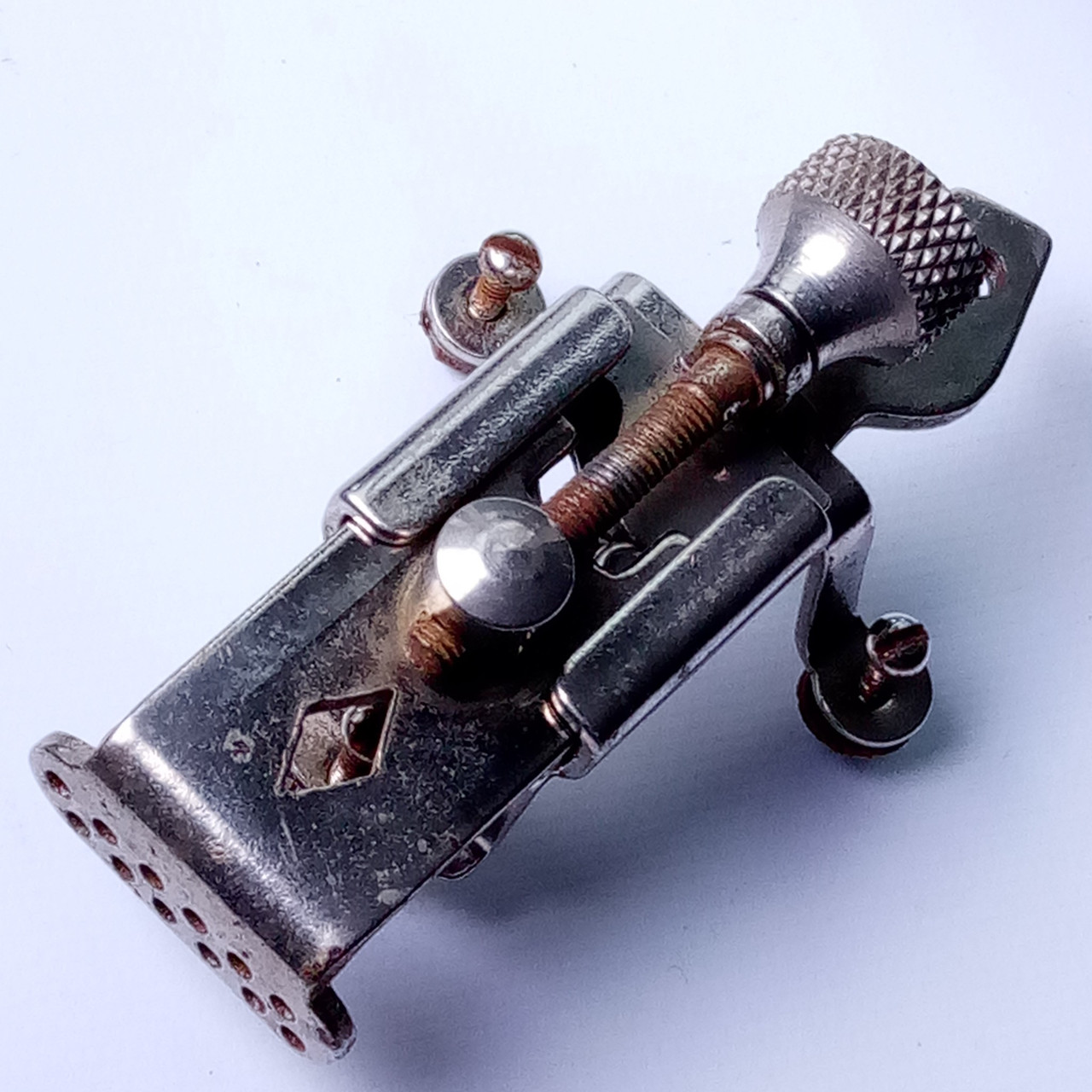
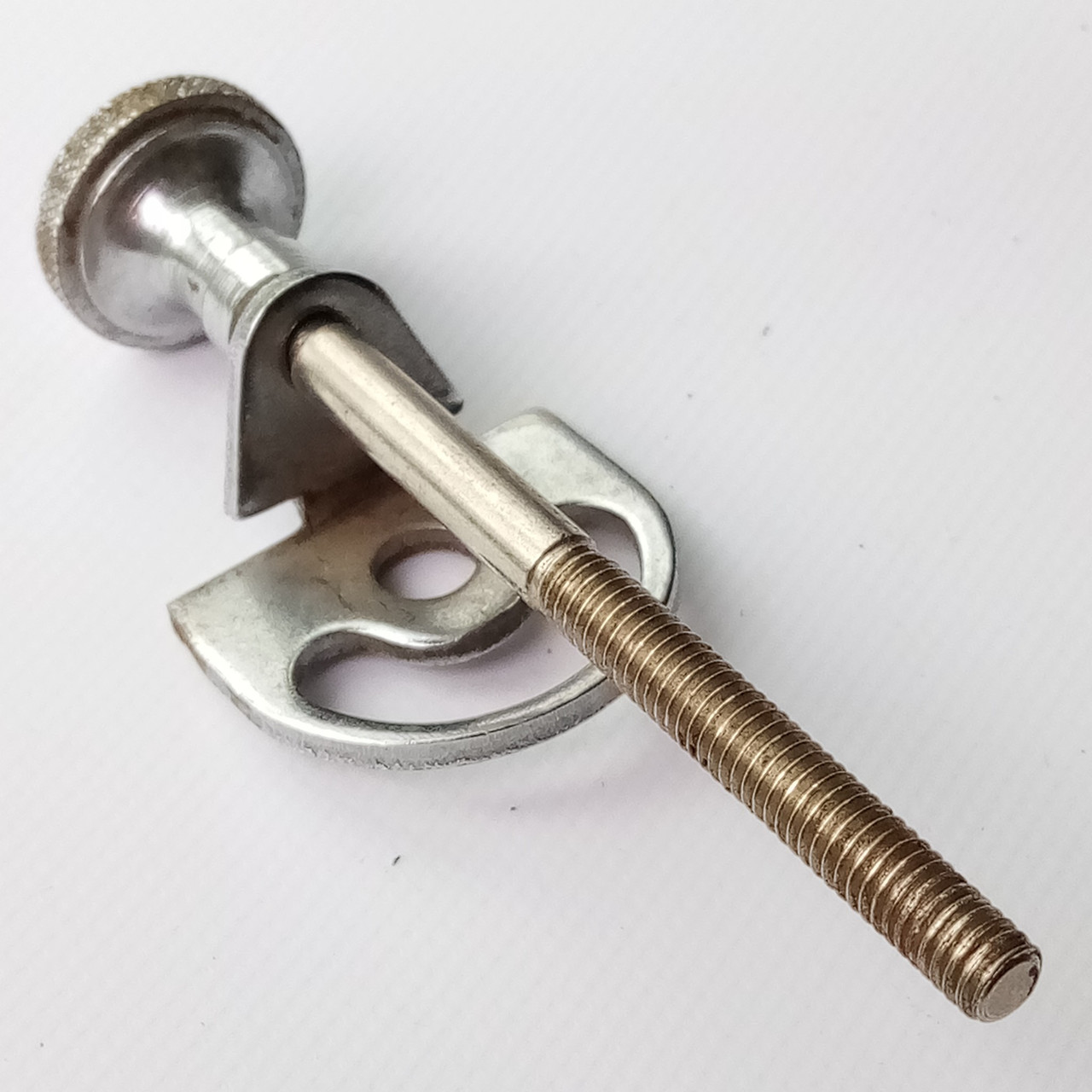
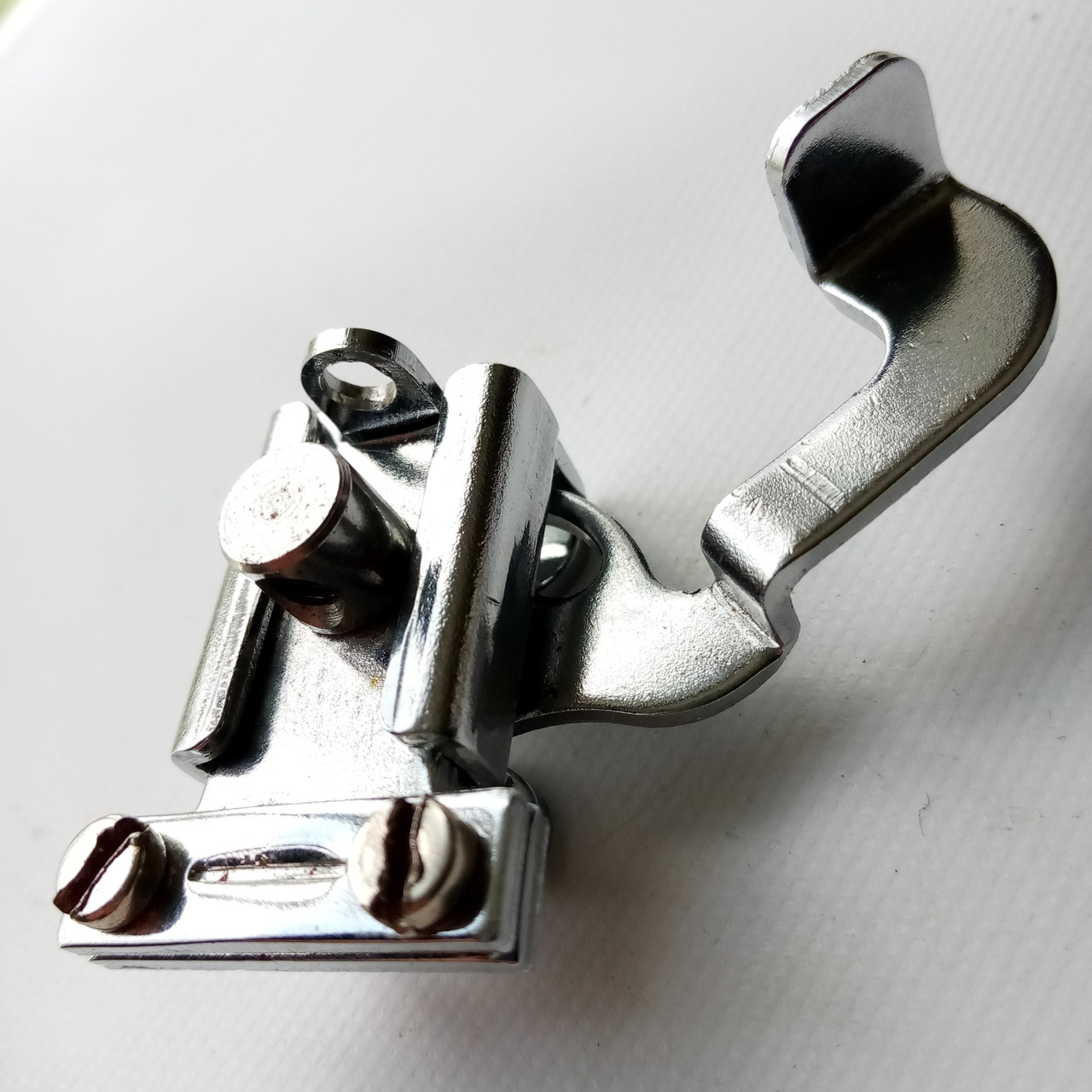
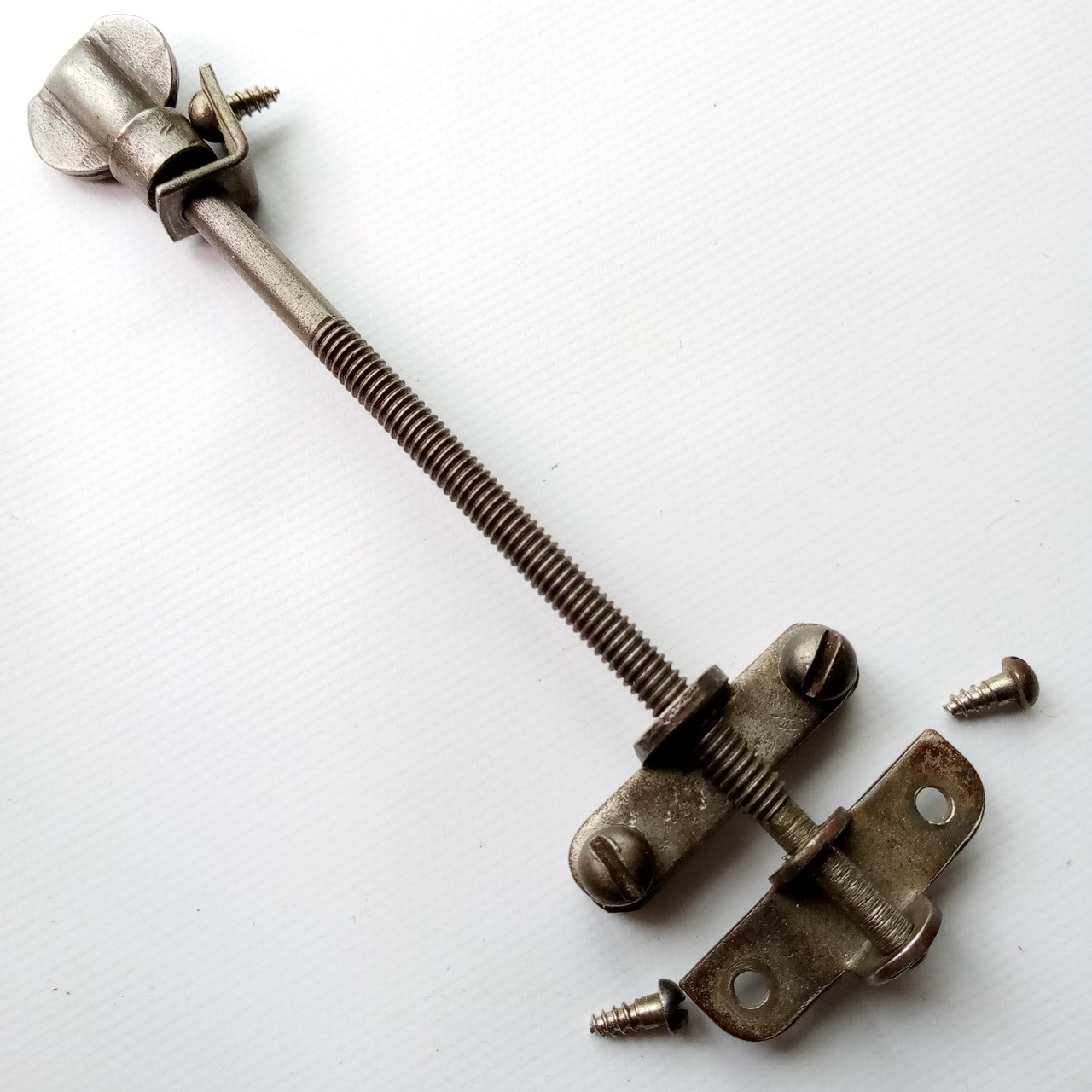
The throw-off is the most-handled part on a snare, so originals wear out and replacements must match the shell drilling exactly. Strainer footprints differ by maker and era — a P83 nickel footprint differs from a P85, a Zoomatic drills differently from a three-point Radio King plate — and extra holes from a wrong strainer are the commonest value damage on vintage snares.
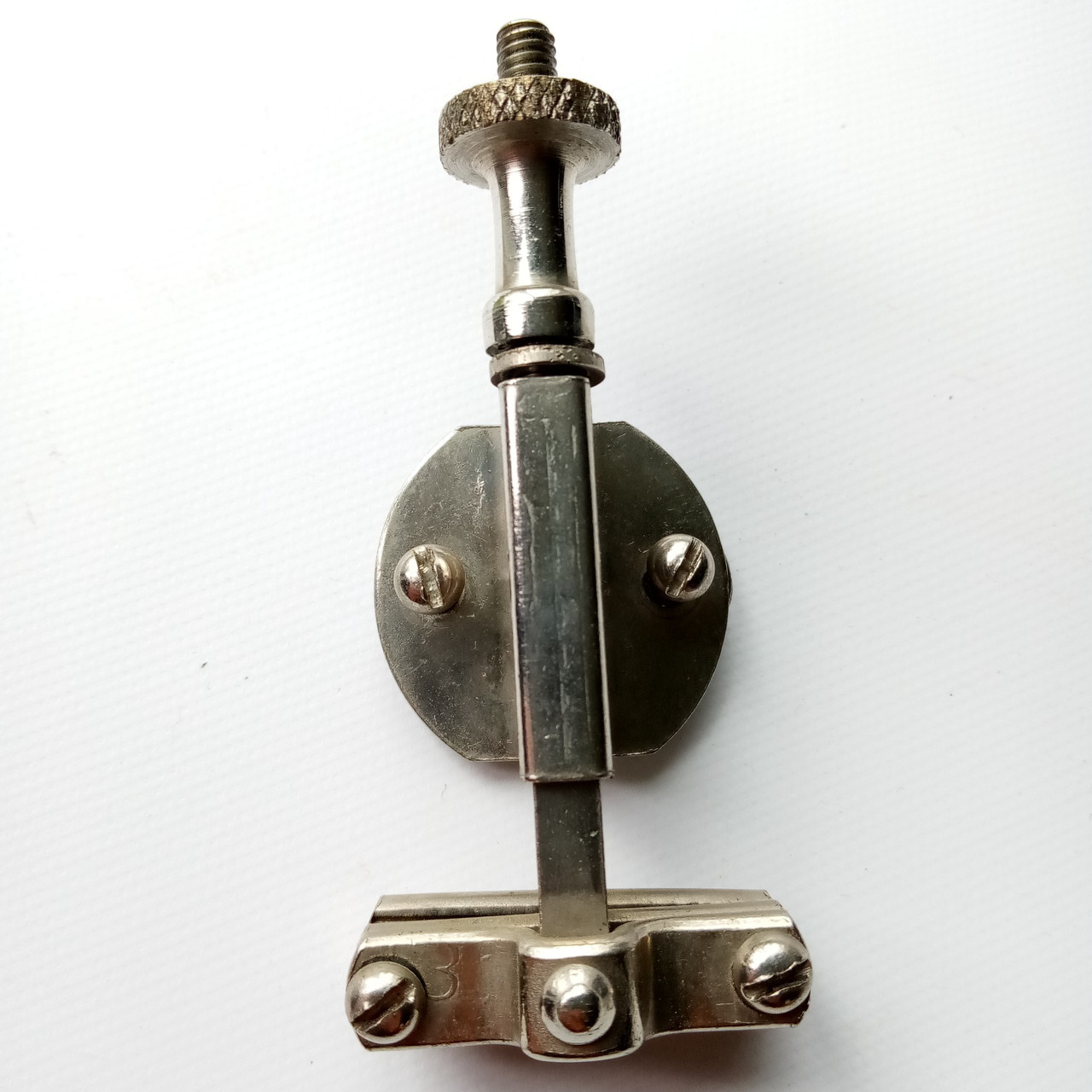
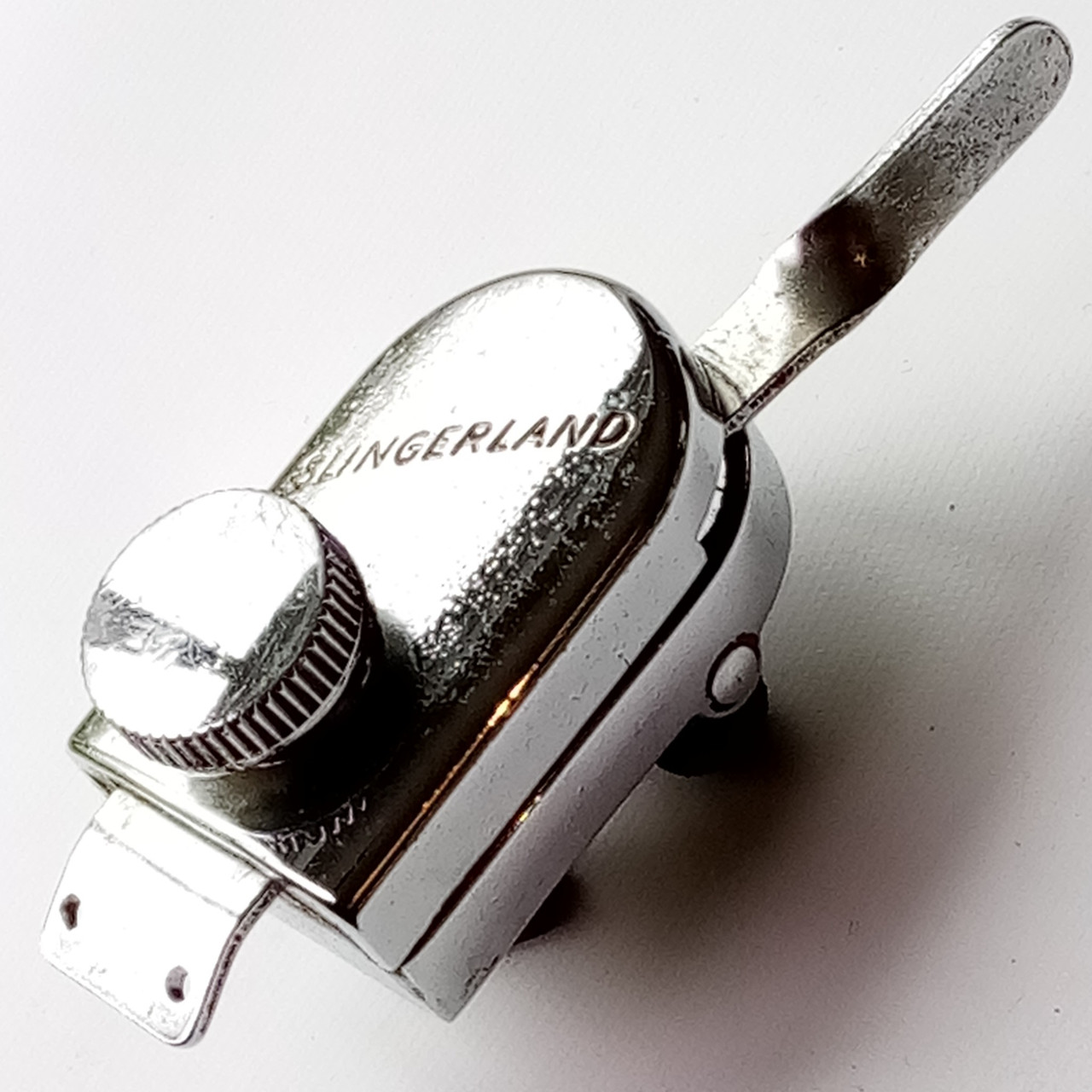
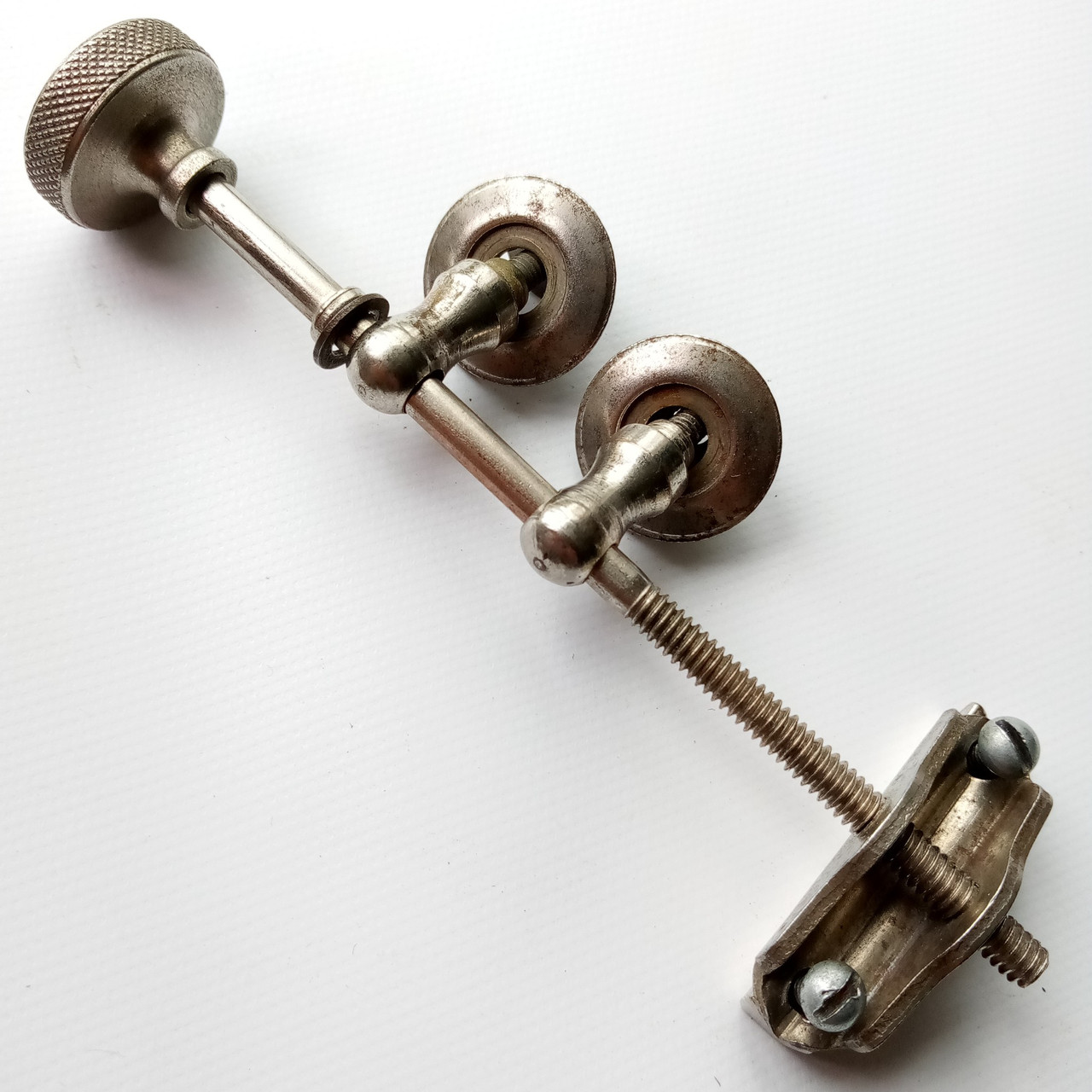
Maker systems to know: Ludwig P83 nickel for fifties and sixties wood snares and P85 and P86 for seventies metal shells; Slingerland Zoomatic and three-point plates for Radio King restorations; the Rogers Dyna-Sonic floating rail with its bridges and end snare guides; Leedy Broadway parallel; Camco Studio; and the complex Premier 2000 mechanisms. Smooth action and complete mounting screws are what you are paying for.
Fitment workflow: measure mounting-hole spacing center to center against the shell drilling with calipers, never against the catalog photo — wallowed holes lie. Confirm the butt mate as a maker-matched pair, check snare beds for even wire contact, and test the action under tension. The tables below are measured from our own catalog rows, with dual-verified hole-spacing and thread-pitch reference alongside.
Hole spacings in this guide's specimens
Measured center-to-center on strainers and throw-offs. Match your shell drilling exactly; same-brand hardware from different eras drills differently.
| Spacing | Availability |
|---|
Thread pitches in this guide's specimens
12-24 fits most vintage American drums; 10-24 fits older and single-tension designs. A 12-24 rod starts in a 10-24 lug then seizes — verify before forcing.
| Pitch (TPI) | Availability |
|---|
Dual-verified reference (this guide's pool)
Rows whose every routed Size, Hole, and TPI field two independent worker legs judged correct — the same dual-verified pool behind the site-wide fitment master. Figures below are restricted to strainers and throw-offs members.
| Spacing | Dual-verified specimens |
|---|---|
| 2 1/8" | 2 dual-verified |
| 4 1/2" | 2 dual-verified |
| 3 3/4" | 1 dual-verified |
| 4 1/4" | 1 dual-verified |
| 8 5/8" | 1 dual-verified |
| Pitch (TPI) | Dual-verified specimens |
|---|
Strainer systems in stock now
P83 and P85 for Ludwig, Zoomatic and three-point for Slingerland, floating rail for Dyna-Sonic — maker and era decide the footprint.
| Maker | Availability |
|---|---|
| Slingerland | 10 in stock |
| Ludwig | 3 in stock |
| Camco | 2 in stock |
| Duplex | 2 in stock |
| Gretsch | 1 in stock |
| Leedy | 1 in stock |
| Lyon & Healy | 1 in stock |
| Premier | 1 in stock |
| Rogers | 1 in stock |
| Walberg & Auge | 1 in stock |
Deep dives: lug hole spacing chart · tension-rod thread pitch guide · strainers by maker and era · butt plates · dictionary: throw-off.
Matching pieces in stock now
In stock as of 2026-11-08. One-of-a-kind stock sells and the list below is a build-time snapshot — if a piece is gone, its page says so and the archive keeps its record.
In stock now
Frequently asked questions
Which strainer does my snare need?
Maker, model, and era together: a P83 in nickel belongs on a fifties to sixties wood Ludwig the way a P85 belongs on a seventies Supraphonic, and a Zoomatic marks the correct Radio King restoration. Match the footprint center to center before ordering.
How do I measure a strainer footprint?
Calipers from the center of one mounting hole to the center of the other, in inches, measured on the shell drilling — not the old part. Photograph the shell against a ruler and compare it to the part before anything is drilled.
Are reproduction strainers acceptable?
As players, often: a correct-footprint reproduction restores function on a gigging drum. For collector value, only an original era-correct strainer with undisturbed grommets earns the premium — buy the restoration the drum deserves.
How do I match a butt to my throw-off?
Maker and era first — strainer and butt from the same maker and era are what collectors expect — then mounting-hole alignment center to center against your shell drilling. Re-drilling for a mismatched butt halves the value it was meant to protect.